



1. Chia Seeds: The Fibre Powerhouse
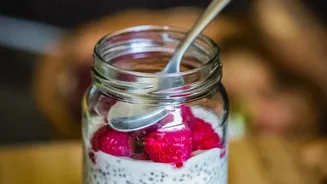
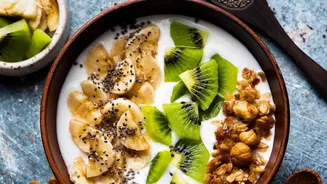
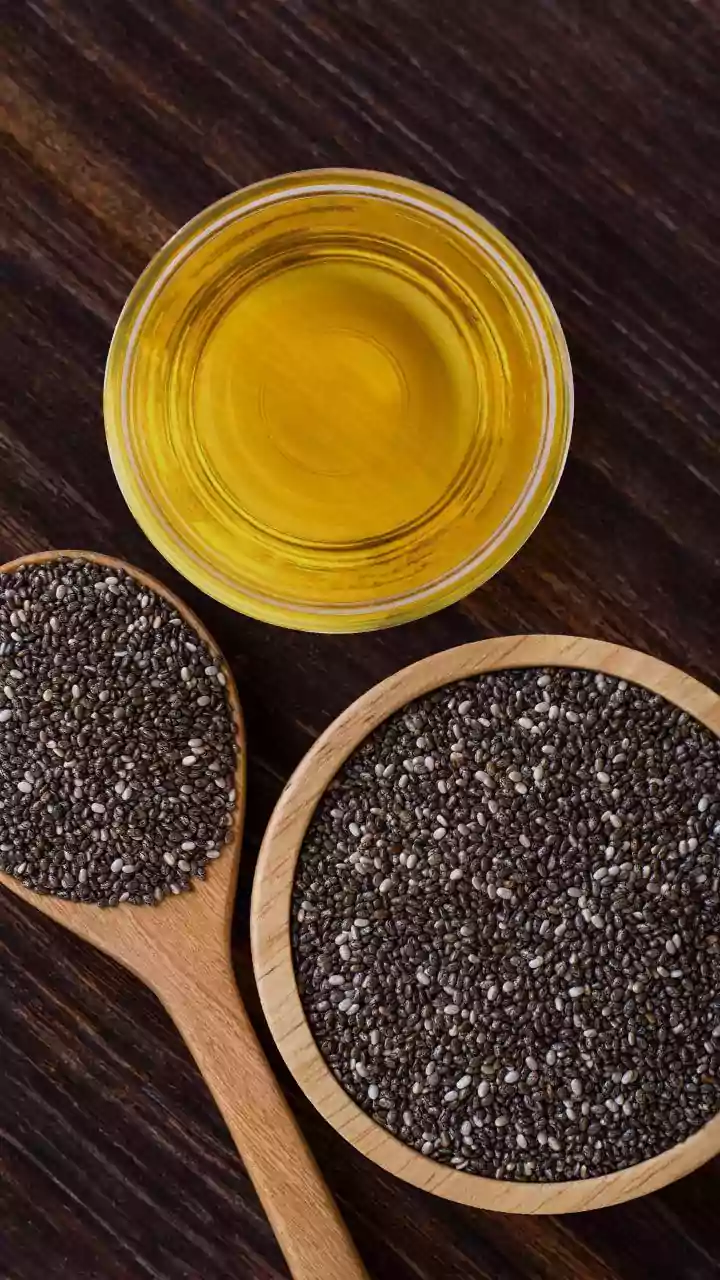
These tiny black seeds are packed with an incredible amount of soluble fibre. When mixed with liquid, like the milk or water in your oatmeal, chia seeds form a gel-like substance. This unique property slows down digestion and the absorption of carbohydrates
into the bloodstream. The result is a more gradual rise in blood sugar instead of a sharp spike after your meal. Furthermore, chia seeds are a great plant-based source of omega-3 fatty acids, which are known to support heart health—a key consideration for individuals with diabetes. They also contain magnesium, a mineral that plays an important role in glucose metabolism and insulin function. Just one to two tablespoons can make a significant difference.
2. Flaxseeds: Rich in Lignans and Omega-3s
Flaxseeds, or 'alsi', are another excellent addition to a diabetes-friendly diet. They are celebrated for their high content of fibre, alpha-linolenic acid (ALA)—a type of omega-3 fatty acid—and beneficial plant compounds called lignans. Studies suggest that the components in flaxseeds can help improve insulin sensitivity, meaning your body can use insulin more effectively. Their high fibre content slows down sugar absorption, helping to maintain stable blood glucose levels. For the best nutritional benefit, it is recommended to consume flaxseeds in their ground form. The tough outer shell of the whole seed can be difficult to digest, but grinding them makes their rich nutrients much more accessible. Sprinkle a tablespoon over your warm oats for a nutty flavour and a powerful health boost.
3. Pumpkin Seeds: A Magnesium and Protein Boost
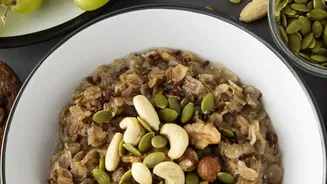
Don't overlook the humble pumpkin seed, also known as 'pepitas'. These green seeds are nutritional gems, particularly for blood sugar control. They are an excellent source of magnesium, a mineral that many people are deficient in and which is crucial for improving insulin sensitivity and regulating blood sugar. Pumpkin seeds also provide a healthy dose of plant-based protein and healthy fats. This combination helps promote a feeling of fullness and slows digestion, preventing the rapid glucose spikes that can occur after a carbohydrate-heavy meal. Roasting them lightly can enhance their flavour before you sprinkle them on your morning oats for a satisfying crunch.
4. Sunflower Seeds: Full of Healthy Fats
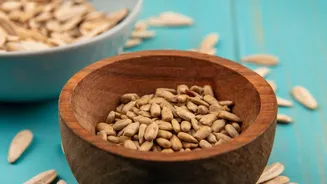
Often enjoyed as a simple snack, sunflower seeds are a smart, low_carbohydrate topping for your oatmeal. They are packed with healthy polyunsaturated fats, protein, and fibre, a trio that works together to slow sugar absorption and stabilize blood sugar levels. Sunflower seeds are also rich in Vitamin E, an antioxidant that helps combat inflammation, which is often a concern for individuals with diabetes. The bioactive compounds in sunflower seeds, such as chlorogenic acid, have been studied for their role in potentially reducing insulin resistance. Opt for unsalted, raw, or dry_roasted sunflower seeds to get the benefits without added sodium. Their mild, nutty taste and firm texture make them a delightful addition to any bowl of oats.
5. Hemp Seeds: The Complete Protein
Hemp seeds, or hemp hearts, are unique because they are a source of complete protein, containing all nine essential amino acids. This high_quality protein, along with healthy fats and fibre, helps to stabilize blood sugar levels by slowing down glucose absorption. This contributes to a feeling of fullness, which can aid in weight management—an important factor in managing type 2 diabetes. The nutrients in hemp seeds, including omega_3 and omega_6 fatty acids, also support metabolic and heart health. With a soft, chewy texture and a flavour reminiscent of pine nuts, hemp seeds blend seamlessly into oatmeal, boosting its nutritional profile without overpowering the taste.