

Bologna, Italy: The True Food Capital
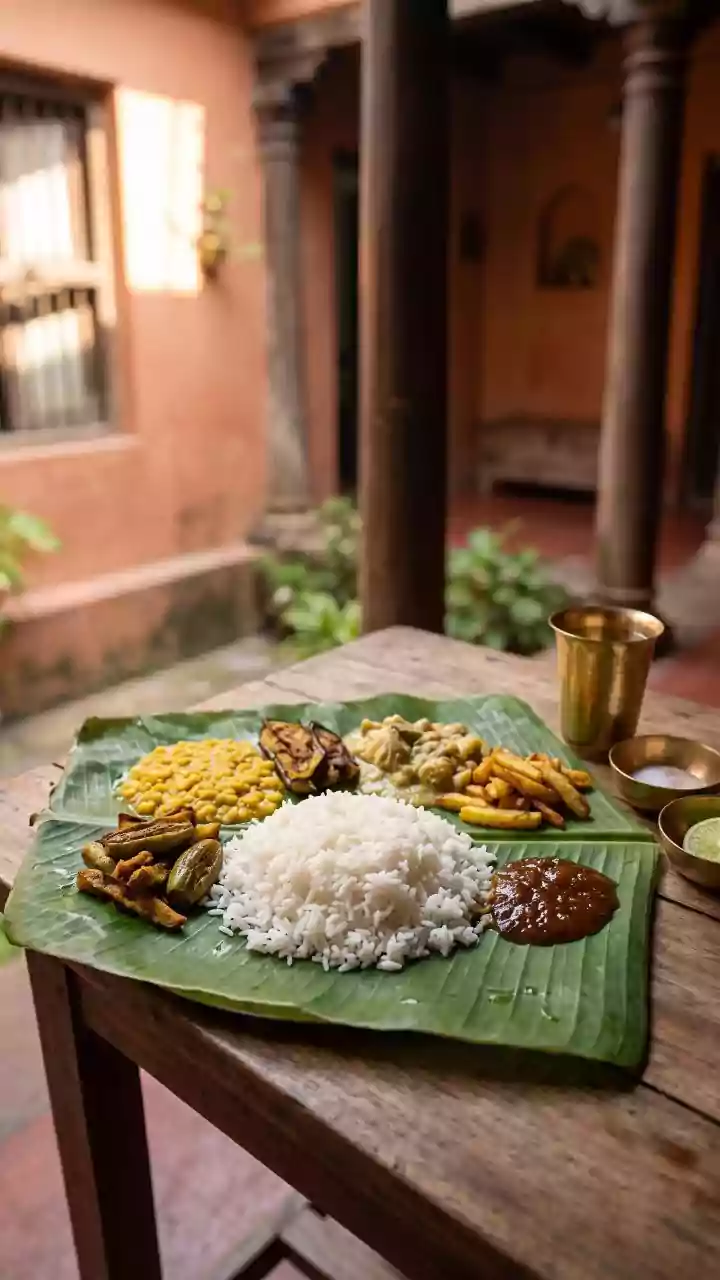
While tourists flock to Rome and Florence, Italians know the country's real culinary heart beats in Bologna. Nicknamed 'La Grassa' (The Fat One), this city in the Emilia-Romagna region is the birthplace of ragù (the real bolognese), mortadella, and sublime
fresh pastas like tagliatelle and tortellini. Beyond the food, Bologna boasts one of Europe's largest and best-preserved medieval centres, characterized by nearly 40 kilometres of UNESCO-recognized porticoes that make strolling its streets a delight in any weather. Climb one of the city's historic towers for a view of the red-roofed landscape, explore the bustling Piazza Maggiore, and discover a city that feels both intellectually vibrant—thanks to its ancient university—and genuinely lived-in, offering a delicious alternative to more crowded destinations.
Ghent, Belgium: Fairytale Canals Without the Crowds
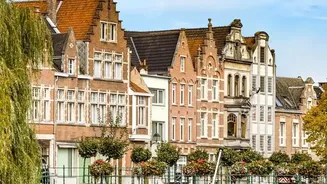
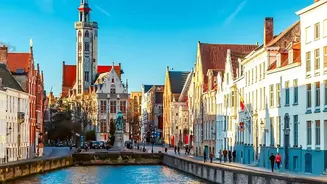
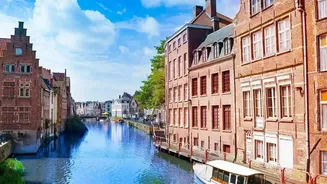
Many travellers head to Bruges for its medieval charm but find themselves in a sea of tourists. Just a short train ride away, Ghent offers a similar fairytale atmosphere with a more dynamic and local vibe. Its historic centre is a stunning tableau of medieval and Renaissance architecture, crisscrossed by canals and overseen by a trio of impressive towers. At its heart is the magnificent Gravensteen, a 12th-century castle complete with a moat, right in the city centre. Wander along the picturesque Graslei and Korenlei quays, admire the Ghent Altarpiece in St. Bavo's Cathedral, and explore the trendy Patershol neighbourhood. With a large student population, the city has a lively, creative energy, a fantastic beer culture, and feels less like a museum and more like a vibrant, breathing city.
Porto, Portugal: Authentic Charm on the Douro
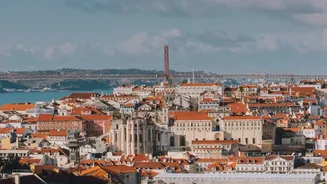
Lisbon gets much of the attention, but Portugal's second city, Porto, offers a uniquely compelling experience. Set on the steep banks of the Douro River, its colourful Ribeira district is a UNESCO World Heritage site, a maze of narrow cobbled streets, and terracotta-roofed buildings. Walk across the iconic Dom Luís I Bridge for stunning city views and to visit the famous port wine cellars of Vila Nova de Gaia for a tasting. Porto feels more intimate and perhaps more authentic than the capital; it’s a city to be explored on foot, from the azulejo-tiled São Bento train station to the bustling Bolhão Market and the independent shops of Rua de Flores. It’s a city of contrasts, where historic grandeur meets a thriving modern creative scene.
Seville, Spain: The Soul of Andalusia
While Madrid and Barcelona are major hubs, Seville provides a passionate, distinctly Andalusian experience. As the capital of the region, it's the heart of flamenco, tapas, and sun-drenched plazas. The city is a feast for the eyes, from the intricate Mudéjar architecture of the Royal Alcázar palace to the sheer scale of the Plaza de España and the Gothic majesty of the world's largest cathedral. Get lost in the charming, labyrinthine streets of the Santa Cruz district, catch a passionate flamenco show in its birthplace, Triana, and enjoy the city's vibrant nightlife. Seville is walkable, historic, and pulses with a life and warmth that makes it an unforgettable alternative.
Ljubljana, Slovenia: Europe's Green Gem
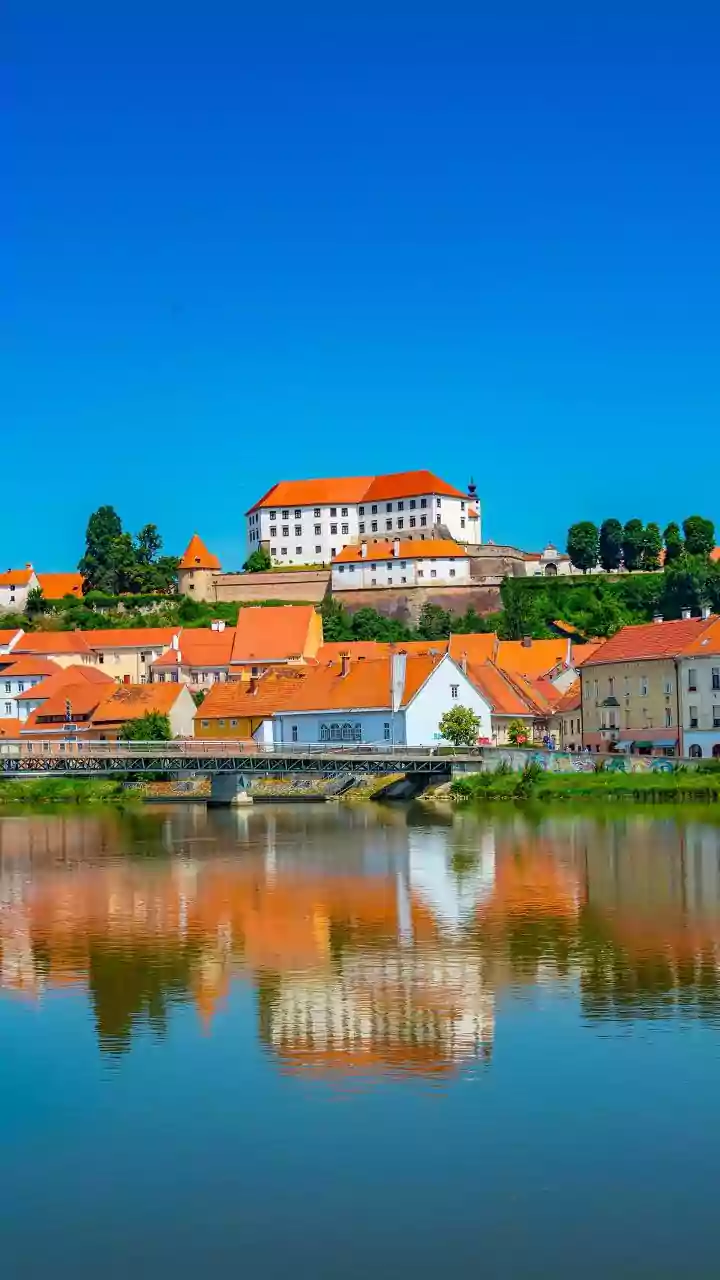
Often overlooked, Slovenia's capital is a pocket-sized treasure and one of Europe's greenest and most liveable cities. The Ljubljanica River flows through its heart, its banks lined with bustling cafes and crossed by picturesque bridges like the Triple Bridge and the Dragon Bridge. The entire city centre is a pedestrian zone, making it a joy to explore on foot. A medieval castle perched on a hill overlooks the charming old town below, offering panoramic views. With a vibrant outdoor market, a relaxed atmosphere, and its proximity to natural wonders like Lake Bled, Ljubljana serves as the perfect introduction to a country that prioritizes nature and offers a refreshingly tranquil urban experience.