

The Festive Bengali 'Khichuri'
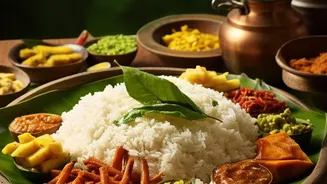
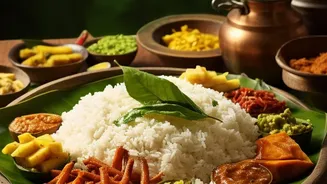
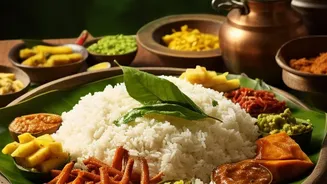
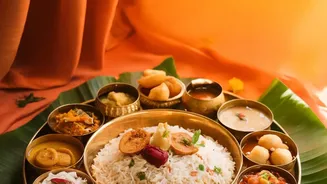
In West Bengal, khichdi, or 'khichuri', is far from bland; it's a dish steeped in celebration, especially during Durga Puja. The magic lies in its unique ingredients and preparation. It starts with fragrant, short-grained gobindobhog rice and sona moong
dal, which is dry-roasted until it releases a nutty aroma before being cooked. This niramish (no onion, no garlic) preparation is often studded with cauliflower florets and green peas. The flavour is a delightful balance of sweet and savoury, thanks to a pinch of sugar, ginger, and a tempering of ghee, cumin seeds, bay leaves, and dried red chillies. It's a rich, porridge-like dish that’s pure comfort and joy, often served as 'bhog' or a divine offering.
The Robust Rajasthani Bajra Khichdi
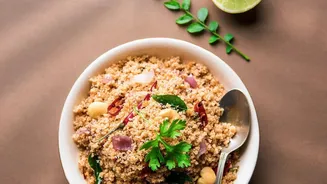
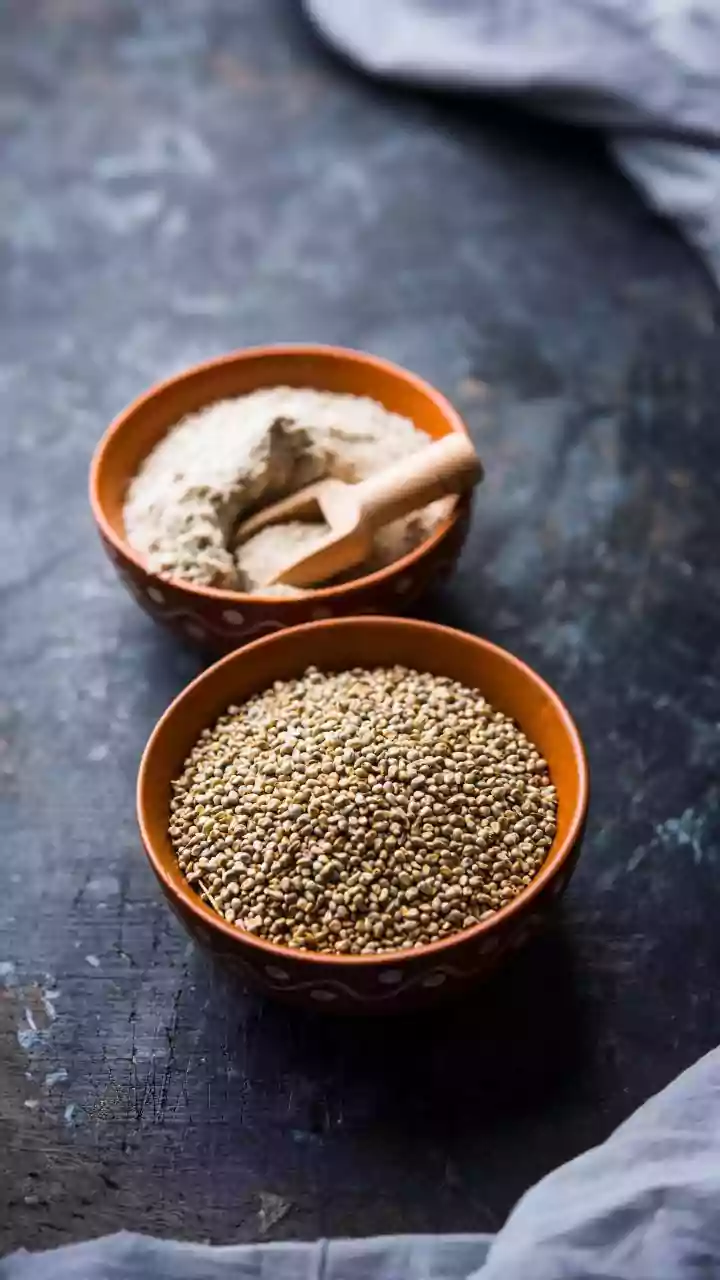
Moving to the arid lands of Rajasthan, rice takes a backseat to a more resilient grain: bajra, or pearl millet. Bajra khichdi is a rustic, hearty dish perfect for winter, known to provide warmth and sustained energy. The bajra is often soaked and coarsely ground before being cooked with moong dal until soft and creamy. The flavour is earthy and nutty, a world away from its rice-based cousins. While some versions are simple, relying on just cumin and asafoetida (hing) for flavour, they are always served with a generous dollop of ghee, which adds richness and a creamy texture. It is typically enjoyed with a side of garlic chutney, pickles, or plain curd.
The Comforting Gujarati Masala Khichdi
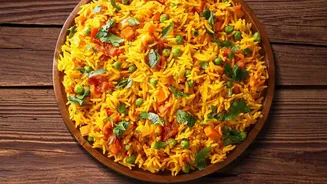
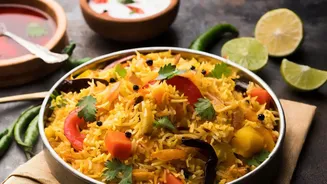
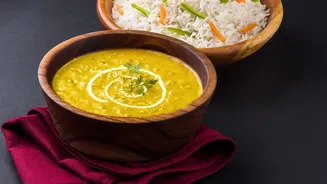
In Gujarat, khichdi is the ultimate comfort food, but it's rarely plain. The most popular version is a 'vaghareli' or tempered masala khichdi. This version is often made with a mix of lentils like toor dal and moong dal, cooked with rice and a medley of vegetables like potatoes, peas, carrots, and eggplant. The flavour comes from a tempering of ghee with mustard seeds, cumin seeds, cloves, and curry leaves. Unlike its simpler counterparts, this khichdi is vibrantly spiced with turmeric, red chilli powder, and coriander powder. It's almost always served with a bowl of tangy and slightly sweet Gujarati kadhi, a yogurt-based curry that perfectly complements the savoury khichdi.
The Savory South Indian 'Pongal'
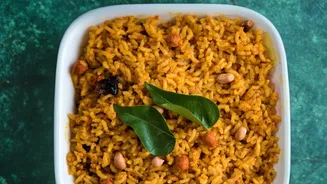
Travel south, and you'll find khichdi's close cousin, Ven Pongal, especially popular in Tamil Nadu. While made from the same base of rice and moong dal, the preparation method sets it apart; the rice and dal are cooked first, and the tempering is added at the end. This tempering is what gives Pongal its distinctive, aromatic character. A generous amount of ghee is heated with whole black peppercorns, cumin seeds, grated ginger, and curry leaves, creating a pungent and flavourful finish. Often garnished with fried cashews, Ven Pongal is a beloved breakfast dish and a common offering in temples during festivals.
The Unique Maharashtrian Sabudana Khichdi
Perhaps the most unique variation, Maharashtrian Sabudana Khichdi contains no rice or lentils at all. Instead, its star ingredient is sabudana, or tapioca pearls. This dish is a staple during Hindu fasting (vrat) periods like Navratri because sabudana is high in carbohydrates and provides a quick energy boost. The key to a perfect, non-sticky sabudana khichdi lies in soaking the pearls correctly until they are soft but still hold their shape. They are then tossed with boiled potatoes, roasted and crushed peanuts, green chillies, and cumin seeds. The result is a delightfully chewy, savoury, and slightly sweet dish, finished with a squeeze of lemon juice and fresh coriander.
The Complex Karnataka 'Bisi Bele Bath'
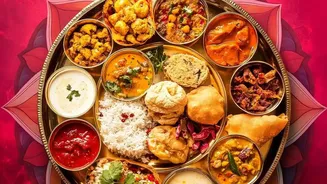
While technically a dish in its own right, Karnataka's Bisi Bele Bath deserves a mention as it elevates the one-pot rice-and-lentil concept to a gourmet level. The name translates to 'hot lentil rice dish'. It's made with toor dal, rice, a variety of vegetables, and tamarind for a signature tangy taste. What truly defines it is the special Bisi Bele Bath powder, a complex and aromatic blend of over 30 spices, including coriander seeds, chana dal, and cinnamon. Served piping hot with a spoonful of ghee and a side of crispy 'boondi' or chips, it's a flavour-packed meal that is far more intricate and spicier than a typical khichdi.