


A Reaction Against the Identical
There is a growing desire among urban homeowners to move beyond sleek, minimalist interiors that, while clean, can sometimes lack warmth and personality. The perfectly finished, factory-made object is losing its allure to something more meaningful: the
unique, the imperfect, and the authentic. This turn towards handcrafted details is a conscious choice to create a home that reflects a personal identity rather than a catalogue image. It's about curation over consumption, choosing pieces that tell a story and resonate on a deeper level. Instead of a home that could be anywhere in the world, the focus is on creating a space that feels distinctly personal and culturally rooted.
The Beauty of the Human Touch
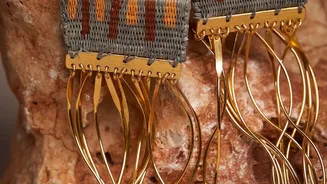
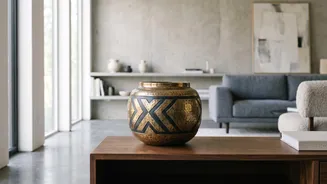
Authentic character comes from individuality, and nothing is more individual than an object made by hand. Unlike machine-made items where every unit is identical, a handcrafted piece carries the subtle marks of its creator. These slight variations in texture, colour, or form are not flaws; they are the evidence of human skill and patience. Whether it's the gentle asymmetry of a hand-thrown ceramic vase, the intricate carving on a wooden block, or the unique patina on a brass sculpture, these details bring a sense of history and soul into a modern setting. This 'imperfect' beauty provides a tactile and visual richness that contrasts wonderfully with the clean lines of contemporary architecture and furniture.
Weaving a Connection to Heritage
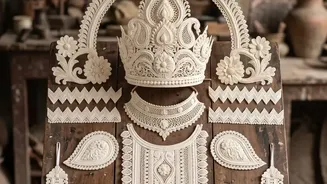
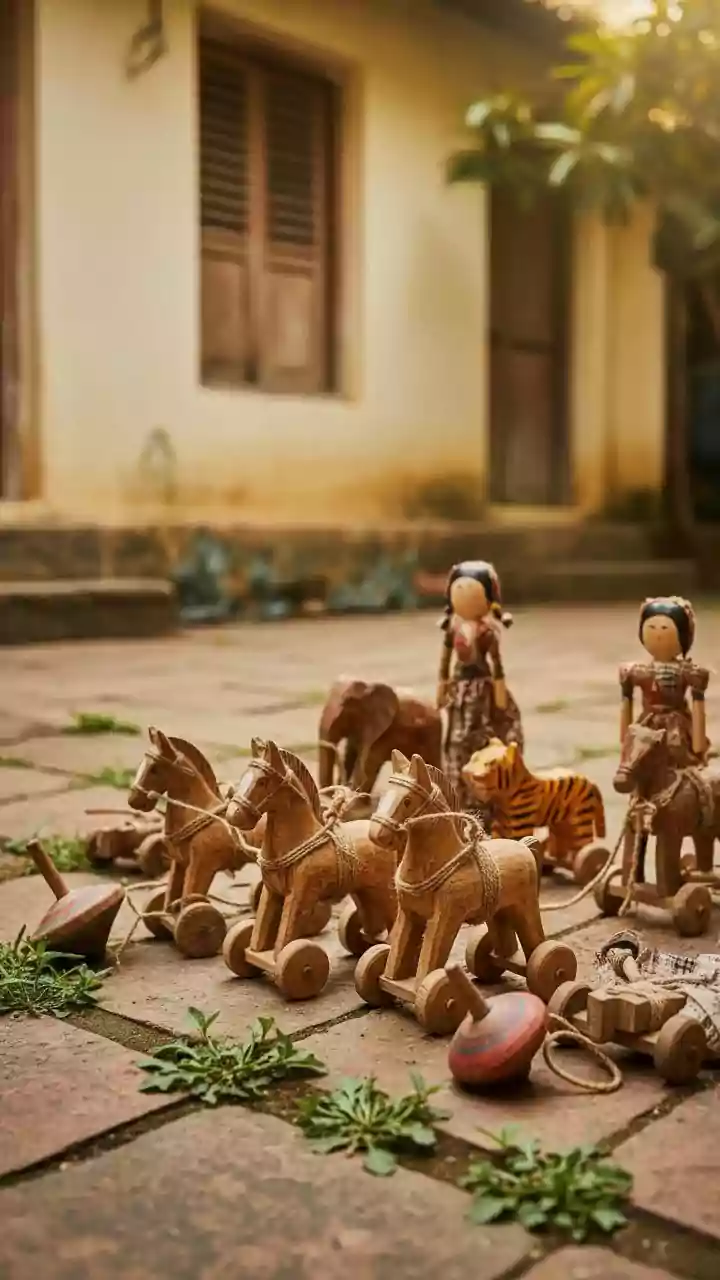
For many urban Indians, incorporating traditional crafts is a way to reconnect with their cultural roots in a tangible, everyday manner. A home can become a canvas for celebrating India's vast repository of artisanal skills. Think of cushion covers with vibrant Ajrakh block prints, a wooden 'jharokha' frame used as a mirror, or a collection of Jaipur blue pottery on a modern shelf. These pieces are more than just decoration; they are fragments of a region's history and artistry brought into a contemporary context. By placing a Bidriware box on a minimalist console or hanging a Pattachitra scroll on a neutral wall, the home becomes a space of quiet dialogue between the past and the present.
The Rise of Conscious and Sustainable Choices
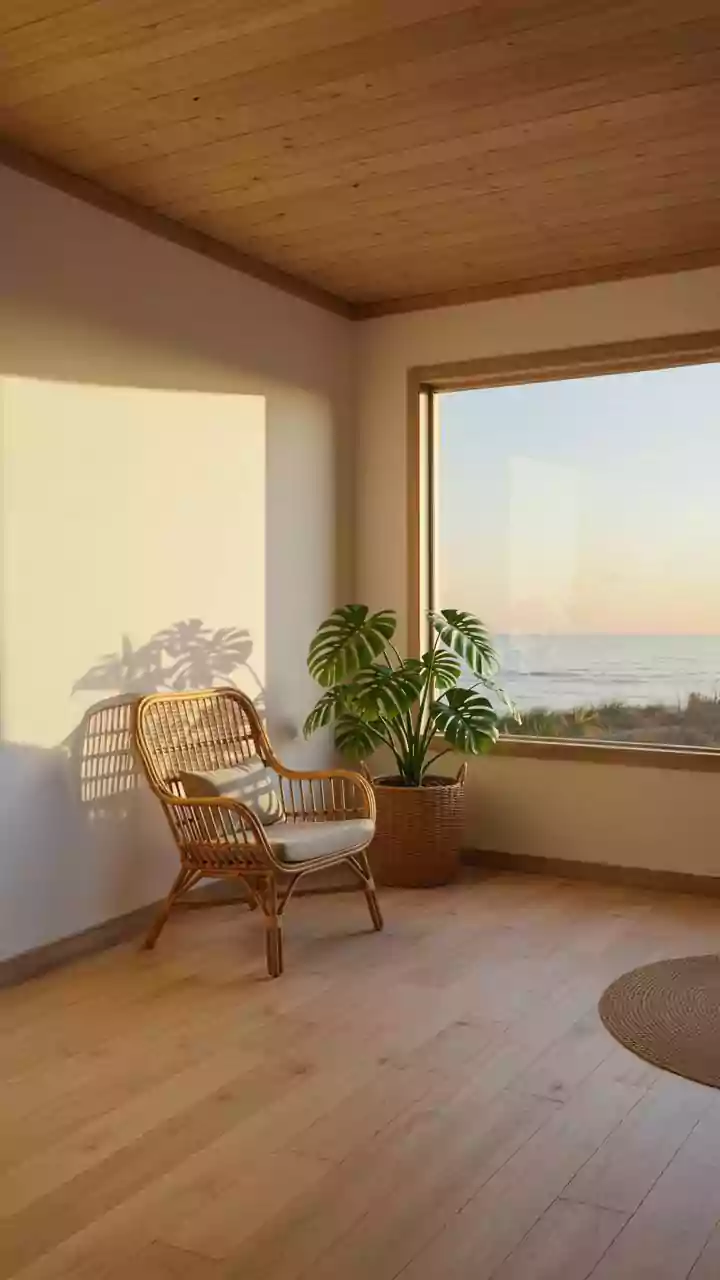
The trend towards handcrafted goods is also deeply connected to a growing consciousness about sustainability and ethical consumption. Choosing a handmade item is often a vote for eco-friendly practices, as artisans frequently use natural, locally sourced materials like terracotta, cane, jute, and reclaimed wood. More importantly, it is a direct act of patronage that supports skilled artisan communities, preserves generational knowledge, and provides a sustainable livelihood. Knowing that a purchase helps keep a craft tradition alive adds a layer of meaning and value that mass-produced items cannot offer. This makes the choice to buy handcrafted not just an aesthetic one, but an ethical one too.
Starting Your Handcrafted Journey
Incorporating handcrafted character doesn't require a complete design overhaul. The key is balance and intentionality. Start small with a few statement pieces that have room to breathe and be appreciated. A single, beautifully crafted brass planter can transform a corner, while a handwoven rug can anchor a living room. Mix textures by pairing the raw finish of terracotta with the smoothness of a marble tabletop, or the rich weave of a Kantha quilt with a sleek leather sofa. The most successful modern Indian interiors are those that blend the two worlds, using neutral foundations to let a few carefully chosen, story-rich handcrafted pieces truly shine.