



Looking for a simple way to boost your heart health without leaving the house? At-home walking is a powerful, low-impact cardio option that's perfect for beginners. Here’s how to get started and make every step count, no gym membership needed.
The Underrated Power of Walking
Walking
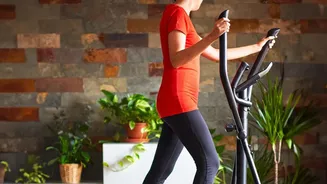
is often overlooked as a serious form of exercise, but its benefits are immense. Regular brisk walking is a fantastic low-impact cardio workout, meaning it's gentle on your joints while still strengthening your heart. Studies show that consistent walking helps lower blood pressure, reduce the risk of heart disease and type 2 diabetes, and strengthen your immune system. It also has significant mental health perks, including improved mood and better sleep. Choosing to walk indoors offers a safe, convenient, and climate-controlled environment, removing common barriers like bad weather or icy footpaths. This makes it easier to build a consistent routine you can stick with year-round.
Getting Started: Your First Indoor Walk
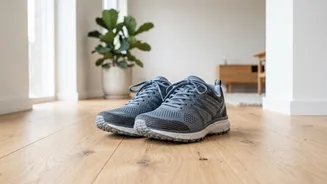
You don't need any special equipment to begin—just a pair of supportive shoes and a little bit of space. If you're new to exercise, start small. Begin with 10-15 minute sessions and gradually increase your time as you feel more comfortable. The goal is to eventually reach at least 30 minutes of moderate-intensity activity most days of the week. You can simply march in place while watching TV or create a small circuit by walking through connected rooms or down a hallway. Focus on your form: keep your chest lifted, core engaged, and swing your arms naturally to increase intensity. The most important thing is to just begin; even short bursts of activity throughout the day add up.
Level Up: How to Make It a Workout
Walking in place can be more dynamic than it sounds. Once you're comfortable with the basics, introduce variations to challenge your body and prevent boredom. Try lifting your knees high towards your chest (high knees) or kicking your heels back toward your glutes (butt kicks). Side-to-side steps and grapevine movements engage different muscles. You can also incorporate your upper body by adding arm circles, punches, or overhead presses. Another effective method is interval training: alternate between one minute of moderate-paced walking and 30 seconds of fast-paced marching or jogging in place. For guided routines, YouTube offers thousands of free indoor walking videos from instructors like Leslie Sansone or Rick Bhullar, who add music and choreography to make the workout fly by.
Essential Gear (or Lack Thereof)
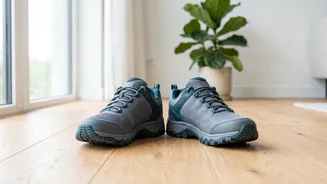
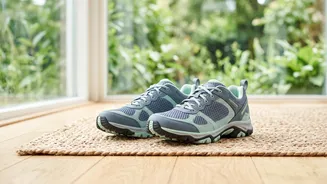
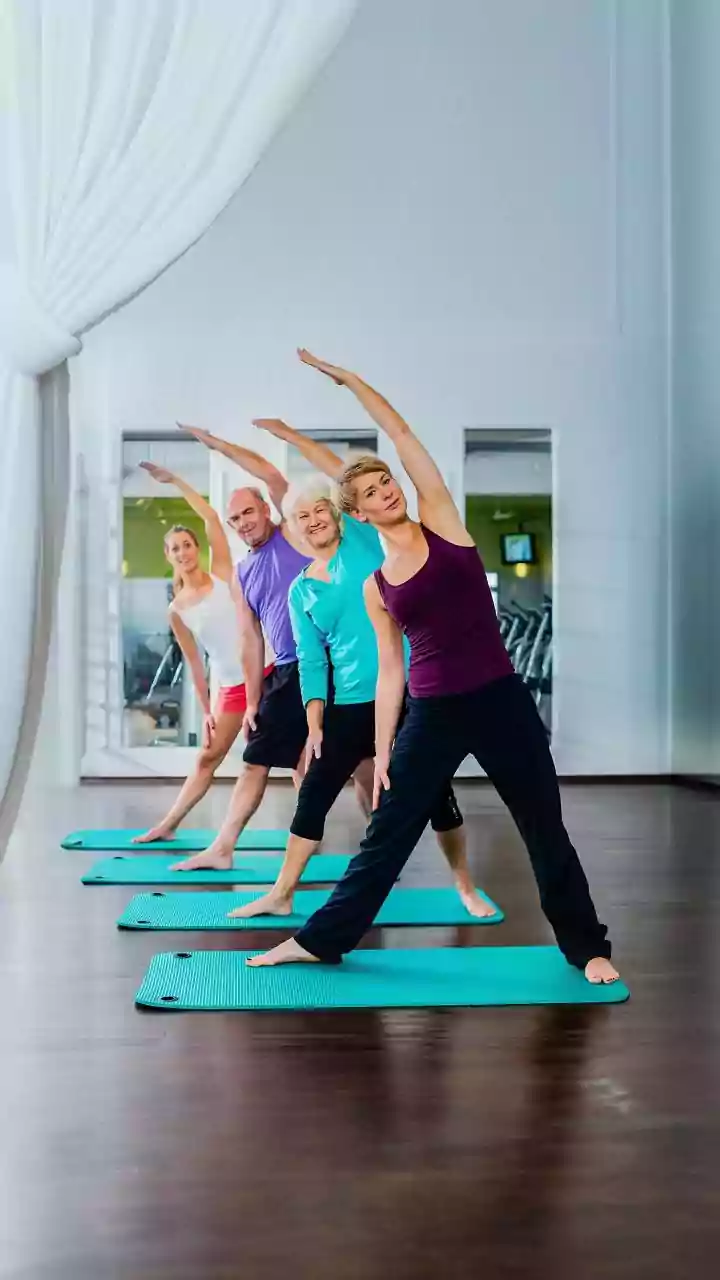
One of the biggest advantages of an at home walking workout is the minimal equipment requirement. The only true essential is a good pair of walking shoes that provide proper support. While not necessary, you can enhance your workout with a few simple additions. Light hand weights or wrist weights can be used to increase calorie burn and add an upper body strength component. A fitness tracker can help you monitor your step count, heart rate, and progress, which many find motivating. If you're following along with online videos, a non slip mat can provide cushioning and a dedicated space for your workout. But remember, the beauty of this exercise is its simplicity—you can get a fantastic workout with just your own body weight.
Making Your New Habit Stick
Consistency is the key to seeing results. To stay motivated, try 'habit stacking' by linking your walk to an existing daily routine, like doing it right before your morning shower or while listening to your favourite daily podcast. Create an energizing music playlist that makes you want to move. Setting small, achievable goals, like adding one minute to your walk each day, can build momentum. If you thrive on accountability, find a friend to join you virtually or join an online walking group. Don't be afraid to mix things up—try a new YouTube workout, walk around your home in a different pattern, or even walk during TV commercial breaks. The more enjoyable you make it, the more likely you are to continue.