







The Big Picture: More Than Just Dead Zones
For years, satellite phones were a niche product for emergencies or extreme remote work. Starlink changed that by making satellite internet mainstream. Now, SpaceX is taking the next logical step with Starlink Mobile. The core idea is to create a single,
seamless network where your standard smartphone can connect to a terrestrial cell tower when available, and then automatically switch to a satellite when you move out of range. To achieve this, SpaceX recently announced a deal to acquire low-band mobile spectrum—the same kind of airwaves traditional carriers use for broad coverage. This isn't just about filling in a few dead zones on a map; it's a vision for a hybrid network that offers reliable connectivity everywhere, from dense cities to the most isolated rural areas.
How the Technology Works
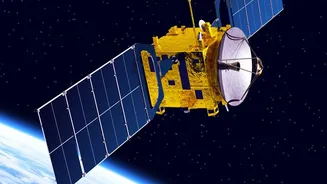
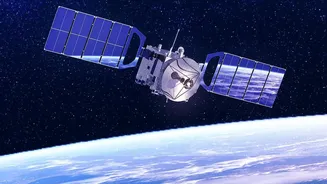
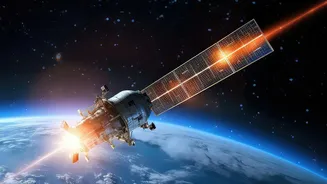
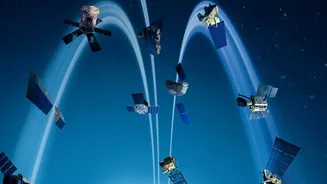
The plan involves two key components working in concert: a massive satellite constellation and a new terrestrial network. The satellites, specifically the second-generation (Gen2) models, are essentially flying cell towers. The US Federal Communications Commission (FCC) recently approved the deployment of 15,000 of these satellites, which are designed to connect directly to standard LTE phones without any special hardware. Your phone wouldn't know the difference. When you lose ground signal, it would simply find the next available 'tower' in the sky. The second piece is the ground network. The low-band 800 MHz spectrum SpaceX plans to acquire is crucial because its signals are excellent at penetrating buildings and other obstacles—a traditional weakness for satellite signals. By building out ground infrastructure that uses this spectrum, Starlink can ensure strong indoor coverage, making its service a true competitor to established carriers.
A New Kind of Network
What SpaceX is building is a vertically integrated system. It aims to own the satellites, the ground stations, and the spectrum. This is a departure from earlier satellite-to-phone efforts that relied on partnerships, like the one between Starlink and T-Mobile in the US. By acquiring its own terrestrial spectrum, SpaceX can control the entire user experience. The vision is a future where your device intelligently switches between ground and space networks to maintain the best possible connection at all times. This hybrid architecture could redefine network resilience, providing a crucial communication backbone during natural disasters when ground towers are often damaged or offline.
Hurdles on the Road Ahead
Despite the ambitious vision, the path forward has significant challenges. Firstly, the spectrum acquisition deal still requires final regulatory approval. Secondly, building a nationwide terrestrial network from scratch is a monumental and expensive task. One telecom executive noted that the US wireless industry has invested over $250 billion in infrastructure since 2018, highlighting the scale of the undertaking SpaceX faces. While the company plans to use its new spectrum to broadcast signals from ground stations, it will take considerable time and capital to build out a network dense enough to rival incumbents like AT&T and Verizon. Some analysts suggest the spectrum purchase could also be a strategic move to gain leverage for a more favourable partnership deal with an existing carrier.
What It Means for India
While SpaceX's initial mobile carrier push is focused on the US, the implications for India are significant. The country's telecom regulator, TRAI, is already exploring frameworks for Direct-to-Device (D2D) services to enhance connectivity in remote and underserved areas. Starlink has been 'ready to serve India' for some time, having already built 20 ground gateway sites and secured preliminary licenses. However, a commercial launch is pending final government and security clearances. The debate in India involves national security concerns, with some policy groups calling for strict controls over foreign satellite operators and advocating for an indigenous alternative. Should Starlink Mobile's hybrid model prove successful elsewhere, it could provide a powerful blueprint for how India can achieve 100% connectivity, blending the reach of satellites with the capacity of terrestrial networks to finally connect its most challenging last-mile regions.