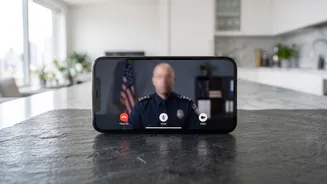










An unexpected video call flashes on your screen. The person on the other side is in a police uniform, telling you you're under 'digital arrest'. It’s a scam designed to create panic, and the worst thing you can do is pay.
Understanding the ‘Digital Arrest’ Scam
This form of cyber fraud involves
criminals impersonating law enforcement officials from agencies like the local police, CBI, or Enforcement Directorate. They call victims, often on video via platforms like WhatsApp or Skype, and make false accusations. These might include claims that your Aadhaar number or bank account has been linked to a crime, such as drug trafficking or money laundering. To make the threat feel real, they use fake ID cards, forged official documents, and may even appear in a uniform from a staged room designed to look like a police station. The goal is to scare you into believing you are in serious legal trouble.
The Psychology of Fear and Isolation
The scam is effective because it exploits our natural respect for and fear of authority. Scammers create a sense of extreme urgency and panic, insisting that immediate action is required to avoid arrest. A key tactic is 'digital confinement', where they order you to stay on the video call and forbid you from speaking to anyone, including family or lawyers. This isolation is deliberate; it prevents you from thinking clearly or seeking a second opinion from someone who might recognise the scam. By controlling the narrative and inducing fear, they break down a victim's ability to think rationally.
Why Paying Is Always the Wrong Move
When faced with such intense pressure, paying the demanded 'fine' or 'bail money' might seem like the quickest way out. However, official sources and victim experiences show this is a critical mistake. Paying does not guarantee the threats will stop or that compromising material will be deleted. In fact, it often leads to more demands. When you pay, you signal to the criminals that you are a willing and vulnerable target, encouraging them to increase their extortion efforts. Furthermore, the money is usually transferred through a complex web of accounts, making it nearly impossible to recover. You are not clearing your name; you are funding a criminal enterprise.
What Official Agencies Say
Indian law enforcement and cybercrime agencies have repeatedly issued advisories stating that no legitimate authority will ever conduct an arrest over a video call. The concept of a 'digital arrest' has no legal basis in India; it is purely a technique used by fraudsters for extortion. Police, the CBI, ED, and judges do not demand payments, fines, or 'verification fees' over the phone, through gift cards, cryptocurrency, or direct bank transfers to resolve a criminal case. All official procedures for investigation and arrest follow a formal, documented process that does not involve surprise video calls and demands for money.
Your Action Plan: What to Do Instead
If you receive such a call, the most important first step is to stay calm and not panic. Do not engage with the caller, do not argue, and absolutely do not share any personal information or transfer any money. Immediately disconnect the call. Preserve any evidence you can, such as the phone number or screenshots of the call and any messages. Then, report the incident immediately. You can call the National Cyber Crime Helpline at 1930 or file a complaint online at the National Cyber Crime Reporting Portal (www.cybercrime.gov.in). Reporting the crime is the correct and most effective way to handle the situation.