






The Unsung Hero: What Is Fibre?
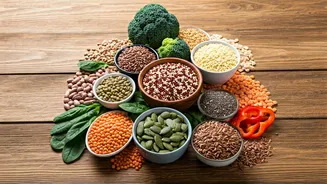
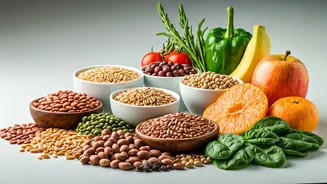
Dietary fibre is a type of carbohydrate that our bodies cannot digest. Found mainly in plant-based foods like fruits, vegetables, whole grains, and legumes, it plays a crucial role in our overall health. There are two types: soluble fibre, which dissolves
in water to form a gel-like substance, and insoluble fibre, which adds bulk to stool. Soluble fibre is known for helping to lower cholesterol and stabilise blood sugar, while insoluble fibre is essential for preventing constipation and maintaining regular bowel movements. A healthy diet rich in both types of fibre is linked to a lower risk of heart disease, type 2 diabetes, and certain types of cancer.
Dal's Impressive Fibre Scorecard
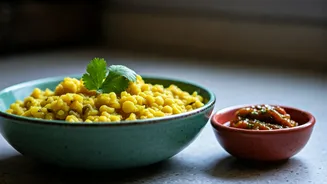
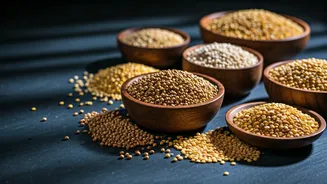
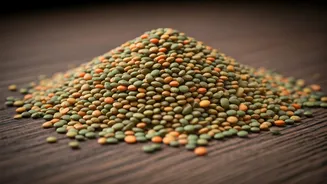
So, how does our beloved dal measure up? The answer is: impressively. Lentils are one of the best sources of dietary fibre. For instance, a 100-gram serving of uncooked moong dal contains about 16 grams of fibre. Toor dal offers around 15 grams, while chana dal provides about 12 grams. Considering that the Indian Council of Medical Research (ICMR) recommends an intake of about 25 to 40 grams of fibre per day for adults, a single bowl of dal can make a significant contribution to meeting this target. Unfortunately, studies show that many Indians consume only about 15 grams of fibre daily, falling well short of the recommendation.
Beyond Better Digestion
The benefits of dal's high fibre content extend far beyond just digestive health. Because fibre-rich foods are more filling, they help you feel full for longer, which can aid in weight management by reducing the tendency to overeat. The soluble fibre in dals slows down the absorption of sugar into the bloodstream, preventing sharp spikes and helping to regulate blood sugar levels, which is particularly beneficial for individuals with diabetes. Furthermore, this same soluble fibre can help reduce LDL or "bad" cholesterol levels, supporting overall heart health by lowering blood pressure and inflammation.
Making Every Meal Fibre-Smarter
Incorporating more dal into your diet doesn't have to be monotonous. While a classic dal tadka with rice is a timeless combination, there are countless creative ways to enjoy this versatile food. Think about starting your day with a savoury moong dal cheela or a hearty dal soup for lunch. You can add cooked dals to your salads for a protein and fibre boost, or mash them into patties to make delicious and healthy burgers. Mixed dal preparations, combining two or three different types of lentils, not only offer a complex flavour but also a diverse range of nutrients. Even snacks can get a fibre upgrade with options like roasted chana or a nutritious sprout salad.