



That frustrating, stuffy-headed feeling of nasal congestion is a near-universal experience. Before reaching for promises of instant cures, let's explore sensible home remedies that focus on comfort and gentle, effective relief.
Embrace the Power of Steam
One of the most traditional
and effective methods for easing congestion is steam inhalation. Warm, moist air helps to hydrate dry nasal passages and, most importantly, loosen and thin stubborn mucus, making it easier to clear. You don't need fancy equipment. Taking a hot shower and breathing in the water vapour is a simple way to get relief. Alternatively, you can use the classic bowl method: carefully pour hot (not boiling) water into a large bowl, drape a towel over your head to form a tent, and inhale the steam for 5 to 10 minutes. Keep your face a safe distance from the water to avoid burns. While some people add a few drops of essential oils like eucalyptus, it's the steam itself that does most of the heavy lifting.
Utilise a Saline Solution
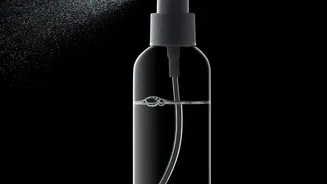
Saline sprays and rinses are a go-to for many because they are drug-free and work by physically flushing the nasal passages. A simple saline spray, available over-the-counter, adds moisture to dry nasal tissues and helps break up any crusty mucus. This can make it much easier to blow your nose effectively. For a more thorough cleansing, nasal irrigation systems like neti pots or squeeze bottles can be used. These devices flush out mucus, as well as allergens like dust and pollen that might be contributing to the inflammation. The key to safety is using the right water—never use tap water. Always use distilled, sterile, or previously boiled and cooled water to prepare the saline solution to avoid the risk of serious infection.
Stay Hydrated and Humidify
What you drink and the air you breathe play a significant role in managing congestion. Staying well-hydrated by drinking plenty of fluids like water, juice, or warm broths helps to thin mucus from the inside out. Warm beverages can be particularly soothing. At the same time, adding moisture to your environment can prevent your nasal passages from drying out, especially in heated or air-conditioned rooms. A cool-mist humidifier is often recommended as it can soothe irritated tissues and reduce swelling in the nose. The US Food and Drug Administration (FDA) specifically recommends cool-mist humidifiers over warm-mist versions, which can sometimes cause nasal passages to swell further. Just be sure to clean the humidifier regularly according to the manufacturer's instructions to prevent the growth of mould or bacteria.
Find Relief in Your Position
Lying flat often makes congestion feel worse because gravity is no longer helping your sinuses to drain. Furthermore, blood flow to the head increases when you're horizontal, which can cause nasal tissues to swell more. To counter this, try sleeping with your head and shoulders elevated. Propping yourself up on a couple of pillows or using a wedge-shaped pillow can encourage mucus to drain, reducing pressure and helping you breathe more easily through the night. If you find one nostril is more blocked than the other, try sleeping on your side with the congested side facing up.
A Word on Other Comfort Measures
Simple comforts can make a difference when you're feeling miserable. Applying a warm, damp washcloth to your nose, cheeks, and forehead can help ease facial pain and sinus pressure. The warmth can help increase circulation and provide temporary relief. While many people turn to essential oils like eucalyptus for its decongestant properties, they should be used with caution. Eucalyptus oil should always be diluted and never ingested. Inhaling its aroma from a diffuser or a few drops in a steam inhalation is the most common use, but it can be irritating to some, and should not be used on the faces of children.