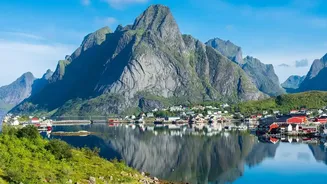



1. The Lofoten Islands
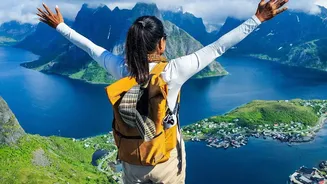
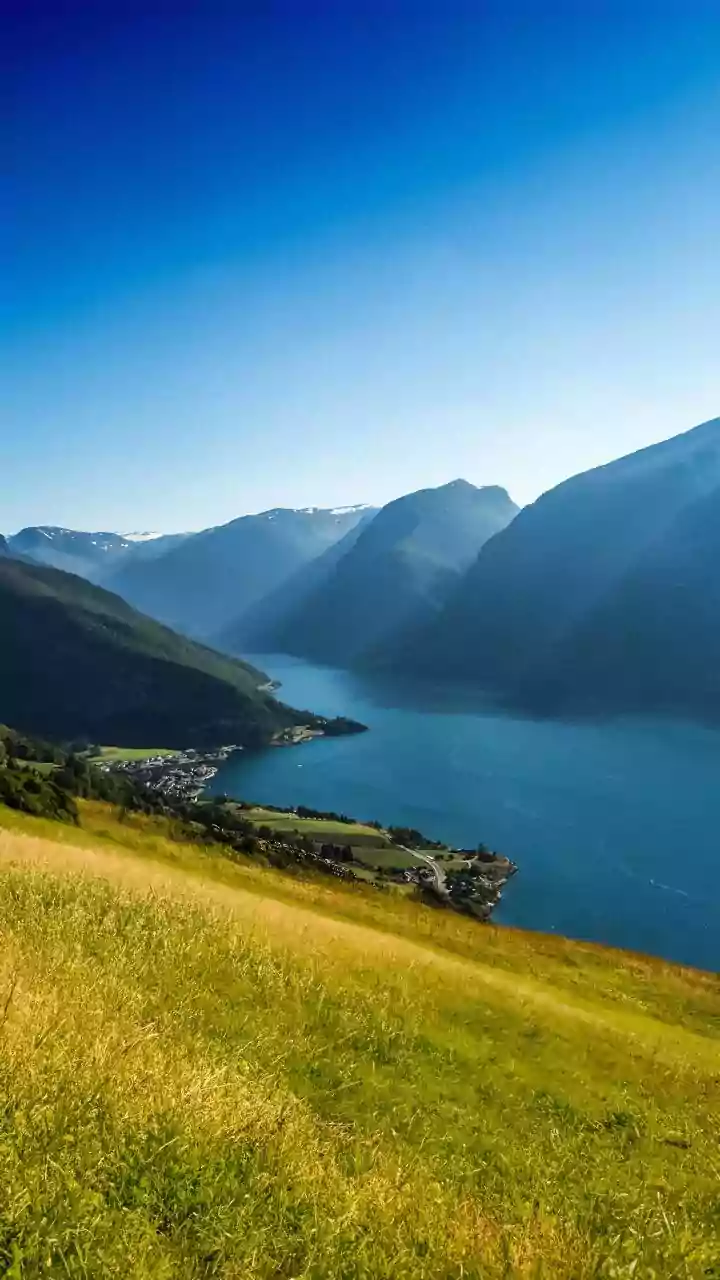
Famed for dramatic peaks that rise directly from the sea, Lofoten is an archipelago of staggering beauty. It’s a haven for hikers, surfers, kayakers, and photographers. In summer, the midnight sun offers endless daylight for exploration, while winter
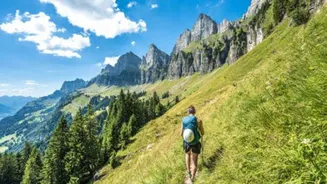
brings the awe-inspiring Northern Lights. The primary outdoor activity is hiking, with trails ranging from coastal strolls to demanding mountain ascents. Safety here is paramount. The weather is notoriously unpredictable and can change in an instant, so always pack warm, waterproof layers, even for short trips. Many trails are steep, rugged, and can be slippery when wet. It's crucial to choose routes that match your fitness and experience level and to never be ashamed to turn back if conditions worsen. For all mountain activities, following the Norwegian Mountain Code ('Fjellvettreglene') is essential.
2. Senja
Often called 'Norway in miniature', Senja offers a condensed version of the country’s diverse landscapes. The island's outer coast is wild and mountainous, with famous hikes like Segla and Hesten providing panoramic views, while the inner coast is more sheltered and green. Besides hiking, sea kayaking is a popular way to explore the fjords and coastline. When visiting Senja, responsible travel is key. Many roads are narrow, so driving requires patience, especially in a campervan. If a car park is full, move on rather than blocking access. When camping, stick to designated sites or follow the 'right to roam' rules, which means staying at least 150 metres from the nearest inhabited house or cabin and leaving no trace. For hiking, always check the weather forecast on sites like varsom.no, as conditions can be just as volatile as in Lofoten.
3. Svalbard (Spitsbergen)
For a true Arctic wilderness experience, nothing compares to the Svalbard archipelago, with Spitsbergen being its largest island. This is a realm of glaciers, vast tundra, and unique wildlife, including polar bears, walruses, and Arctic foxes. Activities are strictly regulated and almost always guided, including snowmobiling, dog sledding, and exploring ice caves. Safety in Svalbard is a serious matter, primarily due to polar bears. It is mandatory for anyone travelling outside the main settlement of Longyearbyen to be equipped with polar bear protection and know how to use it, which is why guided tours are the standard. New environmental regulations effective since 2025 mandate strict distances from wildlife; for instance, you must stay at least 300-500 metres away from polar bears, depending on the season. These rules are in place to protect both visitors and the fragile Arctic ecosystem.
4. Vesterålen
Located just north of Lofoten, the Vesterålen archipelago offers a gentler landscape but is no less beautiful. It is renowned as one of Europe's premier destinations for whale watching, with sperm whales present year-round. The islands also feature excellent hiking trails and charming fishing villages like Andenes and Stø. The main activity here is the whale safari. Reputable tour operators adhere to strict international guidelines to ensure the whales are not disturbed. This means keeping a safe distance and letting the animals approach the boat on their own terms. For visitors, the key safety concern is often seasickness, as tours venture into the open Arctic Ocean where conditions can be rough. Operators advise dressing in warm, layered clothing and taking precautions if you are prone to motion sickness.
5. Sommarøy
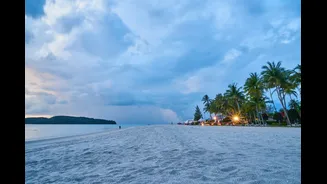
Known as the 'Summer Island', Sommarøy boasts beaches with white coral sand and turquoise waters that look almost Caribbean, albeit with Arctic water temperatures. Connected to the larger island of Kvaløya by a bridge, it’s a popular spot for kayaking, hiking, and fishing. In winter, its dark skies make it a great place to view the Northern Lights. The main safety focus for activities like sea kayaking is the cold water. Guided tours are highly recommended as they provide the necessary gear, like drysuits, and expertise. The weather can also change rapidly, so checking forecasts is essential before heading out on the water or on a hike up nearby peaks like Ørnfløya. Though the village is a popular tourist spot, it is a small, working community, so visitors are asked to be respectful of private property and local life.