



The Magic of Nut Pastes
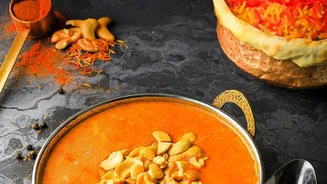
One of the oldest and most effective methods for achieving a rich, dairy-free gravy is by using nut pastes. Cashews are the star player here, lending a subtle sweetness and a luxuriously thick consistency that mimics dairy cream almost perfectly. To prepare,
simply soak raw cashews in hot water for at least 30 minutes until they soften, then blend them with a little water to form a smooth, silky paste. This paste is a cornerstone of Mughlai cuisine and is ideal for creating 'shahi' (royal) style curries. Almonds, particularly when blanched and ground, serve a similar purpose, providing a slightly different nutty profile that works beautifully in kormas.
Coconut: The Coastal Champion
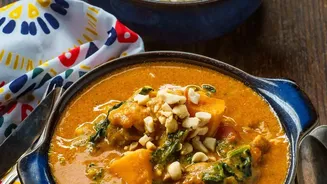
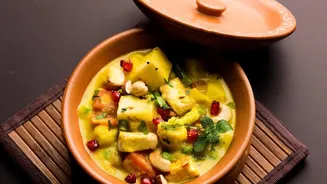
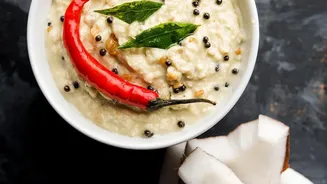
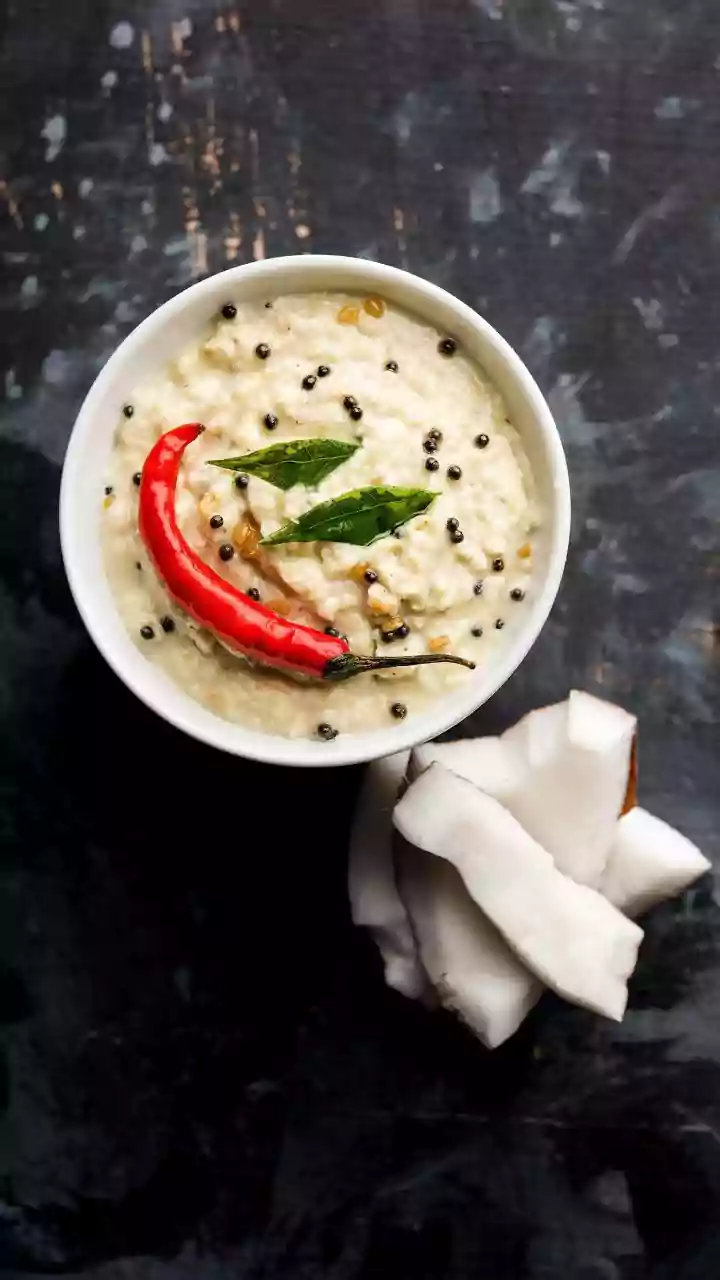
Across the coastal regions of India, especially in Kerala, Goa, and Karnataka, coconut is the key to creamy curries. Full-fat coconut milk provides a delicate sweetness and a wonderfully smooth texture that balances the heat of the spices. It is the foundation of dishes like Goan fish curry and Kerala's vegetable 'ishtew'. For an even richer result, the thick cream that solidifies at the top of a can of coconut milk can be used. Unlike nut pastes that need to be cooked into the sauce, coconut milk is often added towards the end of cooking to prevent it from splitting while still allowing it to thicken the gravy beautifully.
Poppy Seeds (Posto): A Subtle Secret
White poppy seeds, known as 'posto' in Bengal, are a fantastic secret weapon for creating a creamy texture with a unique, nutty taste. These tiny seeds are ground into a fine paste, often after a brief soak, and used as a primary thickening agent in many Bengali dishes. The resulting gravy is less overtly rich than a cashew-based one but has a distinct flavour and a velvety feel. This technique shows how regional Indian cuisines have developed diverse ways to build body and texture in their gravies long before commercial creams were available. The paste needs to be cooked thoroughly to remove any raw taste and to allow its full flavour to bloom.
Seeds of Success: Magaz and More
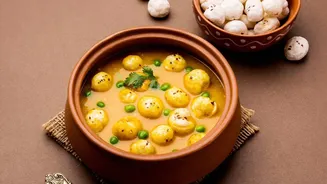
Another traditional thickener used in many North Indian and Mughlai preparations is 'magaz', or dried melon seed kernels. These pale seeds have a very neutral flavour, which makes them an excellent thickener that won't overpower the main spices of the dish. Often used in a blend called 'char magaz' (four seeds), which can also include pumpkin, cucumber, and cantaloupe seeds, they are soaked and ground into a paste just like nuts. This paste adds body and a gentle creaminess, contributing to the complex texture of many restaurant-style kormas and gravies. Sunflower seeds can be used in a similar manner for a nut-free alternative.
The Foundation: Onion and Tomato
Never underestimate the power of a well-made base. The creaminess of many everyday Indian curries comes not from an added ingredient but from the technique of slowly cooking finely ground onion and tomato paste. When onions are boiled and then ground into a paste, sometimes with cashews, they create a smooth, sweet foundation. Similarly, cooking down pureed tomatoes until the oil separates results in a thick, flavourful base that provides significant body. This foundational 'masala' is the canvas upon which the other spices and ingredients are layered, and getting it right is crucial for a gravy that feels rich and complete, even without any cream.