

From Humble Pond to Posh Pantry
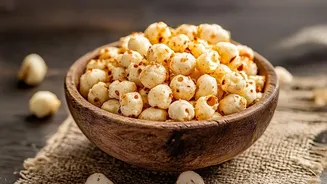
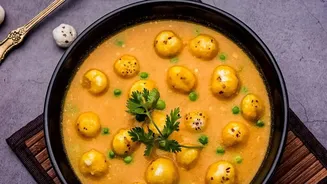
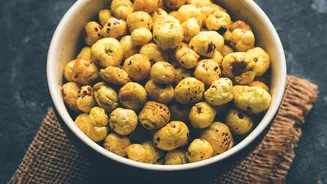
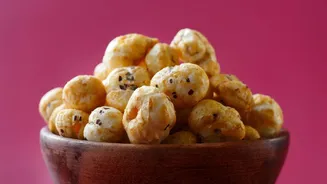
For generations, makhana, or fox nuts, were a humble food, often consumed during religious fasts. Harvested from the seeds of the prickly water lily plant, they were a regional staple, particularly in Bihar, which produces the vast majority of the world's
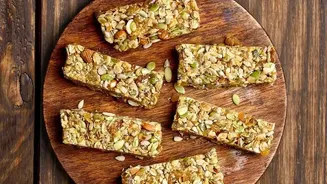
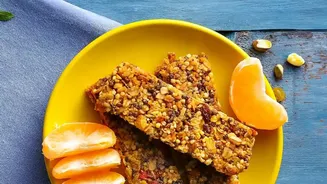
supply. Today, this traditional food has been completely rebranded. Packaged in slick, modern bags and available in flavours from peri-peri to cheese and herbs, makhana has become the go-to healthy crunch. Its appeal is rooted in its strong nutritional profile: it's low in calories, naturally gluten-free, and rich in protein and fibre. Unlike deep-fried potato chips, roasted makhana offers a satisfying crunch without the unhealthy fats and excess sodium, making it a guilt-free indulgence for health-conscious consumers. This transformation from a simple commodity to a premium, value-added product is a masterclass in modern marketing meeting ancient wisdom.
The Protein-Packed Global Star
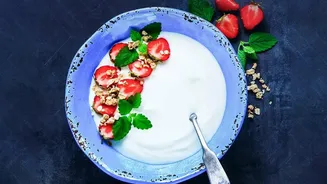
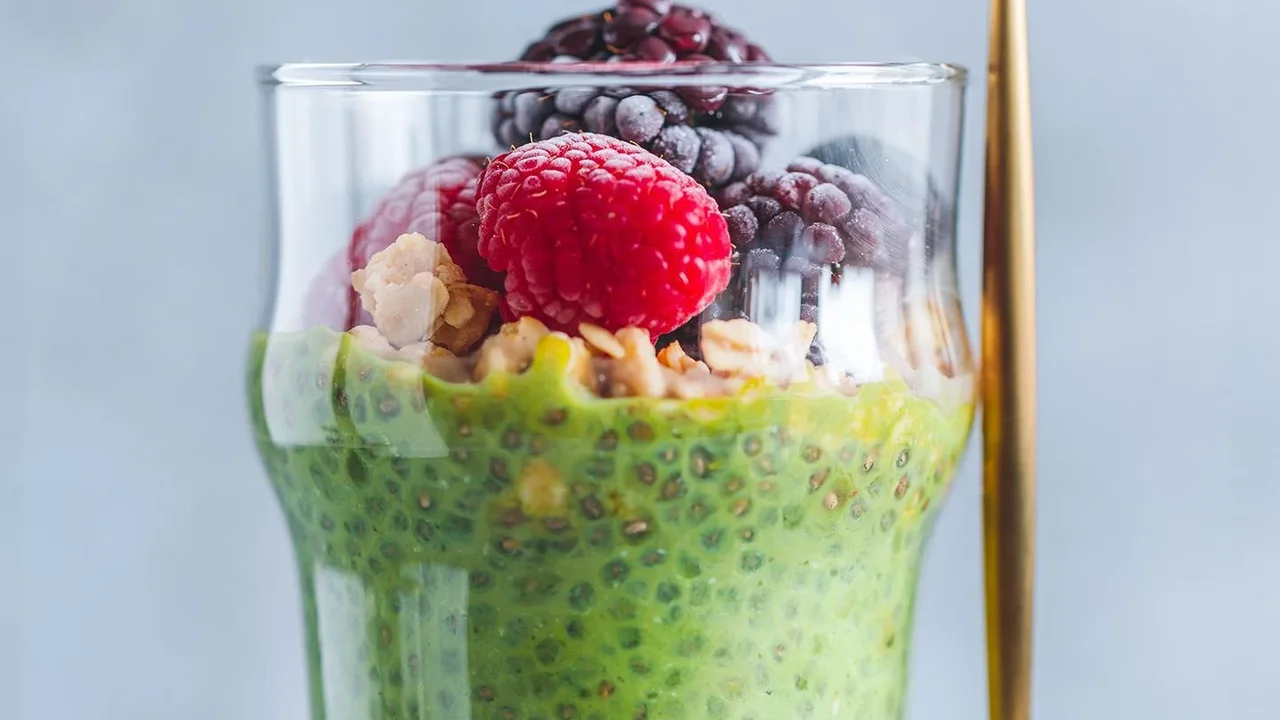
On the other end of the spectrum is Greek yogurt, a global wellness trend that has been enthusiastically adopted and adapted for the Indian palate. Unlike traditional dahi, Greek yogurt is strained to remove most of the liquid whey, resulting in a thicker, creamier product with almost double the protein. Brands like Epigamia, which pioneered the category in India in 2015, have positioned it as more than just a dairy product; it's a versatile health food. It serves as a high-protein breakfast, a low-sugar dessert alternative, or a post-workout recovery snack. The success of Greek yogurt highlights a growing awareness among urban Indian consumers about the importance of macronutrients, especially protein. This demand has attracted major players, with dairy giant Amul entering the market with a more accessible price point, pushing the category beyond just premium metro consumers.
Decoding the New Snacking Mindset
The parallel rise of a modernised native seed and an Indianised global dairy product isn't a coincidence. It reveals a deeper shift in consumer behaviour. Reports show that a vast majority of Indians are now actively seeking healthier snack options. A 2026 study found that 86% of consumers consider protein an important factor when choosing a snack. This new mindset is driven by a few key principles. Firstly, there's a demand for 'clean labels', with a preference for natural ingredients and no preservatives. Secondly, convenience is non-negotiable for busy urban lifestyles. Thirdly, consumers are increasingly willing to pay a premium for products that offer clear functional benefits, whether it's improved energy or better digestion. This shift is not just a fleeting trend but reflects a broader move towards wellness-oriented living where snacking is no longer mindless but mindful.
A Market Reimagined
This consumer-led revolution has reshaped India's snack market, which is projected to grow significantly. The healthy snacks category in India was valued at over USD 4 billion in 2025 and is expected to continue its strong growth trajectory. The makhana market alone is projected to reach nearly INR 12,000 crore by the end of the decade. This explosive growth has opened doors for a wave of new-age brands and direct-to-consumer startups, challenging the dominance of legacy food companies. These nimble innovators are using savvy branding, digital marketing, and quick commerce platforms to reach health-conscious millennials and Gen Z. The success of these healthier alternatives is forcing the entire industry to innovate, whether by launching their own healthy lines or by acquiring successful startups.