



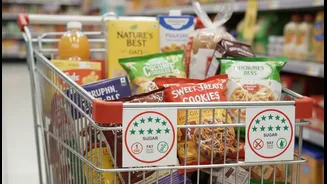


What is the +F Logo?
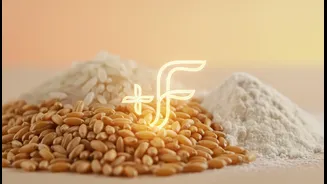
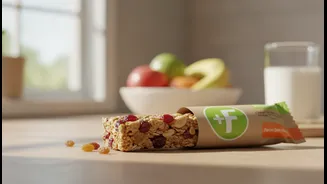
The ‘+F’ logo is a symbol introduced by the Food Safety and Standards Authority of India (FSSAI) to help consumers easily identify fortified foods. When you see this logo, it certifies that the food contains added key vitamins and minerals in line with
national standards. It’s a simple visual cue that the product has been enhanced to improve its nutritional value, making it a reliable indicator for shoppers looking to make healthier choices for their families without needing to decode complex nutritional labels. The goal is to empower consumers to tackle nutritional gaps through their daily groceries.
Decoding Food Fortification
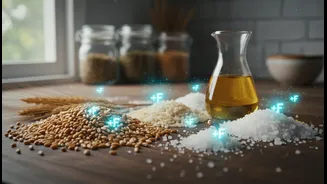
Food fortification is the process of deliberately adding essential micronutrients—vitamins and minerals—to staple foods. This process doesn't change the taste, texture, or aroma of the food. The idea is to improve the nutritional quality of foods that are consumed by a large section of the population on a regular basis, such as rice, wheat flour, edible oil, milk, and salt. This strategy helps to replenish nutrients that may be lost during processing or were never present in sufficient quantities, turning everyday meals into a source of better health. It's considered a scientifically proven, cost-effective, and sustainable public health intervention to address micronutrient deficiencies on a large scale.
Why 'Hidden Hunger' Makes Fortification Necessary
India faces a significant public health challenge known as 'hidden hunger,' or micronutrient malnutrition. This means a large portion of the population, despite having enough food to eat, does not get a sufficient amount of essential vitamins and minerals. Deficiencies in iron, iodine, vitamin A, vitamin D, folic acid, and vitamin B12 are widespread, leading to serious health issues. For instance, iron deficiency is a major cause of anaemia, which affects over half of women and children in the country. Vitamin A deficiency can lead to night blindness, and a lack of vitamin D affects bone health. Fortification addresses this problem at its source by adding these missing nutrients back into the daily diet of millions.
Your Fortified Grocery List: What to Look For
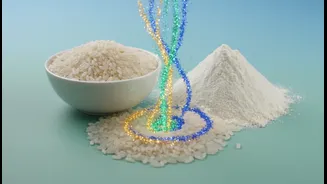
The FSSAI has standardized the fortification of five key staples. When you're shopping, you can look for the '+F' logo on these items: Wheat Flour (Atta) and Rice: Fortified with Iron, Folic Acid, and Vitamin B12 to combat anaemia and support cognitive function. Edible Oil and Milk: Fortified with Vitamin A and Vitamin D, which are crucial for eyesight, immunity, and bone health. * Double Fortified Salt: Enriched with both Iodine and Iron to help prevent iodine deficiency disorders like goitre and address iron-deficiency anaemia. Many popular brands have already adopted these standards, making it easier for consumers to find fortified options in their local stores.
Progress and Roadblocks
The food fortification initiative, regulated by FSSAI since 2016 and updated in 2018, is largely voluntary for most food producers in the open market. However, its adoption is encouraged, and it is mandatory for staples distributed through government safety net programs like the Mid-Day Meal Scheme and ICDS. This ensures that the most vulnerable populations receive nutritional benefits. While the program shows great promise, challenges remain, including low public awareness and logistical hurdles. For example, in early 2026, the government temporarily paused the mandatory fortification of rice in certain welfare schemes after a study raised concerns about the stability of nutrients during long storage periods, highlighting the need for robust implementation and monitoring. Despite such setbacks, the push from both government and industry continues, emphasizing fortification as a key pillar for improving the nation's health.