






From Cardio Queen to Lifting Legend
For years, the fitness narrative for Indian women centered on subtraction: losing weight and shrinking sizes through endless cardio and restrictive diets. The associated activewear was often limited to yoga pants and running gear, marketed with an emphasis
on flexibility and a slender aesthetic. However, a post-pandemic surge in health consciousness has rewritten this script. A growing number of women are embracing strength training, not just for aesthetics, but for the profound health benefits—like improved bone density, better hormonal regulation, and increased muscle mass. This shift is amplified by social media, where fitness influencers and coaches debunk myths about women becoming 'bulky' and instead celebrate physical strength and capability. The new goal isn't to be the smallest person in the room, but the strongest.
The Old Marketing Playbook Is Obsolete
The traditional marketing for women's activewear in India simply can’t keep up. For decades, it was a sea of pastel colours, featuring models in posed, non-sweaty settings. The focus was on athleisure as a fashion statement for a coffee run rather than functional gear for a grueling workout. Brands often adopted a one-size-fits-all approach, frequently importing Western designs and sizes that didn't cater to Indian body types or the country's climate. This strategy overlooked a crucial desire: women who train hard need apparel that performs under pressure, and they want to see themselves—strong, muscular, and diverse—reflected in the brands they support.
The New Rules: Strength, Function, and Authenticity
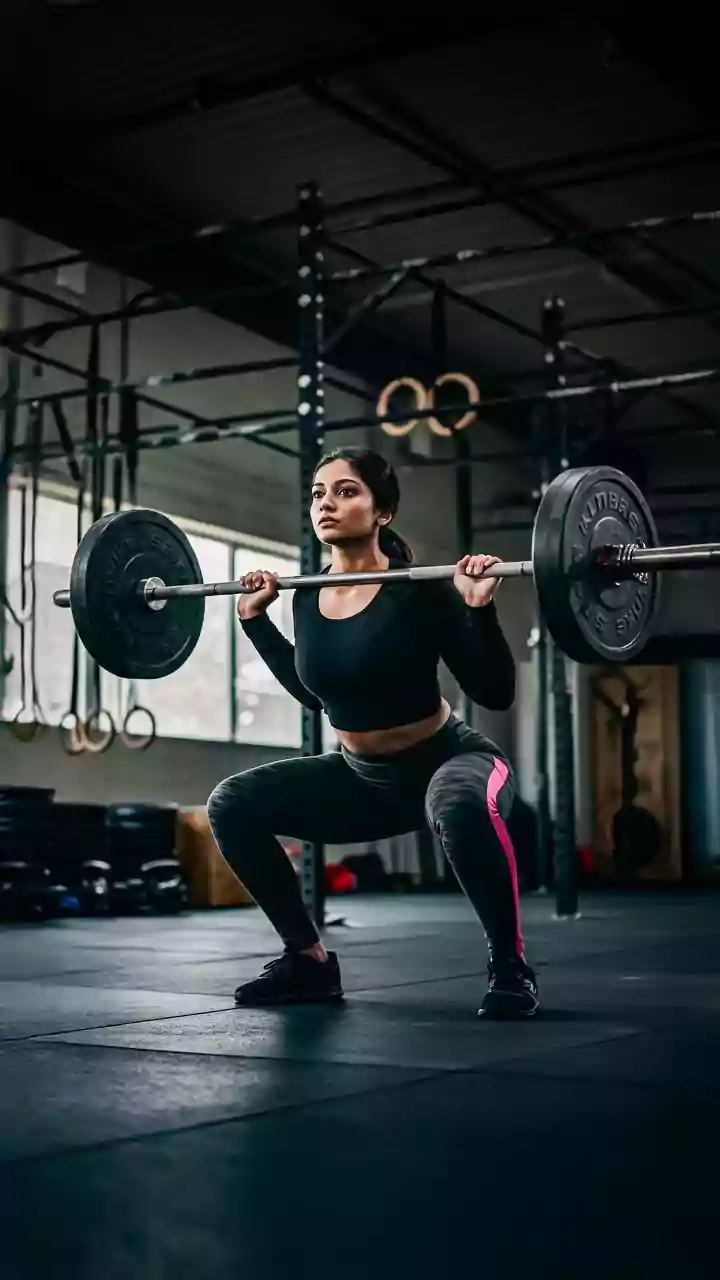
The rise of the female lifter has forced a total marketing reset. Brands are now shifting their focus from pure style to a blend of performance, function, and authenticity. The new marketing vocabulary is about empowerment, endurance, and performance. This is reflected in a few key ways. Firstly, visuals are changing. Campaigns now feature women with visible muscle definition in authentic gym settings, deadlifting, squatting, and celebrating their power. Secondly, product design has evolved. There's a soaring demand for apparel with functional features like squat-proof, durable fabrics, supportive sports bras for high-impact activity, and leggings with practical pockets. Finally, the messaging has moved from 'look good' to 'feel strong'. Brands that succeed are those who speak the language of performance and build a community around shared fitness goals.
Brands Getting It Right
While international giants like Nike and Adidas are adapting, a new wave of homegrown Indian direct-to-consumer (D2C) brands is leading the charge, connecting more deeply with this new consumer base. These brands are building their identity around inclusivity and function. They offer extended sizing, design for Indian body shapes, and use social media to create a 'sisterhood' of strength. By using relatable influencers who are genuine lifters and by showcasing real customer transformations, they build trust and authenticity that larger corporations often struggle to replicate. Their campaigns are less about celebrity endorsements and more about community-building, featuring customer testimonials and celebrating personal bests, resonating powerfully with the modern Indian woman who lifts.