


1. Ignoring Weather and Road Advisories
The single biggest mistake is assuming the weather will hold. Mountain weather is notoriously unpredictable, and monsoons add another layer of risk with landslides and flash floods. Before and during your trip, regularly check forecasts from the India
Meteorological Department (IMD) and road status updates from local police or disaster management authorities. A road washout or landslide can shut down a highway for hours or even days, turning a dream trip into a logistical nightmare. Recent incidents in Uttarakhand and Himachal Pradesh are stark reminders that these are not rare events. Always have a backup plan and a couple of buffer days in your itinerary.
2. Packing the Wrong Clothes and Gear
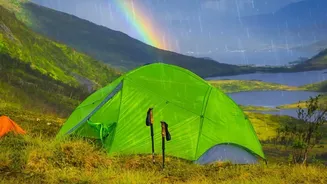
That favourite pair of jeans and cotton t-shirts? Leave them at home. Cotton absorbs moisture and takes forever to dry in the damp, humid conditions of the hills, leaving you cold and uncomfortable. Instead, opt for lightweight, quick-drying synthetic fabrics that you can layer. A solid waterproof outer layer (a rain jacket or poncho) is non-negotiable. Equally important is waterproofing your belongings. Use a rain cover for your rucksack and keep electronics, cash, and documents in smaller dry bags or zip-lock pouches.
3. Choosing Fashion Over Function in Footwear
Slippery, moss-covered paths and muddy trails are the norm during monsoon. Wearing sandals, flip-flops, or shoes with poor grip is an invitation for a fall. Invest in a sturdy pair of waterproof trekking shoes with good ankle support and a high-traction sole. Even for casual walks around a hill town, you need reliable footwear that can handle wet, uneven surfaces. Also, pack a few pairs of synthetic or wool socks; wet feet can lead to blisters and fungal infections.
4. Neglecting Your Vehicle's Monsoon Readiness
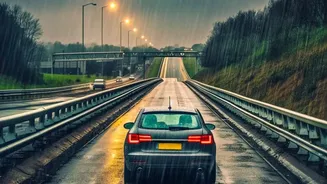
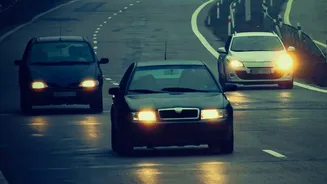
If you are driving, your car is your lifeline. Before heading into the hills, ensure it's in top condition. Pay special attention to tyres (good tread is crucial for grip on slippery roads), brakes, and windscreen wipers. Make sure your headlights and fog lights are working perfectly, as visibility can drop to near-zero in minutes. It’s also wise to have a full tank of fuel, as long traffic jams due to blockages are common. Driving at night is best avoided; plan to reach your destination before dusk.
5. Disregarding Health and Hygiene
The monsoon is a peak season for waterborne and mosquito-borne illnesses. Be extremely cautious about what you eat and drink. Avoid street food, especially items that are uncooked or have been sitting out. Stick to bottled or boiled water, and be wary of ice in drinks. Carry a basic first-aid kit with essentials like antiseptic wipes, bandages, pain relievers, and medication for diarrhoea. A good quality insect repellent is also a must to protect against diseases like dengue and malaria.
6. Sticking to a Rigid, Over-Packed Itinerary
Flexibility is your best friend during a monsoon hill trip. A landslide might close the road to your next destination, or a sudden downpour could wash out your trekking plans for the day. Trying to stick to a tight schedule will only lead to stress and risky decision-making, like driving in dangerous conditions. Plan a relaxed itinerary with plenty of downtime. This allows you to adapt to changing conditions and enjoy the simple pleasure of watching the rain from a cosy café or your hotel balcony.
7. Underestimating Local Knowledge
Google Maps might not know about that freshly formed pothole or the shortcut that turns into a raging stream after a cloudburst. Locals—your hotel owner, taxi driver, or a shopkeeper—possess invaluable, real-time knowledge about the area. Before heading out for a walk or a drive, ask them about the condition of the paths and roads. They can warn you about unsafe “shooting stone” zones or streams that are deceptively strong. Heeding their advice can be the difference between a minor inconvenience and a serious situation.