
Anatomy of a Banana Blossom
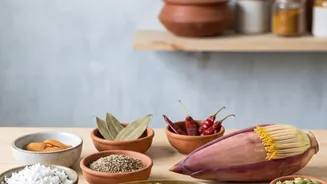
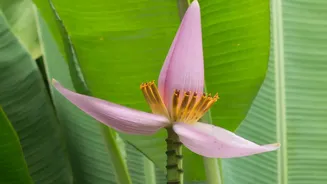
Common in South and Southeast Asian cuisine, the banana flower, also known as a banana heart or vazhaipoo, has a layered structure. The tough, deep-purple outer leaves are called bracts. Tucked beneath each bract are rows of small, yellowish blossoms
called florets, which, if pollinated, would become individual bananas. As you peel away the outer bracts, the inner ones become paler, more tender, and the florets beneath them get smaller. Eventually, you reach the solid, pale, tender core, often called the heart. The headline's claim is rooted in this structure: the delicate inner florets and heart cook much faster than the fibrous outer bracts.
The Essential Prep Work
Preparing a banana flower is a bit of a process, but it's essential for a tasty outcome. The first step is to manage the sap, which can stain your hands, so rubbing them with a little oil is a good idea. Next, prepare a large bowl of acidulated water (water with lemon juice or vinegar) to prevent the flower from browning once cut. Peel off the tough outer bracts one by one. You can save these to use as rustic serving bowls. As you remove each bract, collect the little florets underneath. The larger florets from the outer layers have two inedible parts that must be removed: a hard, matchstick-like pistil and a small, tough, scale-like outer petal called the calyx. These parts are bitter and tough, so discarding them is crucial. Simply open the floret, and pluck them out before dropping the cleaned floret into your bowl of acidic water.
Cooking with the Tender Florets
The cleaned florets from the outer layers, along with the very tender florets and the chopped heart from the center, are the most prized parts of the blossom. These components are delicate and require minimal cooking. In many South Indian recipes, like a 'vazhaipoo poriyal' (a dry stir-fry), the chopped florets are cooked for just 5 to 8 minutes until they soften. Boiling them takes even less time, often just 2-3 minutes after the water starts to bubble. Overcooking will turn them mushy. These tender parts are perfect for quick stir-fries, salads where they add a gentle crunch, or as an addition to soups and curries in the last few minutes of cooking. Their mild flavour and absorbent, slightly flaky texture make them an excellent plant-based substitute for fish.
What About the Tougher Bracts?
While the outer, deep-purple bracts are often discarded or used as serving vessels, some culinary traditions do cook them. They are significantly more fibrous than the inner heart and florets and therefore require a much longer cooking time to become palatable. One common method is to steam or boil them for at least 20-30 minutes until they are tender enough to be sliced and added to dishes. Some recipes even call for charring them over a flame before peeling and using the softened inner portions. If you choose to use them, think of them as an ingredient for slow-cooked dishes like curries or stews, where they have ample time to break down and absorb flavours. Don't try to use them in a quick stir-fry, as they will remain unpleasantly tough and chewy.