

More Than Just Pretty Shapes
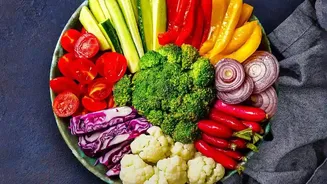
The way a vegetable is cut does more than just affect its appearance; it fundamentally alters its culinary properties. The size and shape of a vegetable piece determine its surface area, which in turn dictates how quickly it cooks and how it absorbs flavours.
Think of a potato. Large chunks are perfect for a slow-cooked curry, where they soften gradually and soak up the gravy. Sliced thinly, those same potatoes become crisp chips. Cut into small, uniform cubes (diced), they cook evenly in a quick sabzi or hash. The uniformity of your cuts is also crucial; mixing large and small pieces in the same pan means some will burn while others remain unpleasantly raw. Mastering a few basic cuts is the first step toward more consistent and delicious cooking.
The Daily Workhorses: Chop, Dice, and Slice
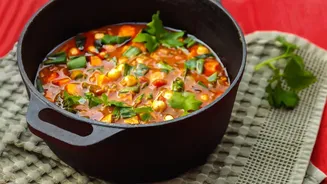
These three techniques form the foundation of most home cooking. A 'chop' is often rough and irregular, perfect for rustic soups or stews where precision isn't necessary. 'Dicing', however, involves creating uniform cubes. A small dice (brunoise) is great for aromatics like onions and ginger, releasing their flavour intensely into a dish, while a medium dice is a versatile choice for everything from salads to stir-fries. 'Slicing' creates longer, thinner pieces. Thinly sliced onions can melt into a sauce, adding sweetness without much texture, whereas thicker slices will hold their shape when roasted or fried. For long vegetables like carrots or cucumbers, slicing them into round coins is known as the rondelle cut.
Level Up: Julienne and Other Matchsticks
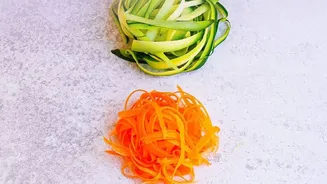
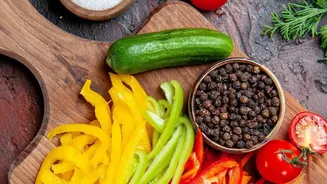
The julienne, or matchstick cut, involves cutting vegetables into long, thin strips. This technique is particularly useful for firm vegetables like carrots, bell peppers, and raw papaya. The increased surface area allows them to cook very quickly, making them ideal for a fast stir-fry where you want to maintain a bit of crunch. These thin strips also integrate beautifully into salads, slaws, and as a fresh garnish on top of curries, adding a delightful texture. A slightly thicker version of this cut is the batonnet, which you might use for vegetable sticks for dipping or for making French fries. These cuts are not just for fancy restaurant dishes; they are practical ways to control cooking time and texture.
The Power of the Grate and Shred
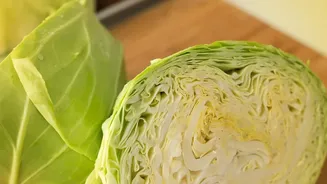
Don't underestimate the humble grater. Shredding or grating vegetables ruptures more cell walls, which can result in a stronger flavour and a completely different texture. A grated carrot, for instance, tastes sweeter and is perfect for incorporating into raita, parathas, or a classic gajar ka halwa. Grated bottle gourd (lauki) or cabbage forms the base for delicious koftas, its moisture helping to bind the dumplings together. Leafy greens and herbs can be cut into very fine ribbons using a technique called chiffonade, where leaves are stacked, rolled tightly, and then sliced. This is perfect for adding fresh basil or mint as a final flourish to a dish.
Case Study: The Versatile Pumpkin
Let’s consider a seasonal favourite in India: pumpkin (kaddu). How you cut it can lead to entirely different meals. Cubed into one-inch pieces, it’s the star of a classic sweet and sour khatta meetha kaddu, where the chunks soften but hold their shape. Sliced thinly and pan-fried, it becomes a simple, comforting side dish. If you shred the pumpkin, you can mix it with besan (chickpea flour) and spices to make flavourful cheelas (savory pancakes). And if you boil larger chunks until tender and then mash them, you have the base for a creamy soup or a filling for a stuffed paratha. One vegetable, four cuts, four completely different dining experiences. This same logic can be applied to almost any vegetable in your seasonal basket.