






The Problem with Today's Batteries
For years, the electric vehicle revolution has been powered by lithium-ion batteries. They are relatively lightweight and pack a decent amount of energy. However, they have a fundamental drawback: charging speed. Pushing energy into a standard lithium-ion battery
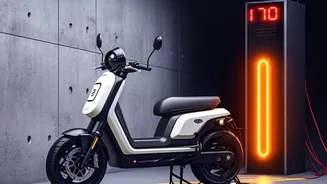
too quickly can cause it to degrade, overheat, and in rare cases, lead to dangerous thermal runaway events where the battery can catch fire. As a result, a full charge for most electric scooters on Indian roads today can take anywhere from three to six hours, creating significant downtime for both personal users and commercial delivery fleets. While some fast-charging systems exist, they often come at a premium and still take over an hour, which is a far cry from the five minutes it takes to refuel a petrol scooter.
Meet the Game-Changers: Solid-State and Sodium-Ion
Two key technologies are emerging as front-runners to solve the charging puzzle: solid-state batteries and sodium-ion batteries. Solid-state batteries, as the name suggests, replace the flammable liquid electrolyte found in current lithium-ion cells with a solid, often ceramic or polymer, layer. This fundamental change not only makes them safer but also allows ions to move much more quickly, enabling incredibly fast charging speeds—potentially delivering an 80% charge in under 15 minutes.
Sodium-ion batteries offer a different advantage. They use abundant and inexpensive sodium instead of lithium. While their energy density has traditionally been lower than lithium-ion, recent advancements have made them a viable option for urban scooters. Their key benefits are lower cost, enhanced safety, and excellent performance in extreme temperatures, a crucial factor for the varied Indian climate. Companies like CATL are already producing them at scale, which could make fast-charging scooters more affordable for a wider audience.
Graphene and Supercapacitors: The Speed Boosters
Beyond new battery chemistries, other materials are accelerating charging times. Graphene, a single layer of carbon atoms, is a super-material that dramatically improves conductivity when added to battery components. Graphene-enhanced batteries can handle much higher charging currents without degrading, with some developers claiming a charge to 80% in just 10 minutes. Several companies in India are already marketing graphene-based batteries, which are often enhanced versions of lead-acid or lithium batteries, promising faster charging and longer life cycles. Another promising technology comes from Indian startups like Log9 Materials, which has developed hybrid supercapacitor-based battery packs. These batteries can charge and discharge extremely rapidly. Log9 has already partnered with two-wheeler manufacturers to launch cargo EVs that can be fully charged in just 12 minutes, a significant breakthrough for last-mile delivery services.
From Lab to Indian Roads: When Is 'Soon'?
While the technology is exciting, the transition won't happen overnight. Solid-state batteries are still expensive to manufacture at scale, though some niche manufacturers like Verge Motorcycles have begun delivering the world's first solid-state battery bikes in 2026. This indicates that commercial production is becoming a reality. For the mass-market scooter segment in India, sodium-ion batteries may arrive sooner. Global manufacturers like Yadea have already launched sodium-ion models in China, and with major players investing heavily, their entry into the Indian market is expected within the next couple of years. Indian companies are not sitting idle. Bengaluru-based Log9 Materials is a prime example, having established its own lithium-ion cell manufacturing facility to produce its rapid-charging batteries, aiming to power thousands of commercial two-wheelers across the country.
The Remaining Hurdles
The path to ultra-fast charging for everyone involves more than just battery innovation. A major challenge is cost. New technologies are typically more expensive to produce initially, which could push the price of these advanced scooters higher. Another significant hurdle is infrastructure. To support 15-minute charging, a robust network of high-powered DC fast chargers is needed across cities, a far more complex and expensive undertaking than the current network of standard AC charging points. Finally, manufacturers need to integrate these new batteries into vehicles, test them rigorously for safety and longevity under demanding Indian road and weather conditions, and convince a price-sensitive market that the convenience is worth the potential premium. The race is on, but widespread adoption will be a marathon, not a sprint.