







The Brain-Gut Lag: Your 20-Minute Fullness Signal
One of the most significant reasons to slow down is the communication delay between your stomach and your brain. It takes approximately 20 minutes for your gut to send hormonal signals to your brain that you've had enough to eat. [1, 4] When you eat too
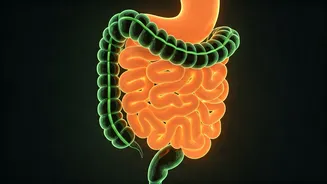
quickly, you can easily consume more calories than your body needs before this signal even has a chance to arrive. [7] Stretch receptors in your stomach are activated as it fills, sending an initial message via the vagus nerve. [9] However, the more powerful hormonal signals that truly register satiety, or fullness, take longer. [9] Eating slowly gives this intricate system the time it needs to work, helping you recognize when you're full and preventing overeating. [7, 4]
Hormones at Play: The Ghrelin and Leptin Dance
Two key hormones that regulate hunger are ghrelin and leptin. [20, 23] Ghrelin is known as the 'hunger hormone'; its levels rise before meals to stimulate your appetite. [23, 24] Leptin, on the other hand, is the 'satiety hormone' produced by fat cells, which signals to your brain that you're full. [9, 20] Eating quickly can disrupt this delicate hormonal balance. [6] When you slow down, it allows time for ghrelin levels to fall and gives leptin a chance to rise and signal fullness to your brain. [8, 9] This hormonal response not only helps you eat less during a meal but also can keep you feeling fuller for longer afterwards, reducing the urge to snack between meals. [16, 4]
The Digestive Advantage: It Starts in the Mouth
Digestion doesn't start in the stomach; it begins in the mouth. Chewing is a crucial first step, as saliva contains enzymes that start to break down food. [2, 6] When you eat too fast, you tend to take larger bites and chew less thoroughly. [19] This forces your stomach to work harder to break down bigger particles of food, which can lead to indigestion, bloating, and gas. [1, 12] Swallowing excess air is also common when eating quickly, further contributing to bloating and discomfort. [6, 3] By chewing your food properly, you not only aid the digestive process but also increase blood flow to the stomach, priming it for the meal. [2, 7]
Weight Management and Metabolic Health
The link between eating speed and weight is well-documented. Numerous studies show that fast eaters are more likely to be overweight and have a higher risk of obesity. [1, 2, 10] This is partly because fast eating leads to consuming more calories before feeling full. [16] Over time, this can contribute to weight gain and is also associated with an increased risk of metabolic syndrome — a cluster of conditions that includes high blood pressure, excess belly fat, and high blood sugar. [1, 3] By contrast, slowing down your eating pace can spontaneously reduce your calorie intake and may be an effective strategy for weight management. [16, 18]
The Psychological Shift to Mindful Eating
Slowing down is a cornerstone of mindful eating, which involves paying full attention to the experience of eating and savouring your food. [11] When you eat mindfully, you become more aware of the flavours, textures, and smells of your meal, which can increase enjoyment and satisfaction. [5, 8] This practice also helps you tune into your body's natural hunger and fullness cues, distinguishing between physical hunger and emotional or environmental triggers to eat. [13, 11] Studies on mindful eating suggest that by reducing eating speed, individuals can decrease their overall food intake. [14]