





The Monsoon's Call for Comfort
There's a certain magic to the Indian monsoon. It’s a season of relief and romance, of grey skies and green landscapes. But it’s also a season that drives us indoors, urging us to seek warmth and comfort. As the temperature drops and the skies open up,
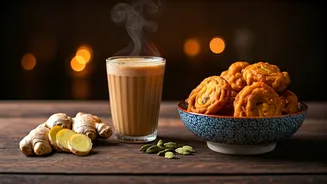
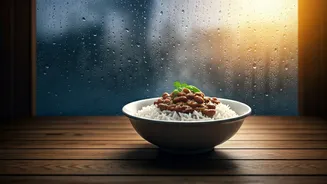
our bodies instinctively crave foods that are hearty, warm, and satisfying. The usual suspects of pakoras and chai are ever-present, but for a truly soul-filling meal, nothing answers the monsoon’s call quite like rajma chawal. It’s not just food; it’s an emotional response to the weather, a culinary hug in a bowl that feels custom-made for a gloomy afternoon.
More Than Just Beans and Rice
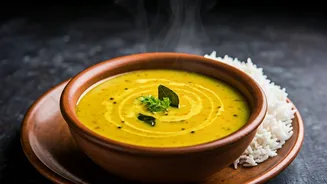
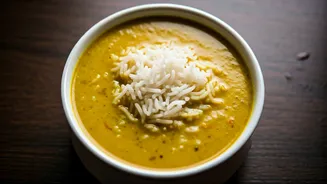
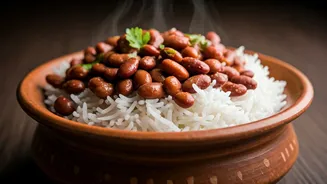
To call rajma chawal merely ‘kidney beans and rice’ is to miss the point entirely. This dish is a cornerstone of North Indian cuisine and a symbol of home for millions. For many, it’s synonymous with lazy Sundays, when the entire family would gather for a leisurely lunch. The aroma of the slowly simmering rajma—rich with ginger, garlic, tomatoes, and a secret blend of family spices—is the smell of childhood, of security, of a day with no agenda other than to eat well and be together. The rajma, cooked to creamy perfection, coats every grain of fluffy white rice, creating a texture and flavour combination that is simple yet profoundly satisfying. Each spoonful is a reminder of home, no matter how far away you might be.
The Psychology of a Perfect Pair
There is a science to our comfort food cravings. When it’s dark and dreary outside, our serotonin levels can dip, leading to a drop in mood. Carbohydrate-rich meals like rajma chawal can help boost the production of this feel-good neurotransmitter. The warmth of the food provides immediate physical comfort, while the combination of protein from the beans and energy from the rice creates a feeling of satiety and contentment that is deeply reassuring. It signals to our brain that we are safe, nourished, and cared for. This combination isn't just delicious; it’s a form of edible therapy, a simple and effective way to lift our spirits on a day that might otherwise feel melancholic.
A Culinary Ritual of Love
Unlike an instant meal, a good bowl of rajma chawal is an exercise in patience and love. The process begins the night before, with the soaking of the beans—a small act of planning that promises future comfort. The next day involves the slow cooking of the masala, the patient simmering of the beans until they are tender enough to melt in your mouth. This slow, deliberate process is part of its charm. It’s a dish that cannot be rushed, and the time invested in its preparation is a key ingredient. Whether made by a mother, a father, or for oneself, the act of cooking rajma chawal is a ritual of care. It’s this infusion of time and affection that elevates it from a simple dish to an emotional experience.
An Enduring Cultural Staple
While loved across the country, rajma chawal holds a special, almost sacred status in the homes of Punjab, Delhi, and surrounding regions. It's a weekly staple, a go-to for family gatherings, and a guaranteed crowd-pleaser. Served with a side of crunchy onions, a dollop of dahi, and perhaps some spicy pickle, it becomes a complete, balanced, and utterly delicious meal. Its popularity has transcended home kitchens, becoming a fixture in dhabas and restaurants, each offering their own unique take on the classic. Yet, no matter the preparation, the core feeling it evokes remains the same: a sense of deep, uncomplicated happiness.