






The New Digital Dining Table
The rapid expansion of internet access across India, fueled by affordable smartphones and data plans, is doing more than just connecting people—it's fundamentally altering household consumption patterns. One of the most significant shifts is happening
in the kitchen. The convenience of online food delivery, the endless scroll of culinary inspiration on social media, and the rise of e-grocery platforms are creating a new food environment. This digital ecosystem is reshaping how families discover, purchase, and consume food, leading to a complex mix of new opportunities and potential health challenges. Studies show this transformation is driven by convenience, especially in fast-paced urban areas and for dual-income households with less time for cooking. What was once an occasional treat, like ordering a pizza, has now become a daily possibility for millions.
An Explosion of Choice and Variety
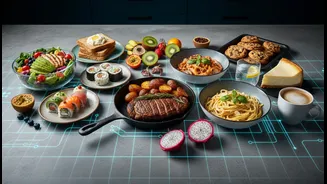
On one hand, household connectivity offers unprecedented access to dietary variety. A family in a Tier-2 city can now easily order Korean kimchi, browse recipes for Mediterranean salads, or source organic millets from a farmer collective miles away. Food delivery platforms have democratized access to a diverse range of cuisines that were previously hard to find outside of metropolitan hubs. This exposure can broaden culinary horizons and introduce a wider array of ingredients and nutrients into the household diet. E-commerce platforms also provide access to a broader range of products than many physical stores, which is a major draw for nearly half of Indian online shoppers. This digital access can empower consumers to move beyond traditional staples and explore a more varied and potentially more nutritious plate.
The Convenience Trap and Discretionary Spending
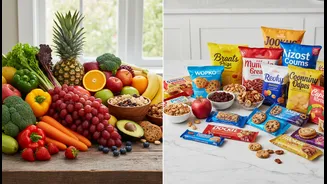
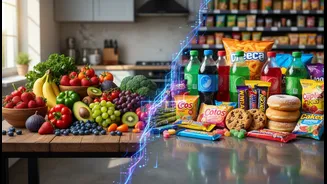
However, this same digital convenience has a significant downside. Research indicates a strong link between the frequent use of online food delivery apps and poorer dietary quality. These platforms make it incredibly easy to indulge in impulsive, convenience-driven food choices. A 2025 study found that fast food was the most ordered category (84.7%) among a group of users, and increased use of these apps was associated with higher snacking behavior. Targeted ads, push notifications with discount offers, and algorithm-driven suggestions often promote ultra-processed foods, high-calorie meals, and sugary beverages. This contributes to a rise in discretionary spending—money spent on non-essential items like snacks and restaurant meals. In 2022-23, elite urban households spent nearly half their food budget on packaged goods, dining out, and food delivery, a notable increase from a decade prior.
A Growing Public Health Concern
The shift towards online ordering and discretionary consumption is not just a matter of budget; it has serious public health implications. One comprehensive study projected that frequent use of food delivery apps could contribute to an 18% increase in caloric intake while actually reducing overall dietary diversity by 12% as users gravitate toward a homogenized set of popular, algorithm-promoted options. This trend is concerning in a country already grappling with rising rates of obesity and non-communicable diseases like diabetes. While nearly 67% of users have tried to find healthier choices on these apps, over half have struggled to do so, pointing to a gap between consumer intent and what the platforms make most visible and appealing. Experts note that while the apps themselves are not solely to blame, they are a significant factor in making unhealthy, processed foods more accessible than ever.
Navigating the Future of Food
As internet connectivity continues to expand into smaller towns and rural areas, these dietary trends are expected to follow. The challenge for Indian households will be to harness the benefits of the digital food ecosystem while mitigating its risks. This involves developing a new kind of literacy: digital food literacy. It means learning to navigate the tempting landscape of food apps with intention, seeking out the variety they offer without falling into the trap of convenience-led overconsumption of unhealthy options. For policymakers and the platforms themselves, there's a growing need to think about public health. Strategies could include making healthier food options more visible, affordable, and attractive on apps, and providing transparent nutritional information to empower consumers to make informed choices.