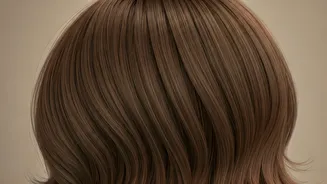




The Classic Cut, Reimagined for Today
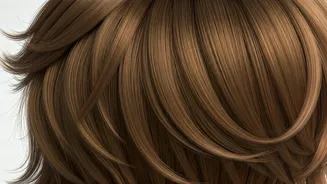
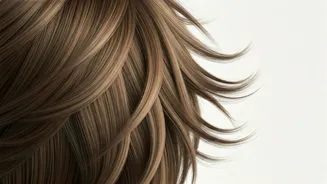
First popularised in the 1970s and made iconic by stars like Farrah Fawcett, the feathered haircut has returned with a modern sensibility. At its core, the technique involves cutting soft, subtle layers that taper toward the ends, creating a light, airy
effect that mimics the delicate edge of a feather. Unlike standard layering which can sometimes be blunt, feathering is about texturizing the ends to create a softer, more blended finish. The result is a style that adds movement and shape, whether your hair is long, short, or somewhere in between.
How Feathering Builds Controlled Volume
The magic of the feathered cut lies in its strategic approach to layering. The technique removes weight from the hair, which allows it to have more natural bounce and flow. For those with thick hair, this means reducing bulkiness for a lighter feel. For those with fine hair, it creates the illusion of more body and fullness by adding texture and lift right where it's needed. The layers are designed to flow smoothly into one another, preventing the choppy or disconnected look that can sometimes result from other layered styles. This seamless blend is what creates volume that looks intentional and polished, not unruly.
Is This the Right Cut for Your Hair?
One of the greatest strengths of the feathered haircut is its versatility across different hair types. For fine or thin hair, the soft layers can create the illusion of thickness and stop the hair from looking limp. If you have thick hair, feathering can remove excess weight and prevent your hair from feeling heavy or triangular. Straight hair gets a boost of texture and dimension, while wavy and curly hair can benefit from layers that enhance the natural curl pattern and reduce bulk. Modern feathered cuts can be adapted for any length, from a short pixie or bob to long, flowing locks.
Speaking Your Stylist’s Language
To get the look you want, communication with your hairstylist is key. Instead of just asking for layers, specify that you want “soft, feathered layers” that blend seamlessly. Mentioning that you want to add volume and movement without losing too much length is also helpful. Bringing in inspiration photos of modern feathered styles can ensure you and your stylist are on the same page. You can also discuss face-framing options, such as feathered curtain bangs, which can soften your features and beautifully complement the cut.
Styling and Maintaining Your New Look
Maintaining a feathered cut is generally considered low-maintenance, as the layers are designed to grow out gracefully. To keep the style looking its best, plan for a trim every six to eight weeks to keep the ends sharp and healthy. When styling at home, start by applying a lightweight volumizing mousse to the roots. Using a round brush while blow-drying can help you shape the layers and create that signature soft, flicked-out look. For a quick refresh, a spritz of texturizing spray can revive the layers and enhance their airy quality.