



An Angler's Paradise
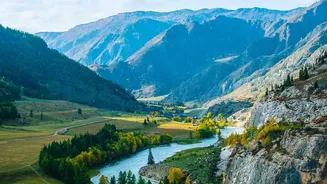
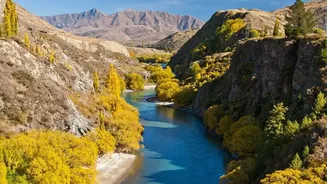
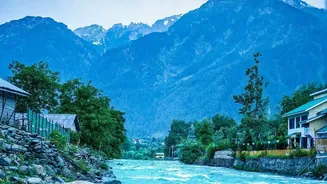
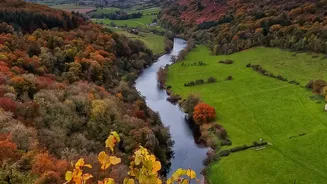
Tirthan Valley is legendary among fishing enthusiasts for its healthy population of brown and rainbow trout. The crystal-clear Tirthan River, which the government has declared an angling reserve, provides a 45-kilometre stretch perfect for the sport.
The official fishing season runs from March 1 to October 31, and a permit is required to cast your line. Many local guesthouses and operators can help you arrange for the necessary license and equipment, making it accessible even for beginners. To preserve the delicate ecosystem, most fishing here is done on a 'catch and release' basis, ensuring the river's biodiversity thrives for years to come. This commitment to conservation is a core reason the valley remains a pristine fishing destination.
Trekking Trails for Every Pace
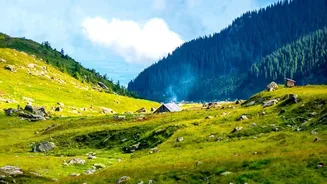
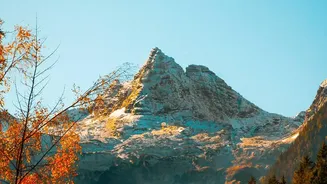
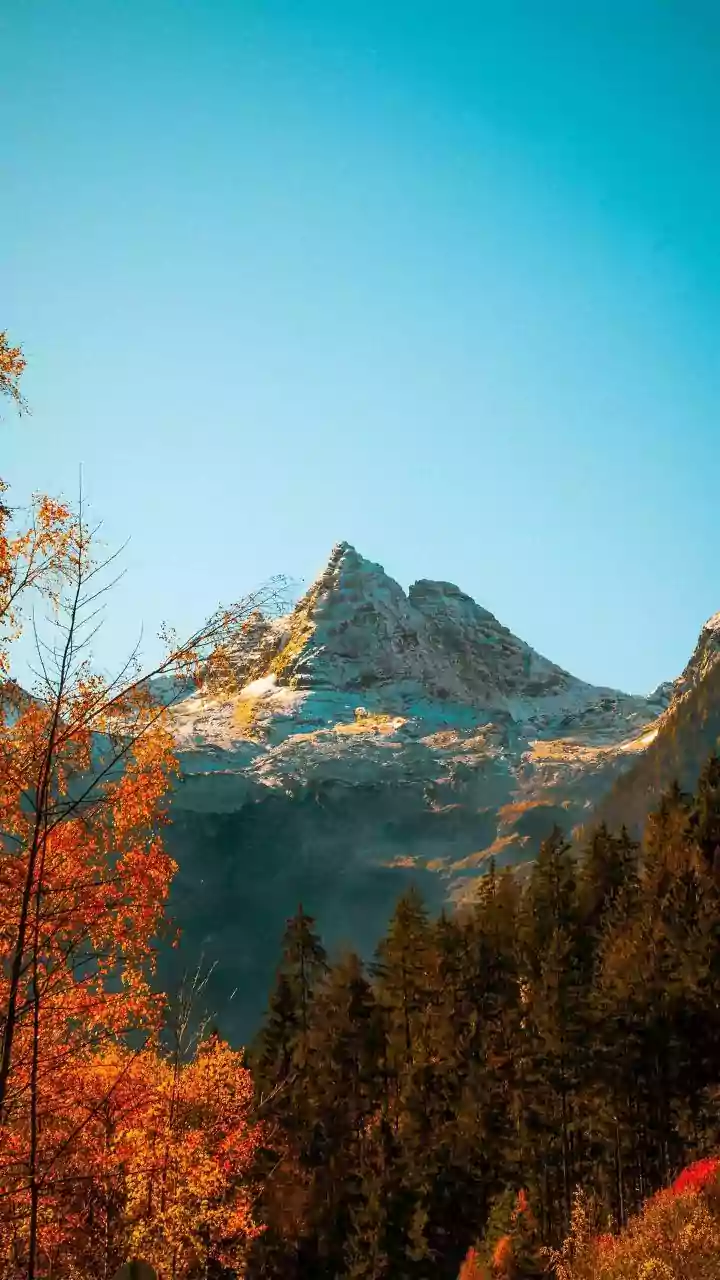
As the gateway to the Great Himalayan National Park (GHNP), a UNESCO World Heritage Site, Tirthan Valley is a trekker's dream. The trails here range from gentle day hikes to challenging multi-day expeditions. For beginners or those short on time, easy treks to nearby waterfalls or the Rolla trek offer a beautiful introduction to the region's natural splendour. More seasoned hikers can take on the trek to Serolsar Lake, a serene high-altitude lake accessible from the Jalori Pass, which offers stunning views of the surrounding peaks. For the truly adventurous, treks deeper into the GHNP reveal a world of rare wildlife, including the Himalayan Tahr and even the elusive snow leopard. These well-marked paths through dense pine and oak forests offer a profound connection with nature.
The Quiet Alternative to Crowded Hills
Unlike its bustling neighbours like Manali and Shimla, Tirthan Valley has consciously avoided rampant commercialisation. Its status as an eco-tourism hub and the buffer zone for the GHNP means development is regulated. The focus is on small, family-run homestays and guesthouses rather than large, impersonal hotels, which helps maintain the area's serene atmosphere. This model attracts travellers seeking peace and quiet over crowded markets and tourist traps. Even during peak season, the valley feels spacious and unhurried, allowing visitors to truly disconnect and immerse themselves in the quiet beauty of the Himalayas.
Planning Your Tirthan Escape
The best times to visit Tirthan Valley are from March to June for pleasant weather and lush greenery, and from September to November for crisp air and clear post-monsoon skies. Winters (December to February) are cold and can bring heavy snow, which offers a different kind of beauty but may limit accessibility. The most common way to reach the valley is by road. The nearest major town is Aut, which is well-connected by overnight buses from Delhi and Chandigarh. From Aut, you can hire a taxi or take a local bus to villages like Gushaini, Banjar, or Jibhi. The nearest airport is in Bhuntar (near Kullu), about 50 kilometres away. Accommodation is primarily in homestays, which offer an authentic experience with delicious home-cooked meals and warm Himachali hospitality.