






More Than Just a Pretty View
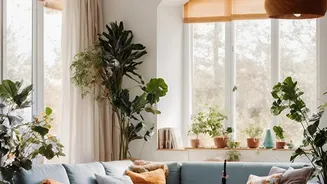
Abundant natural light is more than just an aesthetic perk; it's a cornerstone of well-being. Exposure to sunlight is essential for regulating our circadian rhythms, the body's internal clock that governs sleep and wakefulness. A home filled with daylight
can lead to better sleep quality and more energy during the day. Furthermore, sunlight boosts the brain's production of serotonin, a neurotransmitter that helps regulate mood. This can lead to reduced stress and an overall greater sense of happiness. For those who work from home, a well-lit space is a game-changer. Studies have consistently shown that employees with access to natural light report higher levels of concentration and productivity. It also helps reduce eye strain and headaches associated with staring at screens in poorly lit rooms.
The Financial Upside of a Sunlit Home
Prioritising natural light is not just good for your health; it's also smart for your wallet. A home that is naturally bright requires less artificial lighting, which can lead to noticeable savings on your electricity bills. In cooler climates, south-facing windows can provide passive solar heating during the winter, further reducing energy costs. Beyond day-to-day savings, a light-filled home is a strong financial investment. Properties with ample natural light are highly sought after in the real estate market. They tend to photograph better for online listings, attract more potential buyers, and can often command higher resale prices than their darker counterparts. Many buyers list natural light as a top priority, making it a feature that adds significant and lasting value.
How to Assess a Home's Light
The key to evaluating a home's daylight is understanding its orientation. The direction a home faces determines when and how sunlight will enter. South-facing rooms generally receive the most consistent light throughout the day. East-facing rooms are blessed with bright morning sun, ideal for kitchens and breakfast nooks. West-facing rooms get strong afternoon and evening light, which can be lovely but may also introduce significant heat in the summer. North-facing rooms receive the least direct sun, offering a soft, diffused light that is consistent but less intense. Before you even visit, you can use online map services to get a general idea of a property's orientation and potential obstructions like tall buildings or dense trees.
Your Site Visit Daylight Checklist
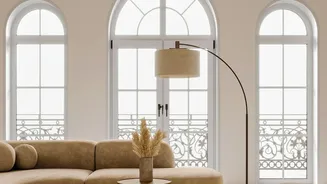
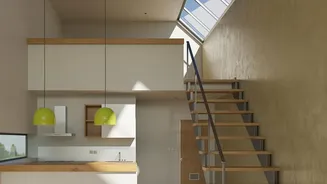
When you tour the property, make a conscious effort to analyse the light. If possible, schedule visits at different times of the day—once in the morning and once in the afternoon—to see how the light changes. As you walk through, pay attention to which rooms you'll use most and when. A bright, east-facing kitchen might be perfect for your morning routine, while a west-facing living room could be ideal for relaxing in the evening. Look beyond just the direction; consider the size, placement, and condition of the windows. Are they large and clean, or small and obstructed? Check for features that can enhance light, such as skylights, solar tubes, or large glass doors. Also, take note of the surroundings. A neighbouring building or large tree could block sun for much of the day, drastically altering a room's brightness.