




The All-Too-Common Trap of Lifestyle Creep
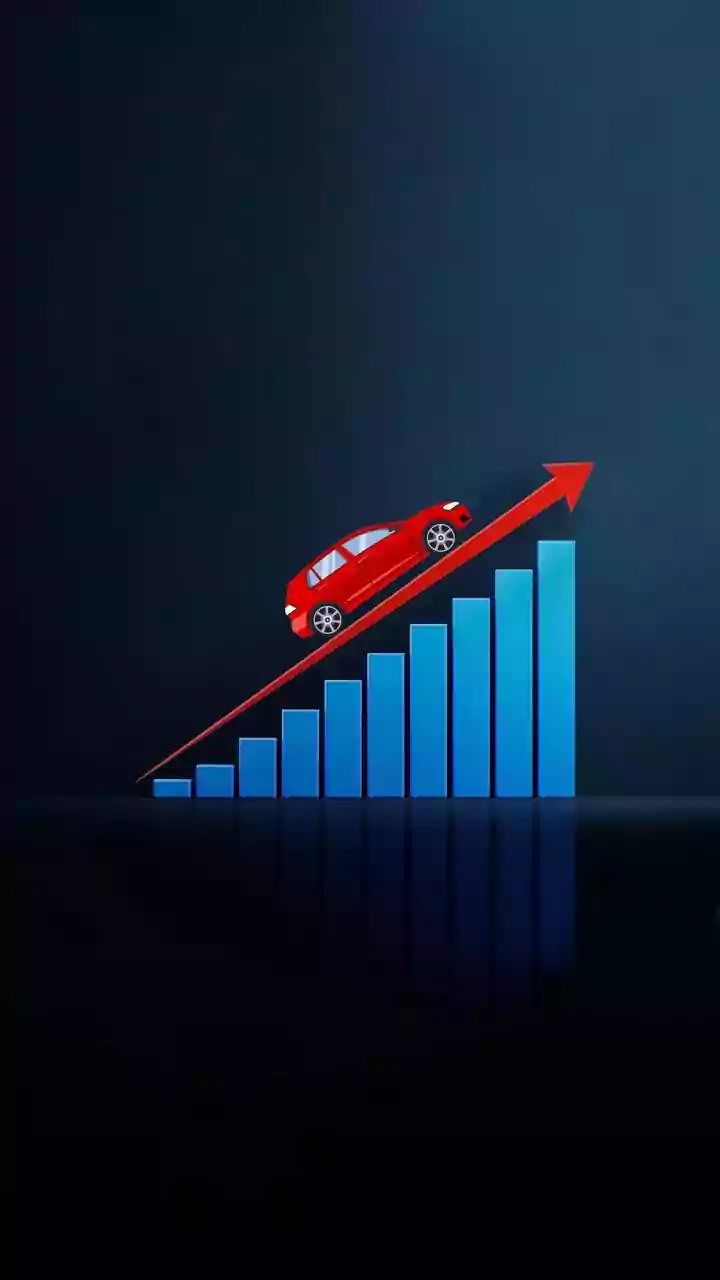
Lifestyle inflation, or 'lifestyle creep', is the common tendency to increase spending as your income grows. It happens gradually. A promotion leads to a slightly fancier car. A yearly bonus is spent on more expensive holidays. Soon, you find that even
with a higher salary, you're not saving any more than you were before. These small upgrades become new necessities, and your budget expands to absorb every extra rupee earned. While it feels like you're rewarding yourself for hard work, this cycle can be damaging in the long run, limiting your ability to build real, lasting wealth and achieve financial independence. What was once a luxury becomes the new baseline, leaving you financially stretched despite earning more.
The Fleeting Joy of 'More'
The psychological reason we fall into this trap is a concept called the 'hedonic treadmill' or 'hedonic adaptation'. It describes our tendency to return to a set level of happiness, regardless of positive life changes like a pay raise or a new purchase. The initial thrill of a luxury buy is temporary. Once the novelty wears off, that new standard of living becomes normal, and we start seeking the next upgrade to feel that same rush of happiness again. This cycle of chasing fleeting satisfaction through spending keeps us running in place, working harder just to maintain a more expensive lifestyle without actually increasing our long-term wellbeing.
The Unseen Power of Compounding
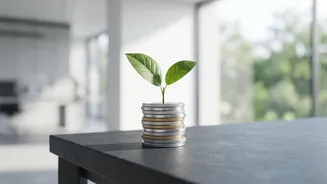
Contrast the fading joy of spending with the quiet, persistent power of investing. When you channel extra income into investments, you activate compounding. This is where your returns start earning their own returns, creating a snowball effect that builds wealth exponentially over time. While lifestyle inflation offers a small, immediate reward, investing your raise offers a much larger, delayed one. The money you don't spend on an upgraded lifestyle today can grow into a significant sum for your future, thanks to the magic of compound interest. It’s the difference between a depreciating asset that provides temporary pleasure and a growing asset that provides long-term freedom.
Your Future Self Will Thank You
Choosing to invest instead of inflate your lifestyle isn't about deprivation; it’s about strategic prioritisation. It's about giving your future self more options and greater security. That extra money, when invested, works towards significant long-term goals—be it retiring early, funding a child's education, buying a home without financial strain, or simply having a robust emergency fund that protects you from life's unexpected turns. Every rupee invested is a vote for future freedom and stability, allowing you to eventually afford a lifestyle far greater than what small, incremental upgrades could ever provide.
Practical Steps to Prioritise Investing
Avoiding the lifestyle inflation trap requires intentionality. First, create a plan for any new income before it hits your bank account. A popular strategy is to allocate a significant portion—say, 50% or more—of every raise directly towards your investments. Automate this process by setting up or increasing your Systematic Investment Plan (SIP) contributions or direct deposits into your investment accounts. This is the essence of the 'pay yourself first' principle. Also, regularly review your budget to ensure your spending aligns with your values and long-term goals, not just societal pressure or impulse. By making saving and investing the default choice, you build a powerful habit that serves you for life.