
Visa and Currency Made Simple
Getting to Sri Lanka is straightforward for Indian passport holders. While entry is visa-free for up to 30 days, obtaining an Electronic Travel Authorization (ETA) before your trip is mandatory. You can apply for this online through the official Sri Lankan
immigration website. As of mid-2026, the government has waived the fee for Indian tourists, though a service fee might apply if you use a third-party platform. Always ensure your passport is valid for at least six months from your date of entry. The local currency is the Sri Lankan Rupee (LKR). Currently, one Indian Rupee fetches around 3.47 LKR, giving you significant purchasing power. It is advisable to carry some cash, especially for smaller towns, but ATMs are widely available in cities and tourist hubs.
Your Daily Budget Breakdown
Sri Lanka is exceptionally friendly to a backpacker's wallet. A frugal traveller can comfortably manage on ₹2,000 to ₹3,500 per day. This budget covers a dorm bed in a hostel (around ₹700-₹1,200), meals at local eateries (₹400-₹600 for a day's food), and public transport. A simple but filling meal of rice and curry can cost as little as 250 LKR. Opting for local 'kottu' stalls and small restaurants instead of tourist-focused cafes will dramatically lower your food expenses. Your budget will stretch further if you stick to free activities like hiking and beach hopping, but even entry fees for major sites are manageable when planned for.
Getting Around on a Shoestring
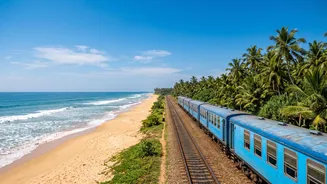
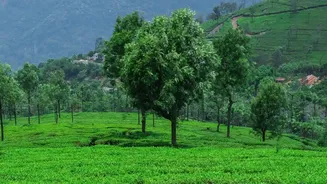
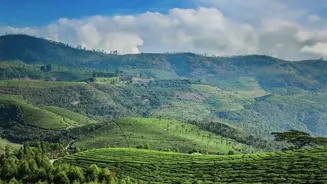
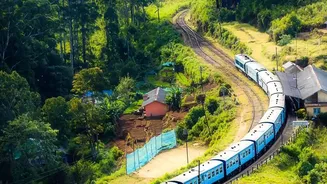
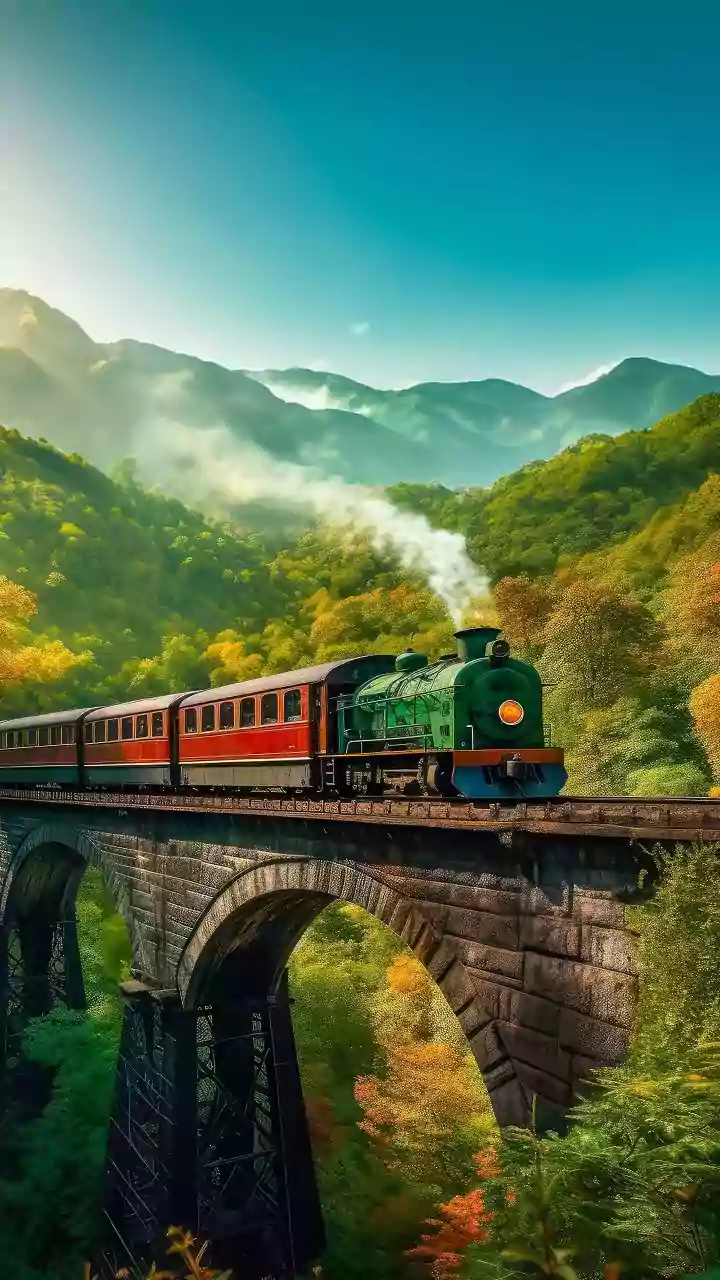
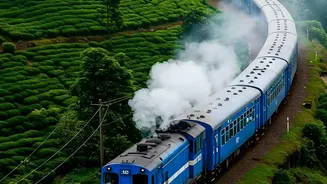
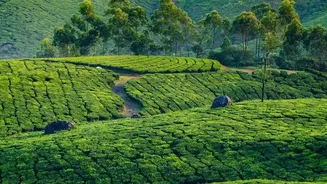
Sri Lanka's public transport network is a budget traveller's dream. The train system, while sometimes slow, offers some of the most scenic journeys in the world, particularly the iconic ride from Kandy to Ella through verdant tea plantations. These train tickets are incredibly cheap. Buses are even cheaper and connect almost every corner of the island, though they can be crowded. For shorter distances within towns, the ubiquitous tuk-tuk is perfect. Always agree on a fare before starting your journey or use ride-hailing apps like PickMe and Uber where available, as they often provide cheaper and more transparent pricing.
Affordable Stays and Homely Hostels
The backpacking scene in Sri Lanka is well-established, with a wide network of hostels and guesthouses, especially in popular spots like Ella, Mirissa, and Arugam Bay. A bed in a dormitory can cost between 1,800 to 7,700 LKR per night, often including a basic breakfast. These hostels are not just a place to sleep; they are vibrant social hubs where you can meet fellow travellers and get valuable tips. Homestays offer another fantastic, affordable option, providing a chance to experience authentic Sri Lankan hospitality. Staying a little outside the main tourist centres can also result in significant savings.
A Classic Backpacker Itinerary
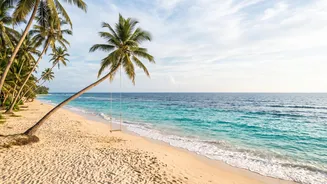
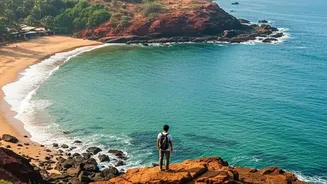
A popular and well-trodden route for first-timers forms a loose loop, starting from the area around Colombo. From there, you can head inland to the cultural heartlands. A typical two-week itinerary might look like this: Start in Colombo and head to the ancient cities of the Cultural Triangle, like Sigiriya, to climb the magnificent Lion Rock. Then, travel to Kandy, the island's spiritual capital, to visit the Temple of the Sacred Tooth Relic. From Kandy, take the famous train journey to the hill-country towns of Nuwara Eliya and Ella for stunning hikes and tea plantation tours. Finally, wind your way down to the southern coast to relax on the beaches of Mirissa, Weligama, or Unawatuna before heading back to Colombo for your flight home.