






Our Over-Reliance on Rice and Wheat
For decades, India's food security narrative has been dominated by two crops: rice and wheat. Spurred by the Green Revolution, high-yielding varieties of these grains helped the nation achieve self-sufficiency. However, this success has come at a cost.
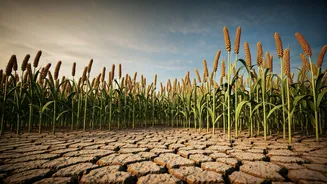
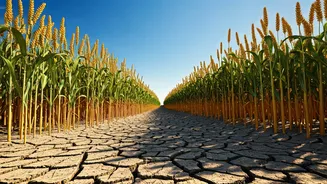
These water-intensive crops have strained the country's groundwater resources, with agriculture consuming nearly 89% of available groundwater. Rice cultivation, in particular, requires more than three times the rainfall needed for millets like jowar and bajra. This over-reliance on a few crops makes the food system vulnerable, especially as climate change brings more frequent droughts, erratic rainfall, and extreme heatwaves that can devastate yields.
Why Millets are 'Climate-Smart' Grains
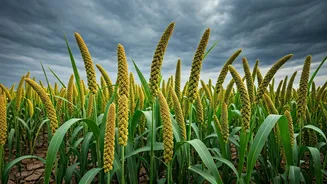
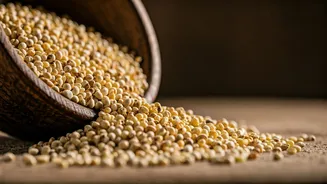
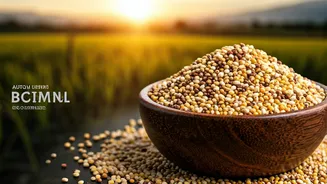
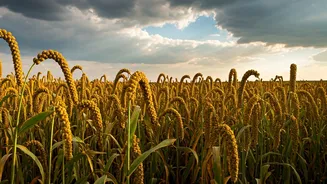
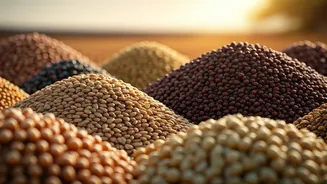
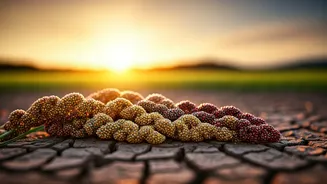
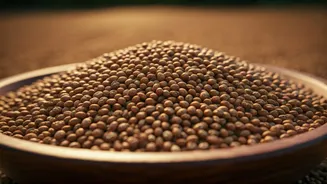
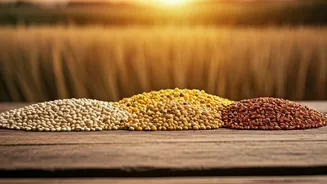
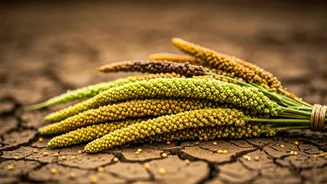
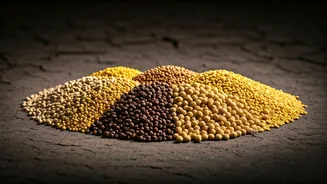
Millets, a diverse group of small-seeded grasses including bajra (pearl millet), jowar (sorghum), and ragi (finger millet), are remarkably resilient. Often called "miracle grains," they are adapted to thrive in harsh conditions, such as arid regions, poor soils, and high temperatures. Their ability to grow with minimal water and fewer chemical inputs makes them an environmentally sustainable choice. As global temperatures are projected to rise, wheat cultivation may become impractical in many areas, positioning millets as a vital alternative for ensuring stable grain production. This inherent toughness makes them a cornerstone of climate-resilient agriculture, capable of safeguarding food supply in an uncertain future.
A Nutritional Powerhouse for a Healthier India
Beyond their agricultural benefits, millets offer superior nutrition compared to polished rice and refined wheat. They are rich in protein, dietary fibre, and essential minerals like iron, calcium, and zinc. For instance, finger millet (ragi) has about 10-12 times more calcium than rice and wheat, while pearl millet (bajra) is a far richer source of iron. Millets also have a low glycaemic index, meaning they release sugar into the bloodstream slowly. This quality makes them ideal for managing diabetes and obesity, two significant health challenges in India. By incorporating these "nutri-cereals" into diets, India can tackle malnutrition and the rising prevalence of lifestyle diseases.
The Government's Push and Lingering Challenges
Recognising their potential, the Indian government has initiated a major push for millets, popularly branded as 'Shree Anna'. At India's behest, the United Nations declared 2023 as the International Year of Millets, creating global awareness. Domestically, initiatives like the National Food Security Mission (NFSM) and state-level programmes such as the Odisha Millet Mission are promoting cultivation and consumption. Millets are also being integrated into the Public Distribution System (PDS) and mid-day meals to improve nutritional access. However, challenges remain. Decades of focusing on rice and wheat have led to a decline in millet consumption, with the grains sometimes perceived as "poor man's food". Farmers face issues like lower profitability compared to other cash crops, weak market linkages, and a lack of access to high-yielding seeds and efficient processing technologies.