






A Month of Spiritual Cleansing
Shravan, or Sawan, is the fifth month of the Hindu calendar, falling during the peak of the monsoon season. It is profoundly auspicious, dedicated to the worship of Lord Shiva. Across India, devotees observe various rituals, with many choosing to fast
on Mondays (Shravan Somwar) or for the entire month. This period is not about deprivation but about purification. The very word for fasting, 'upvas', means to be closer to God. By simplifying one's diet and daily habits, the focus shifts from worldly indulgence to inner reflection and spiritual growth. The home kitchen becomes the heart of this observance, transforming into a sanctuary where meals are prepared with intention and devotion.
The Philosophy of Sattvic Eating
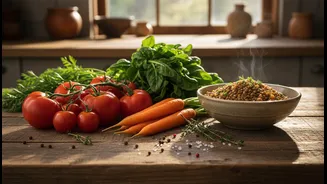
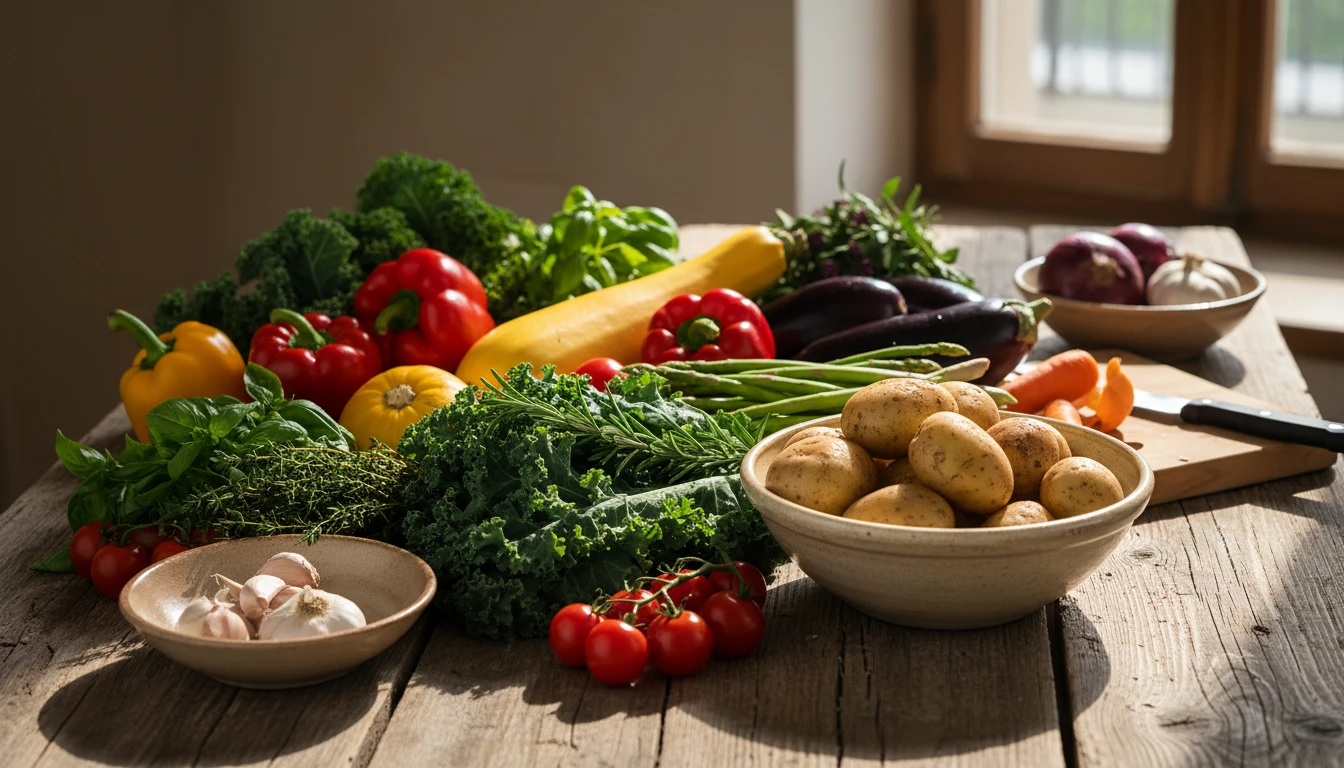
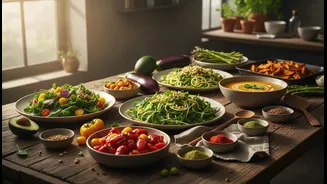
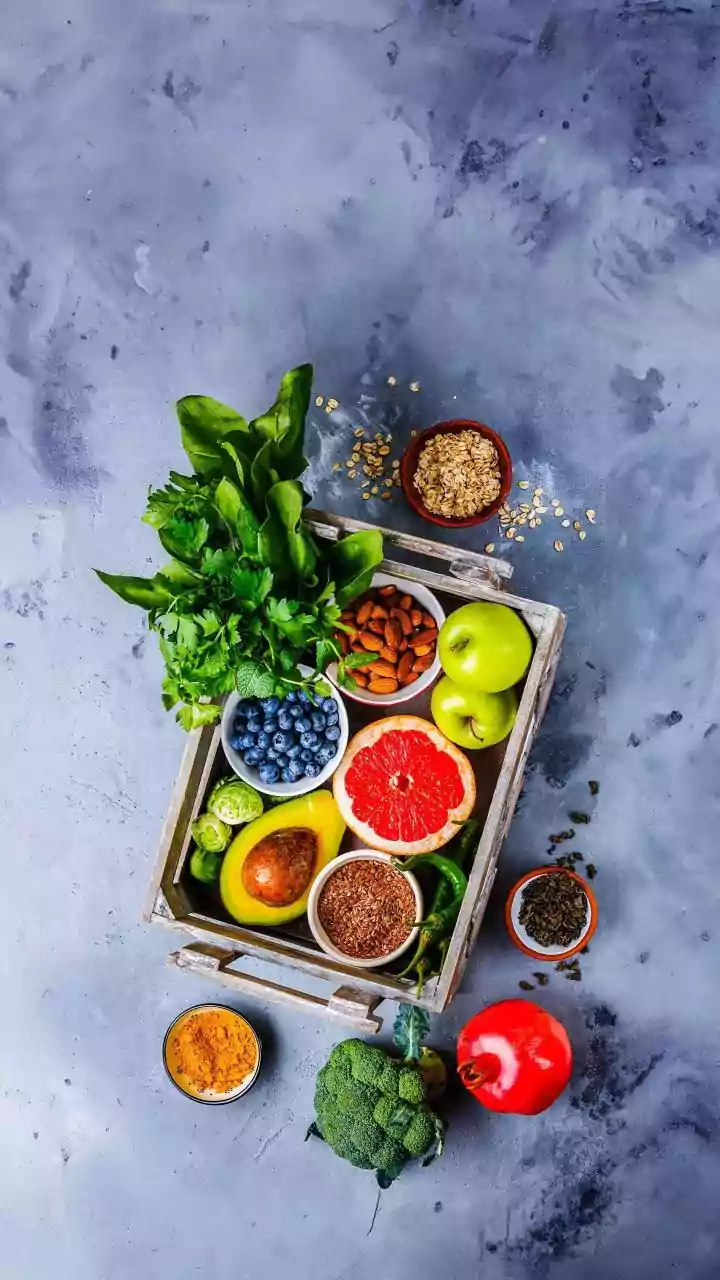
At the core of Shravan's dietary discipline is the concept of a 'sattvic' diet. In Ayurveda, foods are categorised by three qualities or 'gunas': sattva (purity, harmony), rajas (passion, activity), and tamas (inertia, dullness). A sattvic diet promotes clarity, calmness, and mental peace, making it ideal for a month of spiritual focus. This means avoiding 'tamasic' foods like meat, eggs, and alcohol, as well as 'rajasic' ingredients like onion and garlic, which are believed to agitate the mind. Instead, the emphasis is on fresh fruits, vegetables, whole grains, milk products, nuts, and seeds—foods that are light, pure, and life-giving. This conscious choice of food is believed to purify not just the body, but also the mind and spirit.
Ancient Wisdom for Monsoon Wellness
The dietary guidelines of Shravan are deeply rooted in the ancient science of Ayurveda. The monsoon season, or 'Varsha Ritu', is a time when the digestive fire, known as 'agni', is naturally weaker. High humidity can lead to sluggish digestion, bloating, and a higher risk of water-borne infections. The traditional Shravan diet—light, easily digestible, and freshly cooked—acts as a natural detox, giving the digestive system a much-needed rest. Avoiding heavy, oily, and non-vegetarian foods reduces the load on the gut, while eliminating leafy greens, which are prone to pests during this season, is a practical precaution. Thus, the spiritual practice aligns perfectly with a scientific approach to seasonal wellness.
From Fasting to Feasting: The Joy of Vrat ka Khana
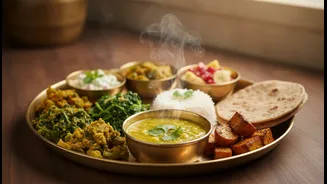
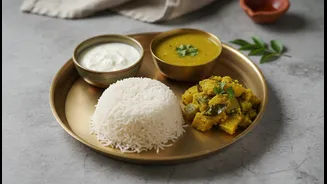
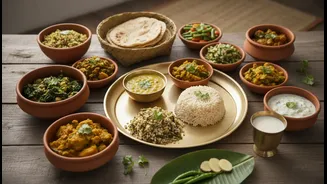
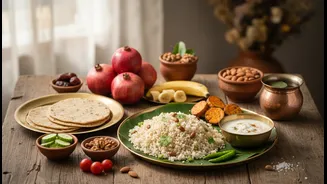
Shravan fasting is far from a bland affair; it inspires immense culinary creativity. 'Vrat ka khana' (fasting food) is a beloved tradition, showcasing how simple ingredients can be transformed into delicious meals. Kitchens come alive with preparations of sabudana khichdi, where tapioca pearls are cooked with peanuts and mild spices. Flours like kuttu (buckwheat), singhara (water chestnut), and rajgira (amaranth) are used to make flavourful puris, rotis, and cheelas. Vegetables like potatoes, sweet potatoes, and bottle gourd become the heroes of simple sabzis. These meals, seasoned with rock salt (sendha namak) and cooked in ghee, are not only permitted but are also incredibly nourishing, providing sustained energy throughout the day. This demonstrates that fasting is not about restriction but about discovering new ways to appreciate wholesome food.
Reconnecting in a Modern World
In today's fast-paced world, the traditions of Shravan offer a powerful opportunity to slow down and reconnect. The act of preparing a meal from scratch, using fresh ingredients, becomes a mindful practice. It brings families together in the kitchen, sharing recipes passed down through generations. For many, observing the Shravan diet is a welcome break from processed foods and restaurant meals, serving as an annual reset for the body and mind. It encourages a conscious relationship with food, where we think about what we eat and why we eat it. This month-long journey of simple, home-cooked meals fosters discipline, gratitude, and a deeper connection to both our cultural roots and our inner selves.