




What Exactly Is 'Skin Flooding'?
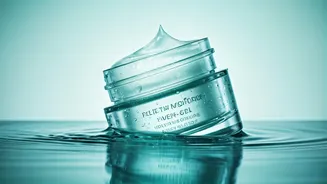
Don’t let the name intimidate you. 'Skin flooding' isn't about dousing your face in water. Instead, it’s a skincare technique focused on layering multiple lightweight, hydrating products to drench your skin in moisture. The goal is to move beyond a single,
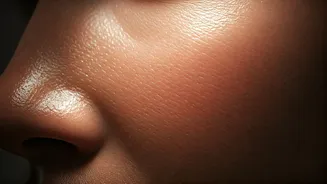
heavy cream and instead build up thin layers of hydration, allowing each one to penetrate deeply. Think of it like watering a thirsty plant. A small, steady supply of water is absorbed more effectively than one big, sudden flood. This method leaves your skin looking visibly plump, dewy, and incredibly smooth—creating an ideal base that helps makeup glide on seamlessly rather than sitting on top or clinging to dry patches.
Why It's a Game-Changer for Makeup
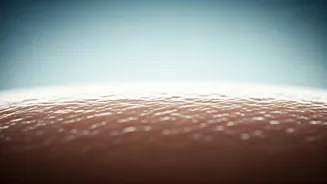
The magic of skin flooding lies in how it prepares your skin's texture. When skin is dehydrated, its surface is uneven and can be flaky. Foundation and concealer will inevitably catch on these dry areas, resulting in a cakey, patchy finish. Hydrated skin, on the other hand, is smooth and supple. This allows your foundation to blend effortlessly, requiring less product for better coverage. The result is a 'your skin but better' look that appears more natural and radiant. Furthermore, well-moisturised skin helps control excess oil production (as dehydrated skin often overcompensates by producing more oil), which means your makeup is less likely to slide off or break down throughout the day. It’s a prep step that enhances both the application and the longevity of your makeup.
A Step-by-Step Guide to Skin Flooding
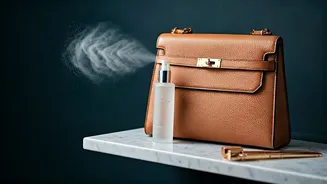
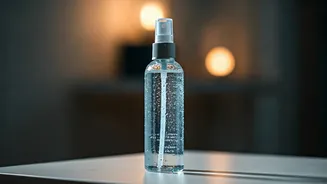
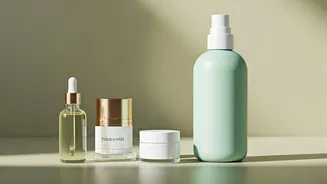
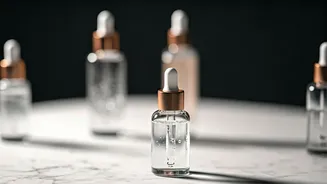
Achieving the look is simple and can be adapted using products you may already own. The key is the order and the technique. 1. **Start with a Clean, Damp Face:** After cleansing with a gentle face wash, gently pat your skin with a towel, but leave it slightly damp. Damp skin is more permeable and will absorb subsequent products more effectively. 2. **Apply a Hydrating Mist or Essence:** The first layer should be the most watery. Spritz a hydrating facial mist or press a watery essence into your skin. This provides an initial wave of moisture. 3. **Layer a Hyaluronic Acid Serum:** While your skin is still damp from the mist, apply a serum containing hyaluronic acid. This powerhouse humectant draws moisture from the environment and the other products into your skin, locking it in for that plump effect. 4. **Seal with a Moisturiser:** This is the final and most crucial step. Apply your favourite moisturiser to seal in all the hydrating layers you've just applied. This acts as a barrier, preventing the moisture from evaporating.
Customise It for Your Skin Type
Skin flooding is not a one-size-fits-all trend. To make it work for you, choose products suited to your skin's needs. * **For Oily or Acne-Prone Skin:** You can absolutely benefit from this! Dehydration is a common trigger for excess oil. Opt for lightweight, non-comedogenic products. Look for gel-based moisturisers, oil-free serums, and essences containing ingredients like niacinamide to help regulate sebum production. * **For Dry Skin:** This trend was made for you. Feel free to use slightly richer products. A milky toner, a serum with multiple molecular weights of hyaluronic acid, and a ceramide-rich cream moisturiser will provide deep, lasting hydration. You could even add a drop or two of facial oil into your moisturiser for an extra barrier. * **For Sensitive Skin:** Prioritise gentle, fragrance-free formulas. Look for products with calming ingredients like cica (centella asiatica), aloe vera, or oat extract. Always patch-test new products on a small area before applying them to your entire face.
Common Mistakes to Avoid
To get the most out of skin flooding, steer clear of a few common pitfalls. First, don't rush the process. Give each layer about 30-60 seconds to absorb before applying the next; this prevents pilling. Second, avoid layering too many active ingredients like retinoids or strong AHAs/BHAs within this routine, as it can lead to irritation. Stick to hydration-focused products. Finally, remember that more is not always more. One hydrating serum is usually sufficient. Overloading your skin with too many products can overwhelm it. The goal is strategic layering, not slathering.