








Ginger and Garlic
This powerful duo is a staple in Indian kitchens for a reason. Both ginger and garlic possess potent anti-inflammatory, antiviral, and antibacterial properties that are crucial for fending off common monsoon illnesses like colds and the flu. Incorporating
them into your daily cooking, whether in dals, sabzis, or a warm cup of tea, helps support a sluggish digestive system and strengthens your body's natural defences.
Turmeric
Known as the 'golden spice', turmeric is celebrated for its powerful immune-boosting capabilities. Its active compound, curcumin, is a strong anti-inflammatory agent that helps the body fight foreign invaders and repairs damage. A glass of warm 'haldi doodh' (turmeric milk) before bed or adding a generous pinch to your meals can help keep seasonal infections at bay.
Seasonal Gourds (Lauki, Turai)
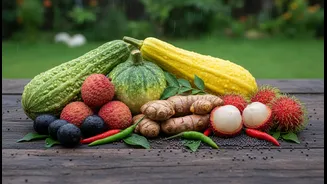
The monsoon brings an abundance of gourds like bottle gourd (lauki), ridge gourd (turai), and bitter gourd (karela). These vegetables are light, easy to digest, and have high water content. Ayurveda recommends them during this season because they don't put a strain on the digestive system, which is naturally weaker due to the humidity. They are best consumed cooked, in the form of soups or simple curries.
Pomegranate (Anar)
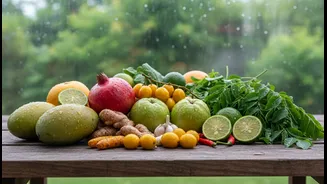
This jewel-toned fruit is an antioxidant powerhouse. Pomegranates are rich in vitamin C and compounds that help reduce inflammation and support heart health. Their nutrients can boost the production of infection-fighting cells, making them an excellent choice to keep your energy levels up and your immunity strong during the gloomy monsoon days.
Yogurt and Buttermilk (Dahi and Chaas)
Probiotic-rich foods are essential for maintaining a healthy gut, which is directly linked to a strong immune system. Fresh, homemade yogurt (dahi) and buttermilk (chaas) contain beneficial bacteria that help fight off harmful pathogens in your digestive tract. Having a bowl of dahi with your lunch or a glass of chaas can prevent common digestive issues like bloating and indigestion.
Moong Dal
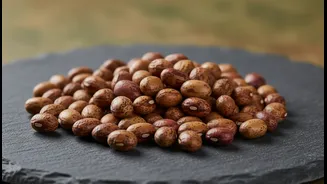
When it comes to protein during the monsoon, moong dal is one of the lightest and most easily digestible options. It provides essential nutrients without overburdening the gut. A warm bowl of khichdi made from rice and moong dal is considered a perfect monsoon meal in Ayurveda, as it's nourishing, comforting, and gentle on the stomach.
Jamun (Indian Blackberry)
As a quintessential monsoon fruit, jamun is perfectly designed for the season's needs. It is packed with vitamin C and iron, which help boost immunity and improve haemoglobin levels. Its antibacterial properties also offer protection against common infections that are rampant during the rainy months.
Warm Soups and Broths
Nothing is more comforting on a rainy day than a warm bowl of soup. Soups made from vegetables or lentils are not only hydrating and nourishing but also very easy to digest. Seasoning them with immune-boosting spices like black pepper and ginger enhances their benefits, helping to soothe a sore throat and keep your body warm.
Corn (Bhutta)
Roasted corn on the cob is a beloved monsoon snack for a good reason. It’s a good source of fibre, which aids digestion, a common concern during this season. Corn also contains antioxidants that help protect the body's cells from damage. It’s a healthier and more satisfying alternative to heavy, fried snacks.
Nuts like Almonds and Walnuts
A handful of nuts like almonds and walnuts can provide a significant boost of energy and nutrients. Almonds are a great source of Vitamin E, an important antioxidant for the immune system, while walnuts provide healthy omega-3 fatty acids. They make for a perfect, nutrient-dense snack to keep you energized.