

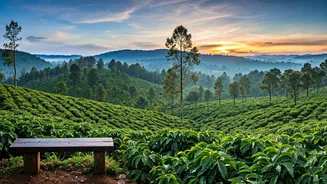



The Great Escape from Gridlock
Bengaluru’s traffic is legendary, often turning a short commute into a test of patience. The stress of navigating choked roads like the Outer Ring Road or Silk Board junction has become a powerful motivator for urbanites to seek refuge. A long weekend
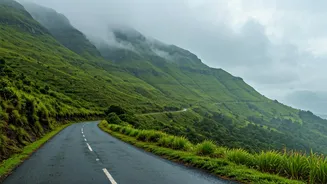
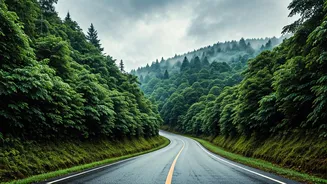
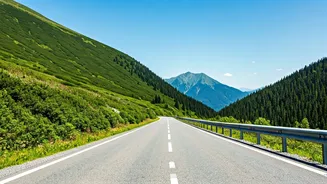
presents not just a break from work, but a desperate flight from the city's relentless pace. The desire for open roads, clean air, and a slower rhythm of life is pushing residents to look towards the rolling hills of the Western Ghats. Coorg, or Kodagu, has emerged as the premier destination for this mental and physical reset. The five-to-six-hour drive, once you clear the city limits, becomes a journey of transformation, where grey landscapes slowly dissolve into a vibrant, endless green.
Why Coorg's Coffee Trails Beckon
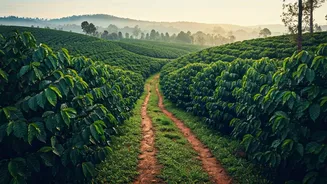
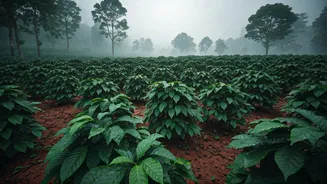
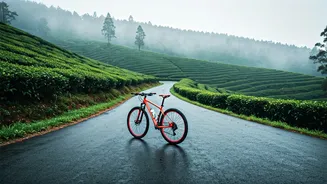
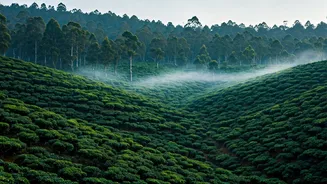
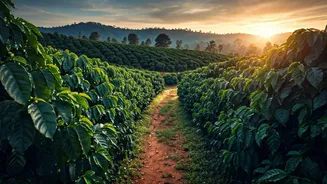
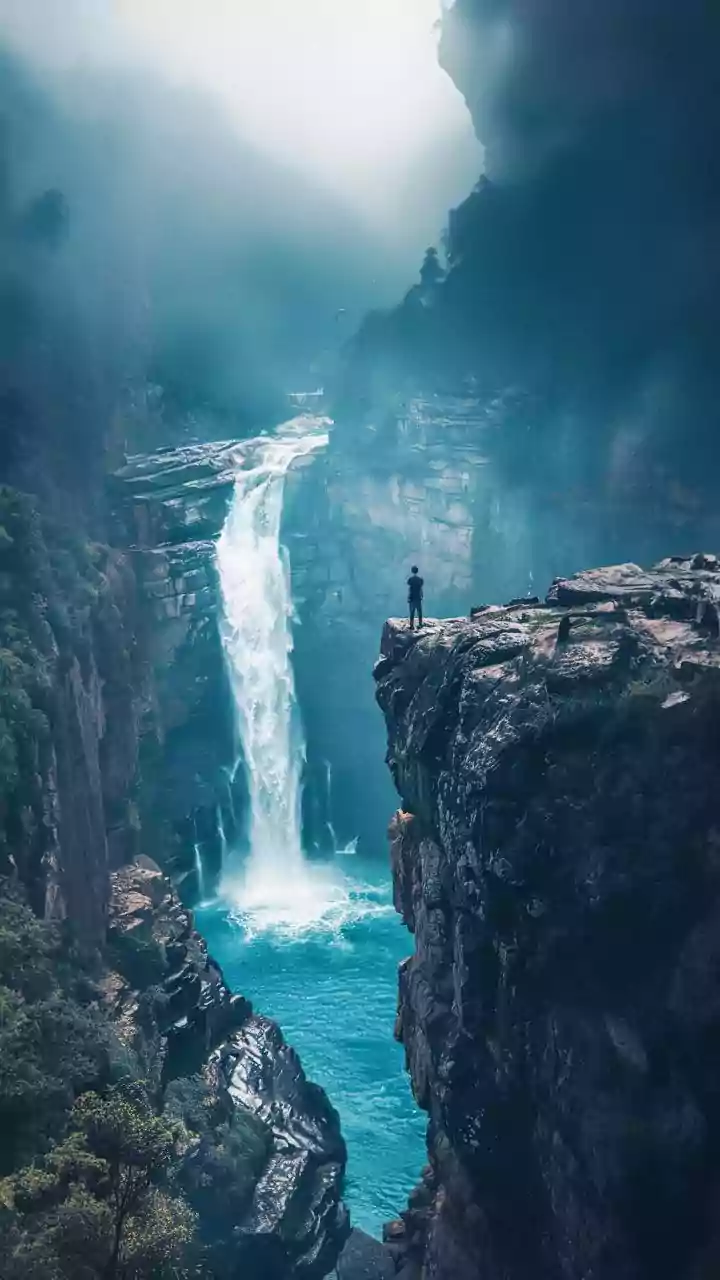
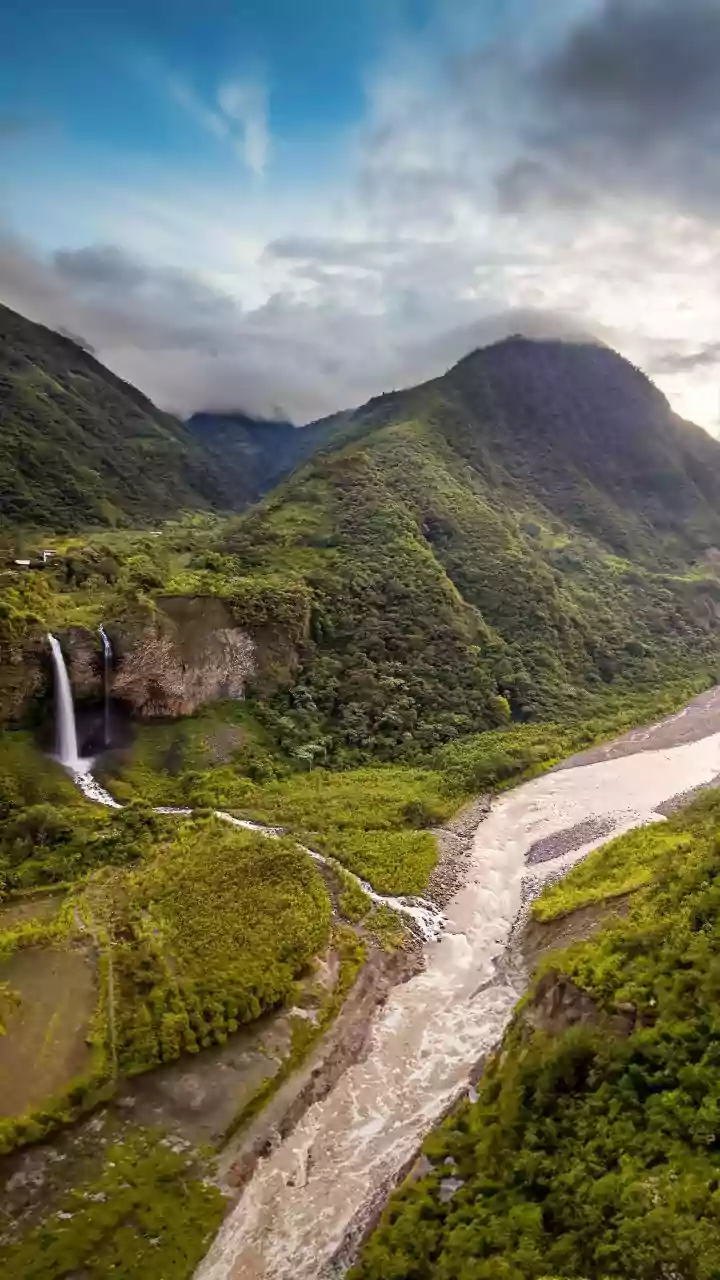
While Coorg offers misty hills and stunning waterfalls, its true soul lies in its coffee plantations. The region is the largest coffee producer in India, and its landscape is a fragrant tapestry of Arabica and Robusta plants shaded by towering trees. For a Bengalurean accustomed to the scent of vehicle exhaust, the aroma of coffee blossoms in bloom (typically February to March) or the earthy smell of the monsoons is a sensory revelation. The 'coffee trail' is not a single path but an entire experience. It's about disconnecting from digital notifications and reconnecting with nature. The silence, punctuated only by birdsong and the rustle of leaves, offers a profound sense of peace that city life simply cannot match.
More Than Just a Beverage
The experience goes far beyond simply drinking a good cup of coffee. Many estates offer guided 'plantation walks' that are both educational and immersive. Knowledgeable guides explain the entire bean-to-cup journey, from the delicate process of picking ripe coffee cherries (usually from November to January) to the methods of drying, processing, and roasting. Visitors can often participate in coffee-tasting sessions, learning to distinguish the subtle flavour notes of different roasts and blends. This hands-on experience transforms coffee from a mere morning ritual into an appreciation for the art, science, and hard work that goes into every cup. It builds a connection to the land and the people who cultivate it, adding a rich layer to the travel experience.
Living the Plantation Life: Homestays
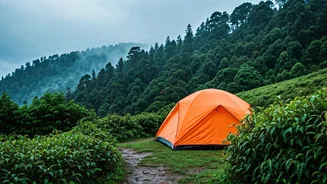
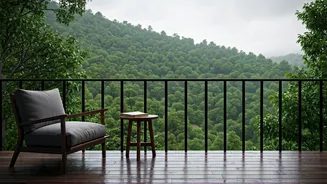
The best way to truly soak in the Coorgi atmosphere is by staying in a plantation homestay. These are not just places to sleep; they are gateways to the local culture. Many are ancestral homes run by generations of coffee planters, offering an authentic glimpse into the Kodava way of life. Waking up to a view of dew-kissed coffee plants, enjoying home-cooked Kodava cuisine (like the famous Pandi Curry), and sharing stories with your hosts over a freshly brewed cup is an experience in itself. Unlike impersonal hotels, these homestays provide a warm, personal touch that makes travellers feel like welcome guests rather than tourists. They are the heart of Coorg's appeal, providing a quiet, comfortable base from which to explore the surrounding beauty.
Planning Your Green Getaway
Planning a trip from Bengaluru to Coorg is straightforward. The best time to visit depends on what you want to experience. For lush greenery and gushing waterfalls, the monsoon season (June to September) is ideal. For the magical sight and scent of coffee blossoms, aim for late February and March. If you're interested in seeing the coffee harvest, plan your trip between November and January. To avoid the worst of the traffic, start your drive from Bengaluru early in the morning, preferably before 6 AM. While the main towns like Madikeri and Virajpet offer plenty of amenities, the real charm lies in the smaller, more remote estates. Booking a homestay in advance, especially during long weekends, is highly recommended to secure the best spots.