






Crafting the Pookalam
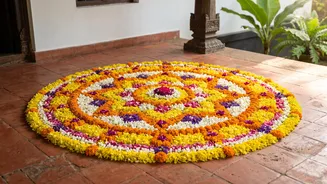
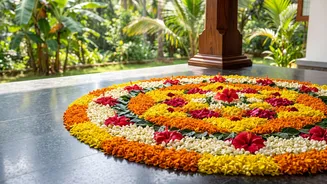
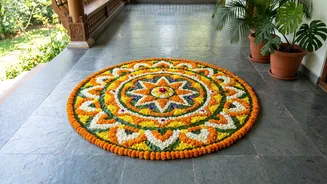
The most iconic visual of Onam is the Pookalam, an intricate floral carpet laid at the entrance of homes and public spaces. This art form, whose name translates to 'flower art,' is created to welcome the spirit of the benevolent King Mahabali. Traditionally,
the process begins on the first day of the festival, Atham, with a small, simple design. Each subsequent day, a new layer of flowers is added, making the Pookalam grow in size and complexity. While originally made with locally sourced flowers, today's designs incorporate a vast palette of colours. These circular masterpieces are more than just decoration; they are a vibrant expression of creativity, community, and the festive spirit of abundance.
Savouring the Onam Sadhya
No Onam is complete without the Onam Sadhya, an elaborate vegetarian feast that represents the prosperity and hospitality of Kerala. Served on a fresh banana leaf, a traditional Sadhya can feature more than 20 dishes, each with its own designated spot on the leaf. The meal is a carefully balanced symphony of flavours—sweet, sour, salty, and spicy. It begins with parippu (lentil curry) and ghee, followed by courses of sambar, rasam, and various vegetable preparations like avial and thoran. Accompaniments such as crispy banana chips, tangy pickles, and papadam add layers of texture and taste, culminating in the sweet delight of payasam, a traditional milk pudding.
Witnessing the Thrilling Vallam Kali
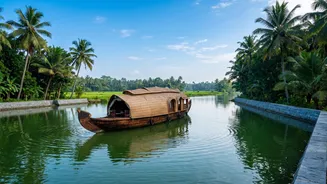
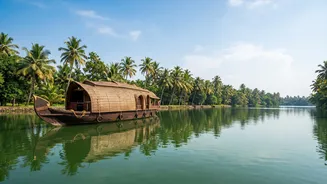
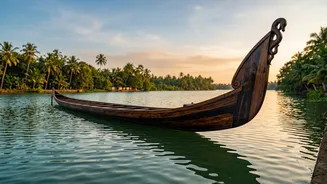
For a dose of high-octane excitement, nothing beats the Vallam Kali, or snake boat race. Held in the backwaters across the state, these races are a spectacular display of teamwork and power. The stars of the show are the 'chundan vallams'—long, graceful boats, often over 100 feet in length, carrying more than 100 rowers. Paddling in perfect unison to the rhythm of drums and the chants of traditional boat songs (vanchipattu), the teams create a mesmerising spectacle of speed and synchronisation. These races are not just a sport but a matter of immense pride for the participating villages, embodying a tradition that dates back centuries.
Enjoying the Playful Pulikali
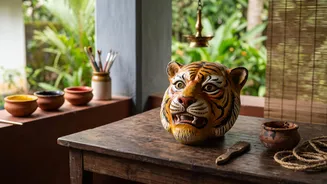
On the fourth day of Onam, the streets of Thrissur erupt with the vibrant energy of Pulikali, the 'tiger dance'. This unique folk art form sees performers paint their bodies in bold patterns of yellow, red, and black to resemble tigers and leopards. The transformation is painstaking, often taking hours to complete. Accompanied by the powerful beats of percussion instruments like the chenda and thakil, these 'tigers' dance through the streets, mimicking the movements of the animal and enacting scenes of a hunt. The tradition, said to be over 200 years old, was introduced by a former ruler of Cochin to celebrate Onam with a performance that reflected a wild and energetic spirit.
Embracing the Onam Kodi Tradition
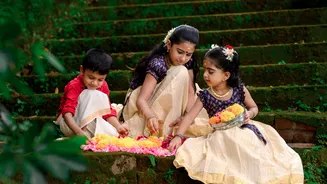
Onam is also a time for new beginnings, a sentiment beautifully captured by the tradition of Onam Kodi. This custom involves the gifting and wearing of new clothes to mark the festival. Traditionally, the eldest member of the family gifts new garments to everyone in the household. While this once meant it was the only time of year new clothes were purchased, the spirit of the tradition continues today. Many choose to wear traditional Kerala attire, such as the elegant off-white kasavu saree for women and the mundu for men, both distinguished by their golden borders. This act of renewal symbolises prosperity and the shedding of old sorrows to welcome a fresh start.