






Know Your Autumn Adversaries
The cooler, often damp weather of late autumn creates a welcoming environment for specific pests that can harm your flowering plants. The most common culprits for marigolds and chrysanthemums in India are sap-sucking insects. These include aphids, spider
mites, and thrips. Aphids are small, pear-shaped insects, often green, black, or brown, that cluster on new growth and the undersides of leaves, causing them to curl and yellow. Spider mites are tiny arachnids that are hard to see with the naked eye; their presence is often given away by fine webbing on the plant and a speckled, discoloured appearance on the leaves. Thrips are slender insects that scar petals and leaves, leaving a streaked or silvery look. Catching these infestations early is crucial.
The First Line of Defence: Prevention
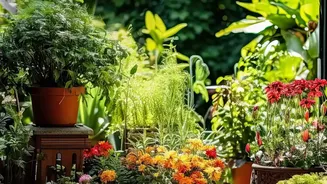
A healthy plant is the best defence against pests. Start by ensuring your marigolds and chrysanthemums have the right growing conditions. This includes at least six hours of sunlight and well-drained soil. Good air circulation is vital to prevent fungal diseases and discourage pests, so avoid overcrowding your plants. Water the plants at the base to keep the foliage dry, which can deter foliar nematodes and fungal growth. Regularly inspect your plants, paying close attention to the undersides of leaves and new buds where pests love to hide. Removing spent or withered flowers, a practice known as deadheading, not only encourages more blooms but also removes potential hiding spots for pests and diseases.
Gentle & Organic Solutions
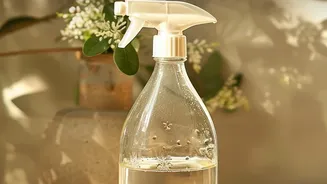
For minor infestations, start with the least toxic methods. A strong jet of water from a hose can physically dislodge aphids and spider mites from your plants. If that isn't enough, an insecticidal soap spray is a great next step. You can make your own by mixing a mild liquid soap, like castile soap, with water (about one tablespoon of soap per litre of water). This spray works on soft-bodied insects like aphids and mites but needs to be applied directly to them to be effective. Be sure to coat all surfaces of the plant, including the undersides of leaves, and reapply every few days or after rain.
The Power of Neem Oil
A staple in Indian households and gardens, neem oil is a powerful, natural tool. It acts as a repellent, an anti-feedant, and disrupts the growth cycle of many pests, including aphids, mites, and leafminers. To use it, mix pure neem oil with water and a small amount of liquid soap, which helps the oil and water emulsify. A standard ratio is about one to two teaspoons of neem oil and half a teaspoon of soap per litre of water. Spray this mixture thoroughly on your plants in the early morning or late evening to avoid burning the leaves in the direct sun. Consistent application is key to managing persistent pest problems.
Specific Care for Marigolds
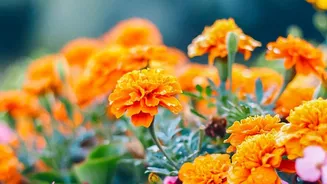
While marigolds themselves are famous for repelling certain pests like nematodes, they are not entirely immune. They can still be susceptible to aphids and spider mites. Interestingly, the strong scent of French marigolds (Tagetes patula) can deter insects like whiteflies. You can even create a homemade spray by blending marigold leaves and flowers with water, letting it steep, and then straining it. This can be used on other plants to deter pests, harnessing the marigold's natural defensive properties. Slugs and snails can also be an issue, especially in damp conditions; they chew irregular holes in leaves and flowers.
Protecting Your Chrysanthemums
Chrysanthemums can be particularly attractive to aphids, which cluster on tender new buds. They are also a target for leafminers, whose larvae tunnel through leaves, creating unsightly winding trails. Removing and destroying affected leaves is the best way to control a light leafminer infestation. Chrysanthemums themselves contain pyrethrum, a natural insecticide. You can make a spray by simmering dried chrysanthemum flowers in water, letting it cool, and straining the liquid. For severe infestations of any kind, always consider if the plant is stressed by its environment first, as healthy plants are better able to resist attacks.