




What Is Nilgiri Orthodox Tea?
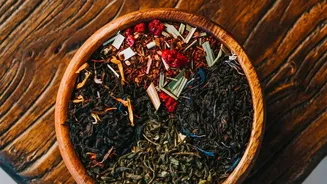
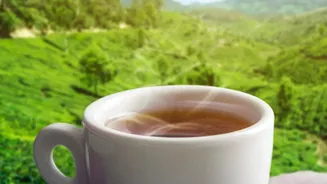
When you think of Indian tea, Assam and Darjeeling usually come to mind. But nestled in the southern Western Ghats are the Nilgiri Hills, or “Blue Mountains,” one of India’s three major tea regions. Teas here are grown at high altitudes, often up to 8,000
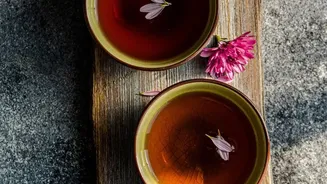
feet, where the unique climate with two monsoon seasons creates exceptionally aromatic leaves. While much of the region’s output is machine-processed for tea bags, its “orthodox” teas are made using traditional methods that preserve the whole leaf. This careful process results in a more complex and refined flavor, with a bright, golden liquor that is intensely fragrant.
The Perfect Match: Why Nilgiri Shines in a Cold Brew
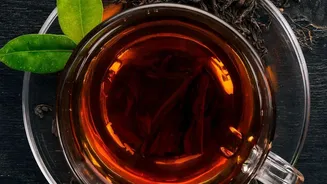
Not all black teas are created equal, especially when brewed cold. Many can become cloudy or develop a harsh, bitter edge. Nilgiri orthodox tea, however, is uniquely suited for the task. It is naturally low in tannins, the compounds that cause astringency and bitterness. The cold-brewing process extracts even fewer of these tannins, resulting in a drink that is remarkably smooth, naturally sweet, and easy on the stomach. Instead of bitterness, the cold water gently coaxes out the tea’s delicate notes of fruit, flowers, and citrus. The result is a crisp, clean, and vibrant iced tea that stays perfectly clear when chilled, looking as good as it tastes.
The Health Argument: Ditching the Bottle for Good
The biggest drawback of most commercial bottled iced teas is sugar. A single bottle can contain as much sugar as a can of soda, often in the form of high-fructose corn syrup. Homemade cold brew, on the other hand, puts you in complete control. Nilgiri’s natural sweetness means it requires little to no added sugar to be enjoyable. Furthermore, store-bought teas often lose a significant portion of their antioxidant content during pasteurization and processing. Freshly brewing at home preserves these beneficial compounds, such as polyphenols and flavonoids, which are linked to heart health and a boosted immune system. By making your own, you get a zero-calorie, preservative-free beverage with maximum flavor and health benefits.
How to Make the Perfect Nilgiri Cold Brew
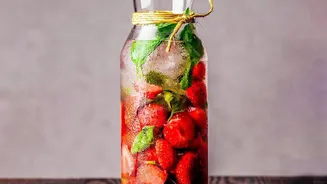
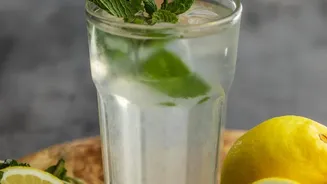
Making this refreshing drink couldn’t be simpler. You don't need any special equipment—just a pitcher or a large jar. For a classic recipe, combine about 4-5 grams of loose-leaf Nilgiri orthodox tea (roughly two tablespoons) for every 32 ounces of cold, filtered water. Give it a gentle stir, cover it, and place it in the refrigerator for 8 to 12 hours, or overnight. In the morning, simply strain out the leaves. The tea is ready to drink as is, or you can serve it over ice with a slice of lemon or a sprig of mint to complement its natural citrusy notes. Because it's so smooth, it doesn't need sugar, but a small dash of honey can be added if you prefer a little extra sweetness.
A Smarter, More Sustainable Sip
Beyond the superior taste and health advantages, switching to homemade cold brew is also a more sustainable and economical choice. You drastically reduce plastic bottle waste, and the cost per serving is a fraction of what you'd pay for a pre-packaged drink. It’s a small, simple upgrade that elevates your daily refreshment from a sugary convenience product to an elegant, artisanal beverage. It represents a return to enjoying tea for its inherent qualities: nuanced flavor, natural aroma, and gentle, hydrating refreshment. By exploring Nilgiri, you're not just making a better iced tea; you're discovering one of the tea world's most versatile and rewarding hidden gems.