








Beyond the Gym: Fitness as Urban Design
When we think of fitness, we often picture gyms or personal workout routines. But true preventive health starts long before that—it's built into the world around us. Preventive fitness policy is the idea that governments and urban planners have a responsibility
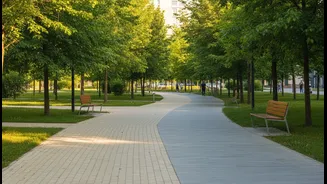
to create environments that naturally encourage physical activity. Instead of just treating diseases that arise from sedentary lifestyles, this approach aims to stop them before they start. This means designing cities where walking and cycling are not just possible, but are safe, convenient, and enjoyable options for daily travel. It’s a shift from viewing fitness as an individual burden to seeing it as a collective, environmental opportunity. The core idea is that the healthiest choice should be the easiest choice, and our city's design plays a huge role in that.
From Policy to Pavement
So how does an abstract policy translate into a tangible reality on our streets? It starts with a deliberate shift in priorities and budgets. For example, Chennai adopted a policy that requires at least 60% of its transport budget to be spent on infrastructure for non-motorised transport. This funding is used for concrete changes like widening pavements, creating dedicated and protected cycle lanes, improving lighting, and making intersections safer for pedestrians. National initiatives like the Smart Cities Mission and Atal Mission for Rejuvenation and Urban Transformation (AMRUT) have also pushed cities to prioritise walking and cycling. Cities like Pune, Chandigarh, and Udaipur are creating networks of cycling tracks and pedestrian-friendly zones, showing how policy can directly reshape the urban landscape. These changes make active transport a viable choice for commuting to work, running errands, or simply getting around, rather than a dangerous adventure.
An Investment in Public Health and Wealth
Investing in walkable and bikeable cities is one of the most effective public health interventions available. Studies show that people living in activity-friendly neighbourhoods get significantly more physical activity per week. This increased movement is linked to lower rates of obesity, diabetes, and hypertension. The benefits extend beyond physical health; accessible green spaces, which are often part of these initiatives, are proven to reduce stress and improve mental well-being. There's a strong economic case as well. Fewer chronic diseases mean lower healthcare costs for the state and for individuals. Furthermore, reducing traffic congestion and road accidents saves billions. By making cities more pleasant, these policies also boost local economies as people are more likely to linger and shop in pedestrian-friendly areas.
Making Movement Equitable for All
A crucial aspect of preventive fitness policy is ensuring that its benefits are shared by everyone, not just residents of affluent neighbourhoods. Historically, infrastructure development has often bypassed low-income areas, where residents are frequently most reliant on walking, cycling, and public transport. Effective policy ensures that safe footpaths, cycle lanes, and well-maintained parks are built where they are needed most. It’s also about integration. Safe and seamless connectivity to public transport hubs is vital, as walking or cycling often forms the first and last mile of a journey. Initiatives like Bengaluru's "Cycle Day," which temporarily closed streets to traffic, demonstrated the powerful community demand for safer public spaces and helped drive investment in permanent infrastructure. Ultimately, the goal is to dismantle physical and social barriers to movement, creating a city that is accessible and healthy for all its citizens, regardless of age, ability, or income.