







The New Capitals of Consumption
The traditional engines of Indian retail—Delhi, Mumbai, and Bengaluru—are no longer the only game in town. A profound shift is underway, with smaller cities emerging as the new frontiers of growth. Cities such as Jaipur, Lucknow, Coimbatore, Nagpur, and Indore
are rapidly transforming into significant consumption hubs. According to recent industry reports, e-commerce orders from non-metro areas now account for over 60% of all transactions in India, a clear signal that purchasing power is becoming more geographically diverse. This isn't just about basic needs; it’s about premium and even luxury goods. For instance, more than half of the business for luxury platform Tata CLiQ now comes from non-metro locations, with customers in cities like Ranchi, Jamshedpur, and Patna making high-value purchases. Even global luxury watch brands and premium coffee chains are expanding their footprint in cities like Coimbatore, Jaipur, and Surat to cater to this growing demand.
What's Fuelling the Fire?
Several powerful forces are converging to drive this trend. First and foremost is the rise of a digitally connected populace. With India expected to hit one billion smartphone users by 2026, driven by growth in rural and semi-urban areas, access to the world of e-commerce has exploded. Cheap data and the ubiquity of UPI have turned smartphones into virtual shopping malls, dismantling the barriers that once limited access to brands in smaller towns. This digital bridge is reinforced by rising disposable incomes. As economic opportunities expand beyond the metros, more households are moving into the middle-income bracket, freeing up money for discretionary spending. The influence of social media also plays a critical role, creating a pan-India landscape of aspirations where a consumer in a smaller town desires the same brands and lifestyles they see online as their metro counterparts.
From Needs to Aspirations
The most telling aspect of this shift is not just that people are spending more, but *what* they are buying. The consumption pattern is moving decisively from necessity to aspiration. Consumers in Tier 2 and 3 cities are increasingly choosing branded, higher-quality, and premium products over basic alternatives. This trend, known as premiumisation, is visible across categories, from electronics and fashion accessories to personal care and packaged foods. It’s a move from unbranded to branded goods, signalling a desire for quality and status. Furthermore, spending is also shifting towards experiences. A recent report highlights that Indian consumers are projected to increase their spending on travel, hospitality, and leisure at a faster rate than on physical goods by 2030, a trend driven by younger generations who prioritise creating memories.
How Brands Are Responding
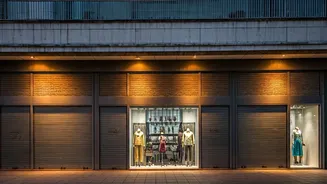
Smart brands, both Indian and international, are taking notice and recalibrating their strategies. The one-size-fits-all metro-focused approach is becoming obsolete. Companies are now using pin-code level e-commerce data to identify emerging demand clusters and plan their physical store expansions accordingly. This has led to an increase in mall development in cities like Lucknow, Chandigarh, and Coimbatore. Many brands are adopting an omnichannel strategy, integrating their online presence with physical stores, WhatsApp marketing, and regional influencers to connect with local audiences. To capture the aspirational-yet-price-conscious consumer, some FMCG companies are introducing premium products in smaller, more affordable pack sizes. This allows consumers to experience higher-quality goods without a significant financial commitment, effectively building a bridge to future loyalty.