


Current Situation: A Region on Alert
As of early August 2026, Himachal Pradesh is grappling with an intense monsoon spell, leading to widespread travel disruptions. The India Meteorological Department (IMD) has issued orange alerts for several districts, warning of heavy to very heavy rainfall.
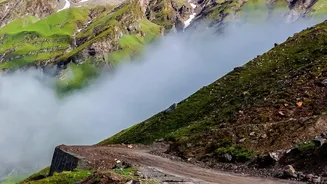
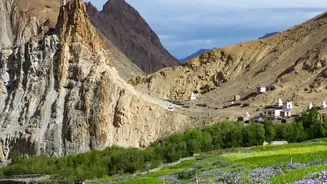
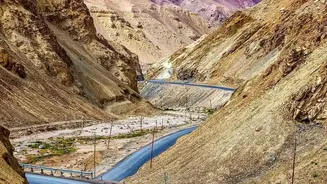
This has resulted in numerous landslides and road closures across the state, with over 160 roads reported blocked as of August 8. Districts like Mandi and Kullu, which form crucial entry points to the Spiti region, are among the worst affected. While Spiti Valley itself is a rain-shadow region and receives significantly less rainfall, the approach roads are highly vulnerable to the monsoon's fury. Authorities are advising tourists to avoid non-essential travel and to be extremely cautious.
The Shimla to Kaza Route: The Safer Bet
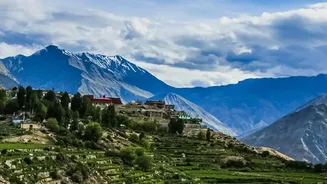
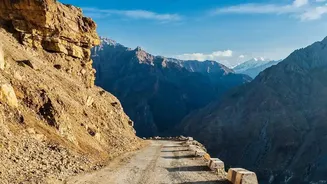
The route to Spiti via Shimla and Kinnaur (NH-5) is generally considered the more stable and reliable option during the monsoon. Its gradual ascent allows for better acclimatisation and the road conditions are typically better than the Manali axis. However, it is not without risks. This highway is prone to landslides and rockfalls, particularly in stretches past Rampur and near areas like Malling Nalla and Negulsari. Even with the main highway open, link roads can be blocked, and travellers must remain vigilant. Despite these challenges, it remains the recommended entry route for those attempting the journey in August, as it avoids the more treacherous high passes of the Manali side.
The Manali to Kaza Route: High Risk and Unpredictable
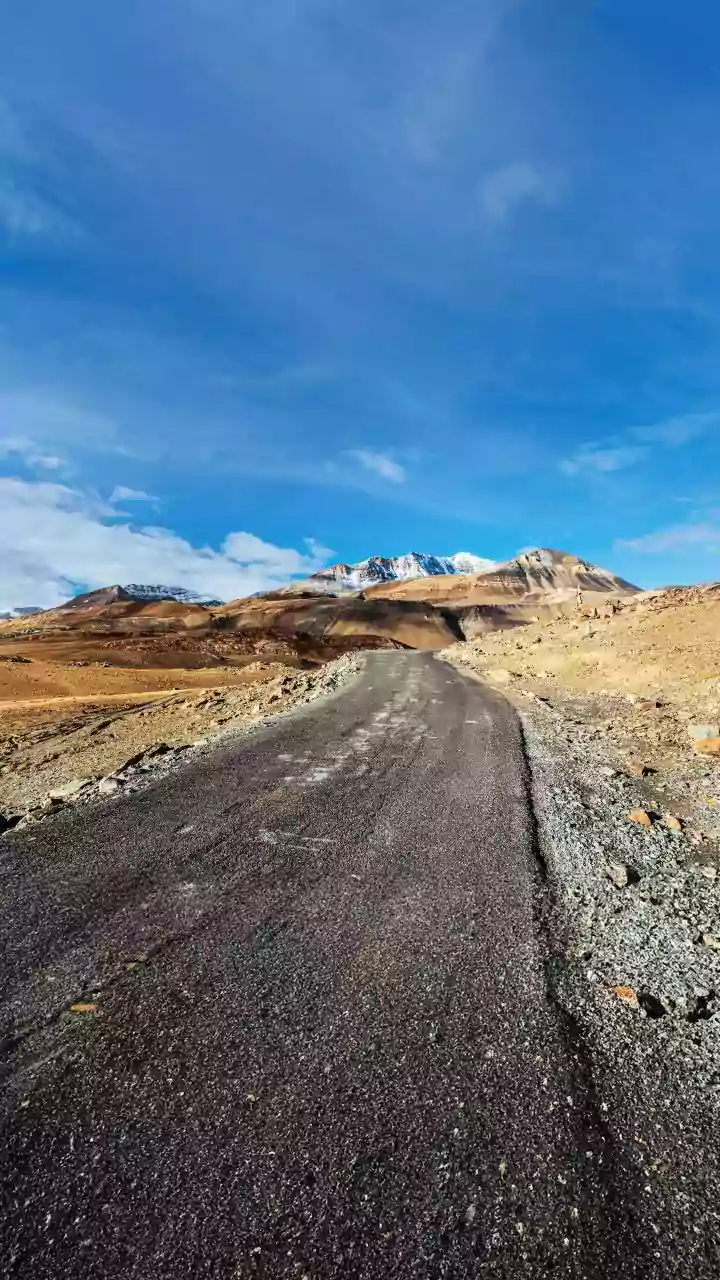
The Manali-Kaza highway, which crosses the high-altitude passes of Rohtang (or Atal Tunnel) and Kunzum Pass, is notoriously difficult during the monsoon. This route is seasonal, typically opening in late May or early June. While it is currently reported as open for 4x4 vehicles, the stretch from Gramphu to Batal is extremely rough, with multiple water crossings and slush. These glacial streams can swell dangerously and unpredictably after rainfall, making crossings hazardous. Given the heavy rains in the Kullu and Mandi regions, which feed into this route, the risk of getting stranded is significantly high. Most travel advisories suggest avoiding this route for entry in August, or at the very least, confirming its status on the day of travel.
Official Advisories and Safety Measures
State authorities and the IMD have strongly advised tourists to reconsider travel plans to high-altitude areas during this active monsoon phase. Key warnings include staying away from rivers and streams, which can rise suddenly, and avoiding travel during periods of heavy rain, especially at night. The State Emergency Operation Centre is actively monitoring the situation, with hundreds of roads blocked across various districts. For those who must travel, it is imperative to check with local authorities, the HP Police traffic pages, or the Border Roads Organisation (BRO) for real-time updates before starting your journey.
Essential Tips for Monsoon Travellers
If you decide to travel despite the warnings, preparation is key. Always choose the Shimla-Kinnaur route for your entry into Spiti. Build several buffer days into your itinerary to account for potential road closures and delays. Travel only during daylight hours and start early to cross vulnerable stretches and water crossings when water levels are typically lower. A high-clearance 4x4 vehicle is highly recommended. Pack essential supplies, including extra food, water, warm layers, waterproof gear, and a first-aid kit. Mobile connectivity is sparse to non-existent in many parts, so inform your family of your itinerary and do not rely on GPS in remote areas. Most importantly, be prepared to turn back or wait if conditions are unsafe. The mountains are unforgiving, and no destination is worth risking your life for.