



Why Eating Seasonally Matters
Following a seasonal food calendar is a practice deeply rooted in Indian traditions, and for good reason. When fruits and vegetables are harvested at their peak, they are more flavourful and packed with nutrients. Out-of-season produce is often grown
in artificial conditions or transported over long distances, losing nutritional value along the way. Eating seasonally also means your diet naturally varies throughout the year, which is great for gut health. Plus, it's often more affordable and better for the environment, as it supports local farmers and reduces the carbon footprint associated with food transportation.
The Curry vs. Stir-Fry Framework
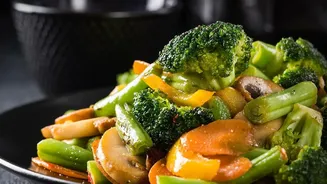
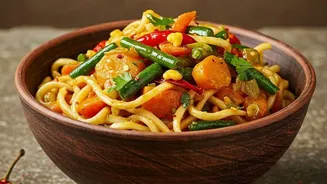
Here’s a simple framework to make seasonal eating intuitive: think about how different vegetables cook. Many classic Indian curries involve simmering ingredients, allowing flavours to meld and tougher vegetables to become tender. In contrast, a stir-fry uses high, quick heat to cook vegetables so they remain crisp. This distinction is the secret to unlocking your seasonal kitchen. Some vegetables are born for the slow, loving embrace of a curry, while others are destined for the quick, energetic dance of a stir-fry. Planning your meals around this choice makes it easier to use the best of what each season offers.
The Winter Basket: Built for Curries
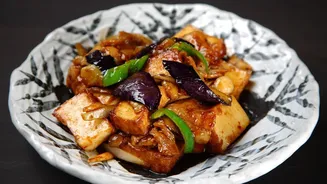
Winter in India brings a bounty of hearty, dense vegetables that are perfect for slow cooking. Root vegetables like carrots, beetroot, and turnips, along with cruciferous vegetables such as cauliflower and cabbage, are at their absolute best. These vegetables often develop a sweeter, richer flavour in the colder weather. Their firm textures hold up beautifully when simmered in fragrant, spiced gravies. Think of a classic Aloo Gobi, a comforting carrot and pea curry, or a rich stew made with pumpkin and other root vegetables. These dishes are warming and deeply nourishing, exactly what the body craves during cooler months.
Monsoon and Summer: The Stir-Fry Shines
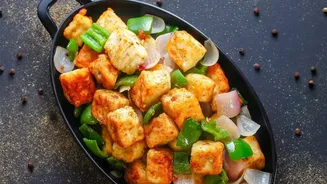
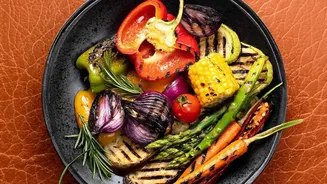
The warmer, more humid months of monsoon and summer offer vegetables that cook quickly. Leafy greens like spinach, fast-cooking vegetables like okra (bhindi), and various gourds (lauki, turai) are abundant. These ingredients are ideal for quick stir-fries that preserve their texture and freshness. Overcooking them in a heavy curry can result in a mushy texture. A simple stir-fry with minimal spices allows their natural flavours to stand out. Even vegetables like bell peppers (capsicum) and beans, which are available in multiple seasons, lend themselves well to this high-heat cooking method that keeps them tender-crisp.
A Flexible Calendar for Your Kitchen
This curry-versus-stir-fry model is a starting point, not a strict rule. India's diverse climates mean a 'winter vegetable' in the north might differ from one in the south. The best way to build your personal produce calendar is to visit your local sabzi mandi or farmers' market. See what is abundant, fresh, and well-priced. Let the market be your guide. A vegetable's ideal cooking method often reveals itself in its texture—firm and dense vegetables can typically handle longer cooking times, making them great for curries, while delicate, tender ones are best cooked quickly. Experiment and discover the combinations that work best for you and your region.