


The Golden Rules of Travel Food
Before you even start cooking, it helps to understand what makes food suitable for a long journey. The two most important factors are 'holding time' and 'low-mess potential'. Holding time refers to how long a food item can stay fresh and safe to eat without
refrigeration. This is crucial in India's often warm climate. Low-moisture foods are your best friends here. Think of dry snacks, roasted items, and certain types of flatbreads. The second rule is opting for low-mess, easy-to-eat portions. Anything that can be eaten by hand without dripping, spilling, or requiring elaborate assembly is a winner. No one wants to deal with curry stains on a bumpy bus ride. Following these principles is the first step to mastering the art of travel food.
The Undisputed Champions: Dry Snacks
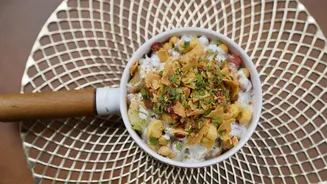
Dry snacks are the backbone of any travel food kit. They are lightweight, have an excellent shelf life, and provide a quick energy boost. Classics like Gujarati thepla and khakhra are perennial favourites for a reason; they are tasty, filling, and can last for days. Other fantastic options include mathri, chakli, roasted makhana (fox nuts), and chivda (a spiced mix of flattened rice and nuts). These items are not just convenient but also represent the rich diversity of Indian snacking culture. A well-stocked container of mixed spiced nuts—almonds, cashews, and walnuts—also provides sustained energy and healthy fats, making it a smarter choice than many packaged alternatives.
More Substantial, Still Simple: Homemade Meals
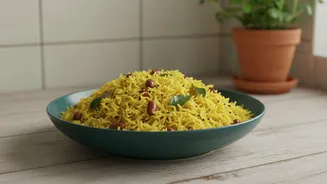
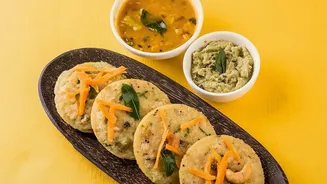
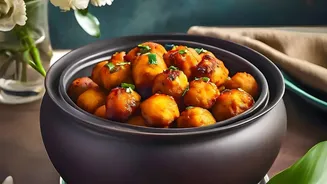
Snacks are great, but for longer journeys, you need more substantial meals. This is where classic Indian 'tiffin' meals shine. A combination of puri with a dry potato sabzi is a travel staple for many North Indian families, as it tastes great even when cold and can last for a day or two. For South Indian options, consider lemon rice or tamarind rice (puliyodharai); the acidity from the lemon or tamarind acts as a natural preservative. Idlis, packed with a dry chutney powder (podi) instead of a wet chutney, are another excellent, mess-free choice. The key with these meals is to ensure any accompanying vegetable dish is dry, avoiding excess oil or gravy that could spill or spoil.
Hydration, Health, and Fruits
Eating right is only half the battle; staying hydrated is just as important. Always carry a reusable water bottle. Beyond water, drinks like homemade nimbu pani (lemonade) or buttermilk (chaas) stored in a flask can be incredibly refreshing. When it comes to fruits, choose wisely. Bananas, apples, and oranges are easy to carry and peel, making them convenient and healthy additions. Avoid fruits that bruise easily or are very juicy and messy. It’s also wise to pack some digestive aids like ajwain (carom seeds) or mints to handle any travel-related indigestion. These small additions can make a huge difference in your overall comfort.
Smart Packing for a Clean Journey
How you pack is as important as what you pack. Use airtight and leak-proof containers to prevent spills and keep food fresh. Wrapping items like parathas or sandwiches in aluminium foil before placing them in a container adds an extra layer of protection and freshness. Always carry a small 'cleanup kit' consisting of paper napkins, wet wipes, and a few disposable bags. This allows you to clean your hands before and after eating and to collect any waste neatly for disposal at the next stop, keeping your seating area clean and respecting fellow passengers. Pre-portioning meals into individual servings can also make distribution and eating much easier, especially when travelling with family or in a group.