





Core Challenge: Seated Stability vs. Standing Balance
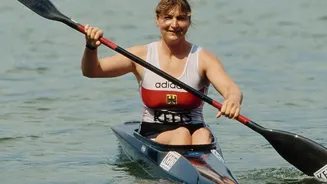
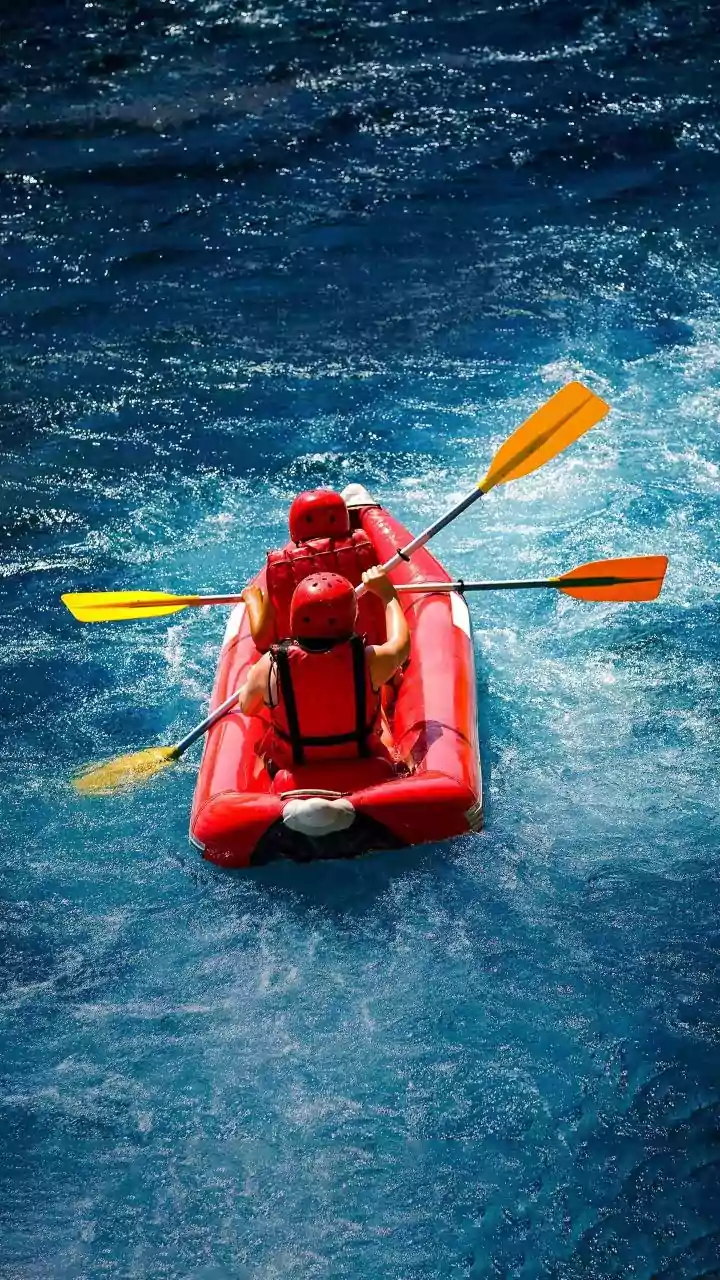
The most fundamental difference between kayaking and stand-up paddleboarding (SUP) lies in your position. In a kayak, you are seated, which provides a stable, low centre of gravity. The core workout in kayaking comes from rotating your torso with each
paddle stroke to generate power. This heavily engages your obliques and abdominal muscles in a dynamic, twisting motion. In contrast, paddleboarding requires you to stand on a board that is constantly reacting to the water's movement. This means your core is working nonstop to maintain balance, engaging deep stabiliser muscles in your abdomen, hips, and back. Even during a gentle paddle, your body is making micro-adjustments, making SUP an exceptional tool for improving balance and postural strength.
Muscle Engagement: Upper Body Power vs. Full-Body Burn
If your goal is building upper-body strength, kayaking is a powerhouse. A proper kayaking stroke is a pulling motion that primarily recruits the large muscles of your back (latissimus dorsi), shoulders (deltoids), and arms. While your legs brace against the footrests for added power, the workout is overwhelmingly concentrated in your upper body and core. Paddleboarding, on the other hand, delivers a true full-body workout. Your legs and glutes are constantly engaged to stabilise the board, while your core works to maintain balance. The paddling motion itself still works the arms, shoulders, and back, but the continuous effort required from your lower body to simply stay upright means more total muscles are activated throughout the session.
Intensity and Calorie Burn: Steady Cardio vs. Constant Effort
When it comes to burning calories, intensity is key for both activities. However, paddleboarding often has a higher baseline calorie burn. The constant need to balance engages more muscles simultaneously, which can lead to burning between 400 to 700 calories per hour, depending on conditions and pace. Kayaking, which is generally less demanding from a stability standpoint, burns roughly 300 to 500 calories per hour at a moderate pace. Both sports are excellent for cardiovascular health, as they are low-impact activities that raise your heart rate. Kayaking can be ideal for long, steady-state cardio sessions, while paddleboarding's full-body demand can feel more intense over shorter periods, especially in choppy water.
The Accessibility Factor: Learning Curve and Conditions
For complete beginners, kayaking often feels more stable and easier to start. The seated position lowers your centre of gravity, making you less likely to tip. You can focus on learning the paddling stroke without the added challenge of balancing on your feet. Paddleboarding has a steeper initial learning curve related to balance, but many find the basic paddling technique straightforward once they are comfortable standing. Weather also plays a different role. Wind can be a significant challenge on a paddleboard, as your standing body acts like a sail. A kayak sits lower in the water and is generally more efficient for paddling over longer distances or in windy conditions.