



The Appeal of a Fruity Facial
It’s a trend that makes perfect sense on the surface. Why throw away peels when they contain beneficial compounds? Many peels, particularly from citrus fruits, are known to have antioxidants, flavonoids, and some vitamin C. In powdered form, they can
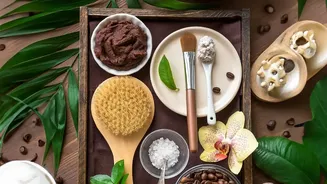
offer mild physical exfoliation, helping to buff away dead cells for a temporarily smoother look. The process feels wholesome and a world away from complex chemical formulations. For those with oily skin, the powder can even absorb some surface oil. This back-to-basics approach promises a fresh glow using ingredients straight from your kitchen, which is a major draw for anyone pursuing a more natural lifestyle.
Why Winter Makes Your Skin Vulnerable
Winter weather poses a significant challenge to our skin's health. The combination of cold, dry air outside and indoor heating creates an environment that strips moisture from your skin. This weakens the skin barrier—the outermost layer responsible for locking in hydration and keeping irritants out. A compromised barrier leads to increased water loss, causing symptoms like tightness, dryness, flaking, and heightened sensitivity. Products that your skin tolerates perfectly fine in the summer might suddenly cause stinging or redness in the winter. This pre-existing vulnerability means that applying potentially harsh substances, even natural ones, can easily tip the skin into a state of irritation.
The Problem with Citrus Peels
While full of good-for-you compounds when ingested, citrus peels can be problematic when applied directly to the skin. Lemon juice, for example, is highly acidic, with a pH that can disrupt your skin's natural balance and cause stinging. Furthermore, many citrus peels contain oils and compounds called psoralens, which are phototoxic. This means they can make your skin extremely sensitive to sunlight, leading to burn-like reactions or patches of dark pigmentation when exposed to UV rays. While sweet orange is considered lower risk than lemon or lime, homemade preparations are not standardized, making their effects unpredictable. Using these peels can create micro-tears in the skin barrier, leading to redness and inflammation.
Know the Signs of Irritation
It's crucial to distinguish between a gentle tingle and a cry for help from your skin. Signs of irritation from a DIY fruit peel treatment can range from mild to severe. Look out for redness, persistent stinging, or a burning sensation that doesn't subside quickly. Other warning signs include visible flaking or peeling, itchiness, swelling, or the development of new dark spots, a condition known as post-inflammatory hyperpigmentation. If you experience any of these symptoms, it's best to stop using the DIY treatment immediately and focus on soothing your skin with gentle, fragrance-free products.
A Safer Way to Use Fruit Peels
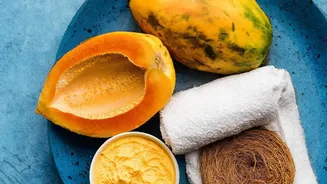
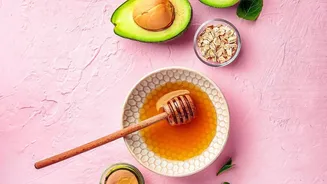
If you're still keen to try, caution is your best friend. Always perform a patch test on a small, discreet area of skin before applying any mixture to your entire face. Opt for gentler fruits known for their soothing or hydrating properties, such as banana, papaya, or avocado peels. Instead of rubbing a coarse peel directly on your skin, you can use the soft inner side. When using powdered peels, mix them with a calming buffer agent like yogurt, honey, or aloe vera to dilute their intensity. Limit application time to 5-10 minutes and use these treatments sparingly—no more than once a week to avoid over-exfoliating a skin barrier that's already under winter stress.
Dermatologist-Approved Alternatives
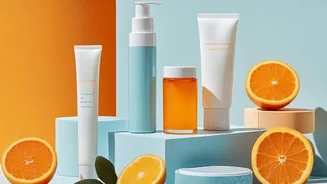
For those who want the brightening and exfoliating benefits of fruit acids without the risks of DIY methods, professionally formulated products are the safest bet. Cosmetic chemists formulate skincare with precise concentrations of acids like glycolic or lactic acid at a pH that is effective yet safe for home use. These products are stabilized and tested for safety, which is something you can't guarantee with a lemon from your fridge. During winter, look for gentle hydrating cleansers and moisturizers containing barrier-supporting ingredients like ceramides and hyaluronic acid to keep your skin resilient. These will provide a healthy glow without compromising your skin's health.