



The Evolution of Afternoon Tea
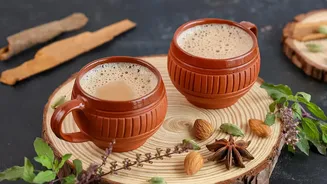
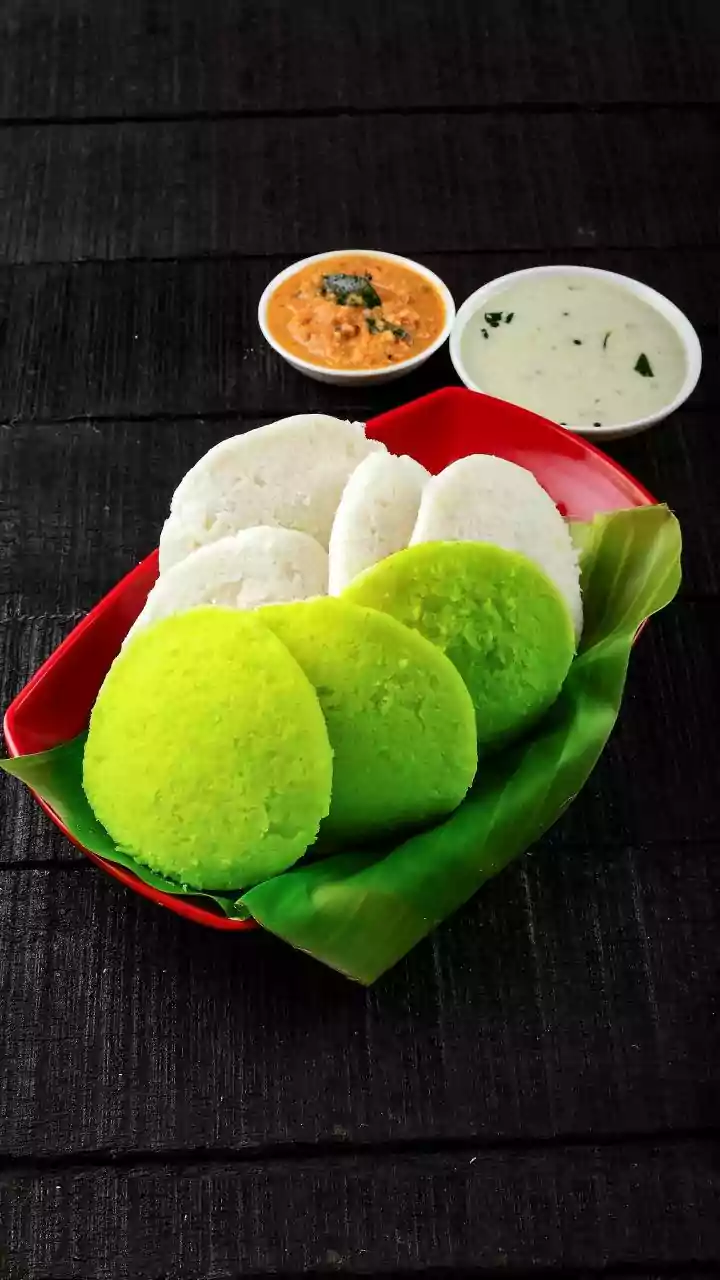
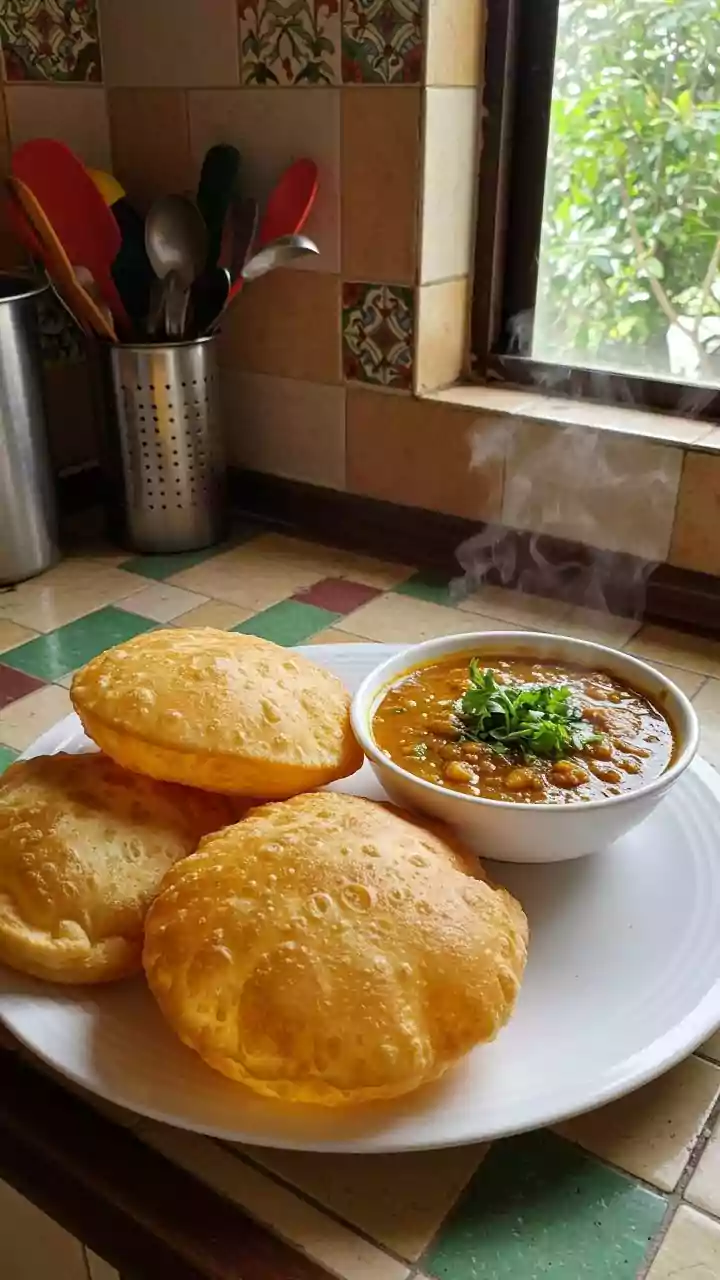
The classic Indian afternoon tea is a tableau of steaming hot masala chai served alongside an array of savoury snacks, from crispy samosas to spicy pakoras. It’s a moment of pause, a comforting ritual to bridge the gap between lunch and dinner. But in recent
years, a shift has been occurring. Driven by a growing interest in wellness and a desire for lighter, more natural options, urban Indians are reimagining this daily tradition. This has paved the way for cold brew tea, a beverage that started as a niche trend in coffee but has now found a passionate following among tea lovers. It offers a completely different sensory experience, one that is perfectly suited to India's warm climate and a modern, health-conscious lifestyle.
Why Cold Brewing Changes Everything
Unlike traditional iced tea, which is simply hot tea that has been cooled down, cold brewing is a gentle, slow-infusion process. Tea leaves are steeped in cold or room-temperature water for several hours, often overnight. This patient method fundamentally changes the flavour profile of the tea. Hot water extracts tannins more quickly, which can lead to bitterness and astringency. Cold water, on the other hand, coaxes out the more delicate, nuanced flavours of the tea leaves while leaving many of the bitter compounds behind. The result is a brew that is incredibly smooth, naturally sweeter, and often richer in antioxidants, as certain beneficial compounds are preserved at lower temperatures.
The Power Duo: Lemongrass and Tulsi
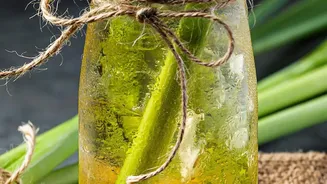
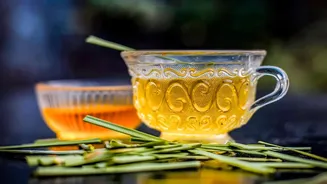
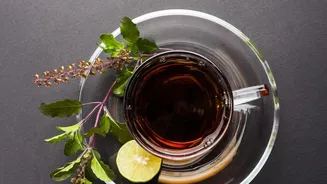
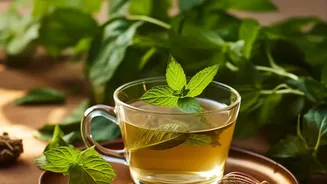
At the forefront of this cold brew revolution are two of Ayurveda's most cherished herbs: lemongrass and tulsi (Holy Basil). On its own, lemongrass imparts a bright, citrusy flavour and a refreshing aroma that can instantly calm the nerves. Tulsi offers a more complex, peppery, and earthy profile. When paired, they create a perfect harmony. The zesty notes of lemongrass lift the deep, grounding flavour of tulsi, resulting in a brew that is both invigorating and soothing. This combination is not just about taste; it is a powerhouse of wellness benefits long recognized in Indian households. The blend offers a sophisticated flavour that is complex enough to be sipped and savoured on its own, without any need for milk or sugar.
A Sip of Ayurvedic Wellness
The appeal of a lemongrass and tulsi cold brew goes far beyond its refreshing taste. It's a functional beverage that packs a significant wellness punch. Tulsi is celebrated as an adaptogen, an herb that helps the body manage stress and promotes mental clarity. It is also known to boost immunity and support respiratory health. Lemongrass is prized for its digestive benefits, helping to soothe the stomach and reduce bloating. Together, these herbs create a drink that detoxifies, calms, and supports overall well-being. In a single glass, you get a beverage that helps you hydrate, de-stress, and aid digestion—making it the ideal drink for a mindful afternoon break.
Crafting the Modern Tea Ritual
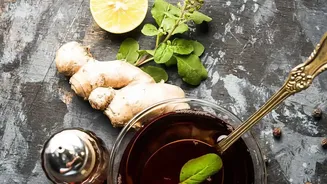
Creating your own botanical cold brew at home is surprisingly simple. All you need is a large glass jar, filtered water, and your choice of loose-leaf herbs. A good starting ratio is about two teaspoons of dried herbs per 500ml of water. Combine the lemongrass and tulsi in the jar, fill it with cold water, seal it, and let it steep in the refrigerator for 6 to 12 hours. The next day, simply strain the herbs and your brew is ready. To elevate the experience into a true modern tea ritual, serve the cold brew in a tall glass over ice with a garnish of fresh mint or a thin slice of lemon. This new ritual also invites a change in food pairings, moving away from heavy fried snacks towards lighter fare like fresh fruit salads, cucumber sandwiches, or a simple almond tea cake.