







The Unseen Enemy in Your Walls
Dampness is often misunderstood. It’s not just about a major leak or a flooded basement. More often, it's a slow, creeping issue caused by everyday life. Condensation from cooking and showering, poor ventilation, and minor, unnoticed cracks in external
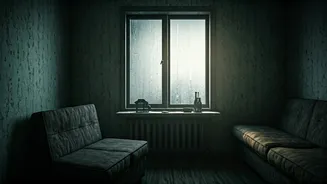
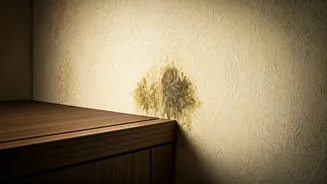
walls can all contribute to rising humidity levels indoors. This moisture gets absorbed by porous materials like drywall, wood, and plaster, creating a persistently damp environment that isn't always obvious to the naked eye. The problem often starts behind furniture or inside closets, staying hidden until significant damage has been done. The first clue might not be a visible water stain, but a faint, persistent musty smell you can't quite place.
Telltale Signs Your Decor Is Under Attack
Before you see mould, your decor will send out distress signals. Paint is often the first victim; moisture behind the wall weakens its bond, causing it to bubble, blister, or peel. Wallpaper may begin to lift at the seams. Wooden elements are also highly susceptible. Your chic wooden furniture, door frames, or window sills might start to swell, making them difficult to close or causing the wood to warp and deform. Look out for brownish or yellowish stains on walls and ceilings, which are mineral deposits left behind after water evaporates. Even your soft furnishings aren't safe—curtains and rugs in a damp room can feel clammy and develop mildew.
How Moisture Ruins Different Materials
Dampness wages war on your interiors in several ways. For walls, it leads to unsightly peeling and staining that no amount of repainting can fix until the root cause is addressed. For wooden furniture, the constant expansion and contraction from absorbing and releasing moisture can weaken joints and crack the finish. Upholstered items can harbour mould deep within their fibres, creating health risks and permanent odours. Even metal decor pieces can suffer, as high humidity accelerates rusting and corrosion. Framed art and photographs are particularly vulnerable; moisture can cause the paper to wrinkle, discolour, and develop mould, destroying cherished memories.
Your Action Plan for a Dry and Stylish Home
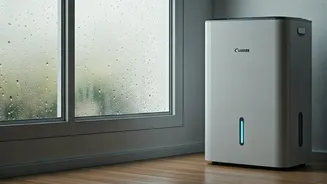
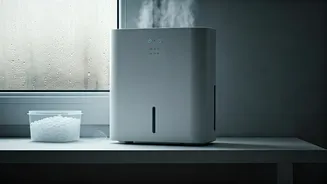
Fighting dampness is about controlling moisture at its source. Start with ventilation. Use exhaust fans in kitchens and bathrooms religiously, and whenever the weather permits, open windows to encourage cross-ventilation. For persistently humid areas, a dehumidifier is a worthwhile investment, helping to maintain an ideal indoor humidity level of 40-60%. Regularly inspect your home for leaks in the roof, around windows, and under sinks. When decorating, consider using moisture-resistant products. Many brands offer mould-resistant paints and primers that are perfect for bathrooms, kitchens, and other damp-prone zones. In closets and small spaces, natural moisture absorbers like charcoal bags or bowls of coarse salt can be surprisingly effective.
Monsoon-Proofing Your Interiors
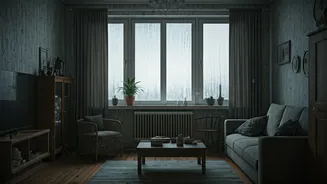
In India, the monsoon season presents a unique challenge, turning homes into humidity traps. During these months, vigilance is key. Avoid drying clothes indoors, as this releases a huge amount of moisture into the air. Keep furniture a few inches away from walls to allow air to circulate and prevent moisture from getting trapped. Regularly check external walls for signs of water seepage and address any cracks before the rains intensify. This is also the prime season for using dehumidifiers and moisture absorbers to keep the indoor environment stable. A few simple, proactive steps can ensure your home remains a dry, healthy, and beautiful sanctuary throughout the rainy season.