




The Urban Kingdom of UPI
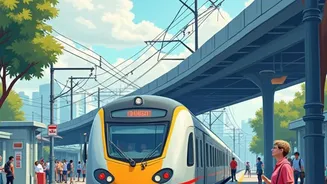
In India's metropolitan cities like Delhi, Mumbai, and Bengaluru, the digital payment revolution is not just a headline; it's a way of life. The Unified Payments Interface (UPI) has transformed daily commerce into a seamless, cashless affair. From paying
for your morning chai at a roadside stall to splitting a dinner bill with friends or hailing an auto-rickshaw, a quick scan of a QR code is all it takes. This convenience has made carrying physical wallets almost redundant for many urban dwellers. Major establishments, including hotels, upscale restaurants, and shopping malls, also readily accept credit and debit cards, making for a frictionless payment experience. The infrastructure is robust, connectivity is rarely an issue, and merchants have enthusiastically adopted these new technologies. In the city, going digital is not just an option; it's the default.
The Hill Station Reality Check
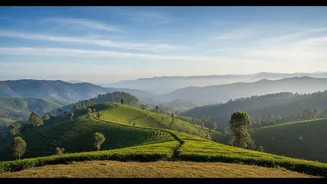
As you ascend into the mountains, the payment landscape begins to change. While it's now common to see QR code stickers even in small shops in tourist towns, their reliability can be a gamble. The biggest challenge in hill stations and other remote tourist destinations is connectivity. Patchy mobile networks and frequent internet disruptions mean digital transactions can fail, leaving both you and the merchant in a lurch. Electricity can also be less reliable, rendering card machines and digital payment systems temporarily useless. Many small business owners in these areas—local artisans, small eatery owners, and independent taxi drivers—still prefer cash because it's immediate and avoids the uncertainties of digital infrastructure. While UPI has made impressive inroads, its functionality in the hills is often at the mercy of the local network signal.
The Role of Credit and Debit Cards
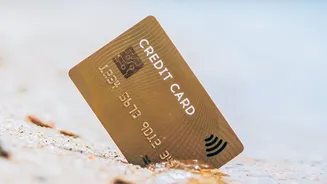
Credit and debit cards occupy a middle ground. In metros and larger towns, they are widely accepted, especially for bigger-ticket items at organised retailers, hotels, and established restaurants. Visa and Mastercard are the most common networks, with Amex and Diners Club having more limited acceptance. As you move towards smaller towns and hill stations, the number of establishments with functional card machines decreases. Cards are excellent for booking hotels and paying for meals at larger resorts but are less likely to be accepted at a local dhaba or for a souvenir purchase in a small market. It’s also wise to inform your bank about your travel plans to avoid your card being blocked for suspicious activity. While useful, relying solely on plastic is not a foolproof strategy, especially outside major urban centres.
Why Cash is Still the Ultimate Backup
Despite the digital surge, cash remains the most universally accepted and reliable payment method across India. In rural areas and remote locations, it's not just a backup; it's often the only option. Even in cities, it's indispensable for small, everyday transactions where a vendor might not have change or prefer not to use digital methods for tiny amounts. When travelling to a hill station, carrying a sufficient amount of cash is non-negotiable. It ensures you can pay for local transport, enjoy street food, buy from local markets, and handle any emergency without being dependent on network connectivity or electricity. Think of it as your financial safety net—the one payment method that works everywhere, every time, no questions asked.