



The Two-Sided Coin of Forest Cover
On the surface, reports like the India State of Forest Report (ISFR) paint a positive picture, showing a marginal increase in the nation's total forest and tree cover to nearly 25% of its geographical area. This growth is often cited as a key achievement.
However, a closer look reveals a more complicated reality. The gains are primarily in 'very dense' forests and tree cover outside recorded forest areas, which can include commercial plantations. Critically, these numbers mask the degradation of 'moderately dense' or natural forests, which have seen a decline. Furthermore, India’s vital Northeast, which holds a significant portion of the country's forest cover, has consistently reported a net loss in recent years, raising alarms among ecologists.
Success Story: The Roar of the Tiger
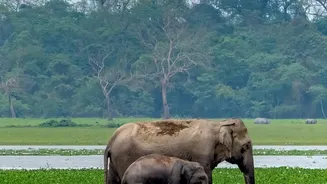
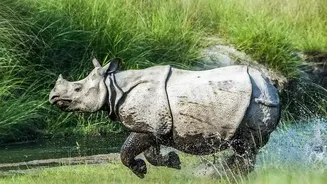
India's most celebrated conservation priority is undoubtedly the protection of its iconic megafauna, particularly the tiger. Project Tiger, marking 50 years of operation, has been a remarkable success. The latest tiger census data from 2022 confirmed a population of 3,682 tigers, continuing a steady upward trend and meaning India is now home to about 75% of the world's wild tigers. This success is a testament to dedicated efforts in creating and managing tiger reserves, which have seen an increase in forest cover within their corridors. The focus on such 'anchor species' is a cornerstone of India's strategy, with the idea that protecting the tiger and its habitat creates an umbrella of protection for hundreds of other species and vast carbon stocks.
The Persistent Crisis of Air and Water
While wildlife conservation grabs headlines, reports consistently identify pollution as a systemic failure. India remains one of the most polluted countries globally, with dozens of its cities featuring in the lists of the world's worst for air quality. According to the World Air Quality Report, India's average PM2.5 concentration is nearly ten times the WHO's guideline. This has severe public health consequences, with studies linking air pollution to millions of premature deaths and a significant reduction in life expectancy for the average citizen. The water crisis is equally dire. Reports from bodies like NITI Aayog highlight that hundreds of millions of Indians face high to extreme water stress. The crisis is driven by a combination of groundwater over-extraction, pollution of surface water bodies, and inefficient management, leaving the country in a precarious position regarding water security.
The Unseen Challenge: Systemic Threats
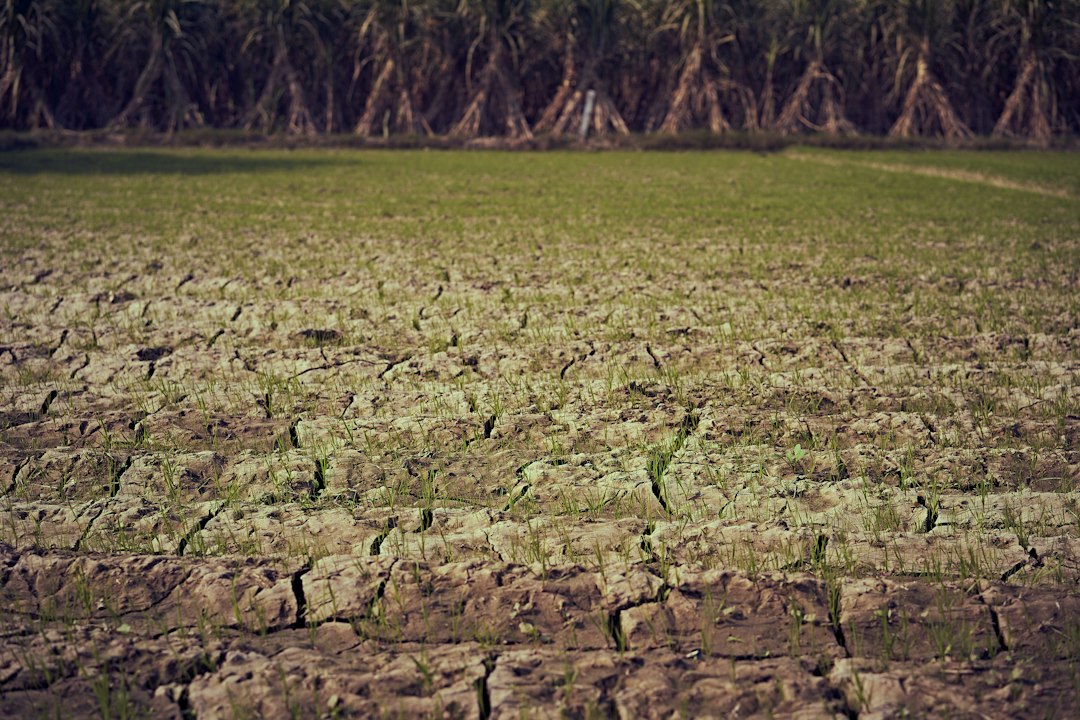
Beyond specific metrics, comprehensive analyses like the Centre for Science and Environment's 'State of India's Environment' report point to broader, systemic threats. One of the most significant is the increasing frequency and intensity of extreme weather events. In 2025, India experienced extreme weather on nearly 99% of the days from January to November, resulting in thousands of deaths and massive crop damage. These events are linked to a warming climate and are exacerbating issues like floods and droughts. Another major challenge is waste management. The country generates millions of tonnes of plastic waste annually, and despite a relatively high recycling rate compared to the global average, a significant amount remains uncollected, polluting land and water. Bans on single-use plastics have proven difficult to enforce, highlighting a gap between policy creation and on-ground implementation.