




Decoding 'Extra Windows': The Special Trains
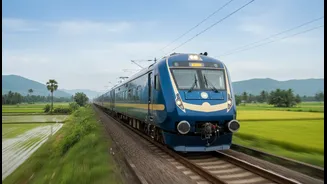
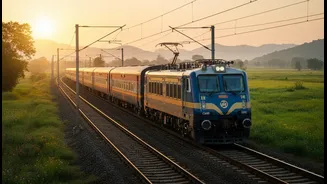
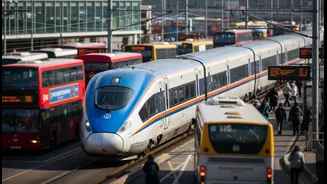
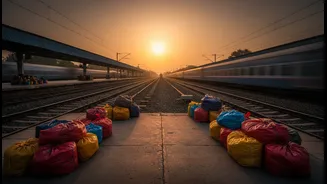
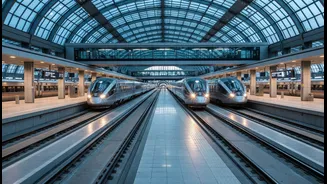
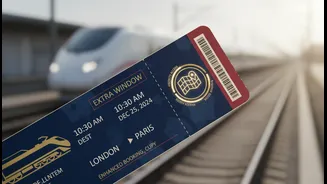
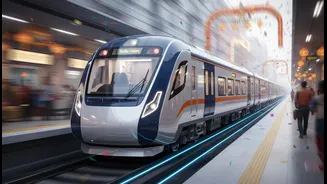
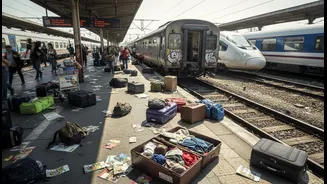
The term 'extra windows' primarily refers to the special train services operated by Indian Railways to handle the massive surge in passenger traffic during peak periods. These include major festivals like Diwali, Holi, and Chhath Puja, as well as the summer
and winter holiday seasons. For instance, in July 2026, the Railway Minister announced over 300 special trains for the Jagannath Rath Yatra and another 100 for the Onam festival in Kerala. These trains are not part of the regular schedule and are announced specifically to clear the extra rush, providing an additional opportunity for travellers to find a confirmed seat when all regular trains are fully booked. They are essentially 'trains on demand' deployed on high-traffic routes where the need is greatest.
The Real Cost: Special Fares Explained
While these special trains are a lifeline for many, they come at a different price point. It's a common misconception that they are a cheaper alternative. Most of these services operate as 'Special Fare' trains, meaning the ticket prices are higher than those of regular Mail/Express trains. The fare for reserved classes on these trains can be 10-30% higher than the normal base fare. Some premium special trains even use a dynamic pricing model, similar to airlines, where the fare increases as more seats are booked. Despite the higher cost, booking a seat on a special train can still be more economical than resorting to last-minute flights or paying exorbitant prices for bus tickets during peak demand. It offers a middle path between the sold-out regular trains and other expensive travel modes.
Your Strategy for Snagging a Ticket
Securing a ticket on a special train requires proactive planning. Announcements are often made just a few weeks or even days before the journey date. To stay ahead, you must regularly monitor official sources. The best places to look for announcements are the Indian Railways website (indianrailways.gov.in), the IRCTC portal, the National Train Enquiry System (NTES), and the official social media accounts of the Ministry of Railways and zonal railways. Setting up news alerts for terms like "special train" can also be highly effective. Once a train is announced, be ready to book immediately, as seats fill up within minutes.
Tips for a Successful Booking
When the booking window opens, speed is of the essence. Tickets for these trains can only be booked online through the IRCTC website or app. To save crucial time, use the 'Master List' feature on your IRCTC account to pre-fill passenger details. Ensure your account is active and you have multiple payment options like UPI or an e-wallet ready for a quick checkout. Unlike regular trains, many special services do not have quotas like Tatkal or Ladies, and concessions are often not applicable, so everyone pays the full special fare. Remember that agents are typically not allowed to book tickets for these premium special trains, so you must book them yourself.
Comparing Your Options: Special vs. Tatkal
It's helpful to understand how special trains fit into the broader booking landscape. The standard booking window opens 120 days in advance. For last-minute plans, the Tatkal and Premium Tatkal quotas open one day before departure, at 10 AM for AC classes and 11 AM for non-AC. Tatkal has a fixed extra charge, while Premium Tatkal uses dynamic pricing and can be significantly more expensive. Special trains act as a supplementary option. Their fares are often comparable to Tatkal prices but offer the advantage of being bookable further in advance than the one-day Tatkal window, providing a better chance to plan your trip without waiting until the last minute.