

Understanding Winter’s Challenge
The primary challenges for potted herbs during Indian winters are reduced sunlight, colder temperatures, and changes in humidity. Shorter days mean less light for photosynthesis, which is how plants create energy. Growth naturally slows down. The biggest
mistake many home gardeners make is overwatering. In cooler weather, soil stays wet longer, and excess water can lead to root rot, the most common cause of plant death in winter. Tulsi, in particular, is a tropical plant that dislikes the cold and can be damaged by frost and chilly drafts.
The Sunlight Strategy
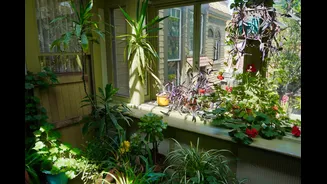
Sunlight is your most valuable resource in winter. Most herbs need at least four to six hours of light daily. Identify the sunniest windowsill in your home—this is usually a south-facing one—and move your pots there. To ensure all parts of the plant receive light, rotate the pots every few days. If your home receives very little direct sun, especially in North Indian regions prone to fog, you might notice plants becoming 'leggy' or weak. While not essential for everyone, a simple grow light can make a significant difference.
Watering Wisely: Less Is More
Adjust your watering schedule significantly. In winter, plants need much less water. Before watering, always check the soil. A simple test is to dip your finger about an inch into the pot. If the soil feels dry, it's time to water; if it's damp, wait another day or two. This practice helps prevent root rot. Always use water at room temperature, as very cold water can shock the plant's roots. Ensure your pots have excellent drainage holes so excess water can escape freely.
Special Care for Tulsi
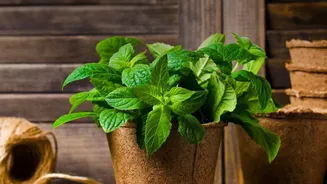
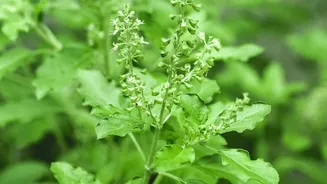
Tulsi is particularly sensitive to the cold. It thrives in warmth, so protecting it from cold drafts is crucial. Move the pot away from the window pane at night if it gets very cold. While it needs sunlight during the day, it must be shielded from frost and harsh winds. Overwatering is a major threat to tulsi in winter. Water only when the topsoil is completely dry. Pruning should be minimal; just remove any dry leaves and spent flowers (manjiri) to encourage leafy growth and prevent the plant from completing its life cycle. Fertilizing should also be reduced, perhaps to a diluted organic liquid feed once a month.
Keeping Mint Happy
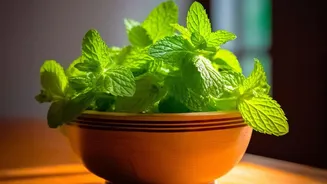
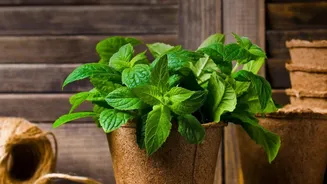
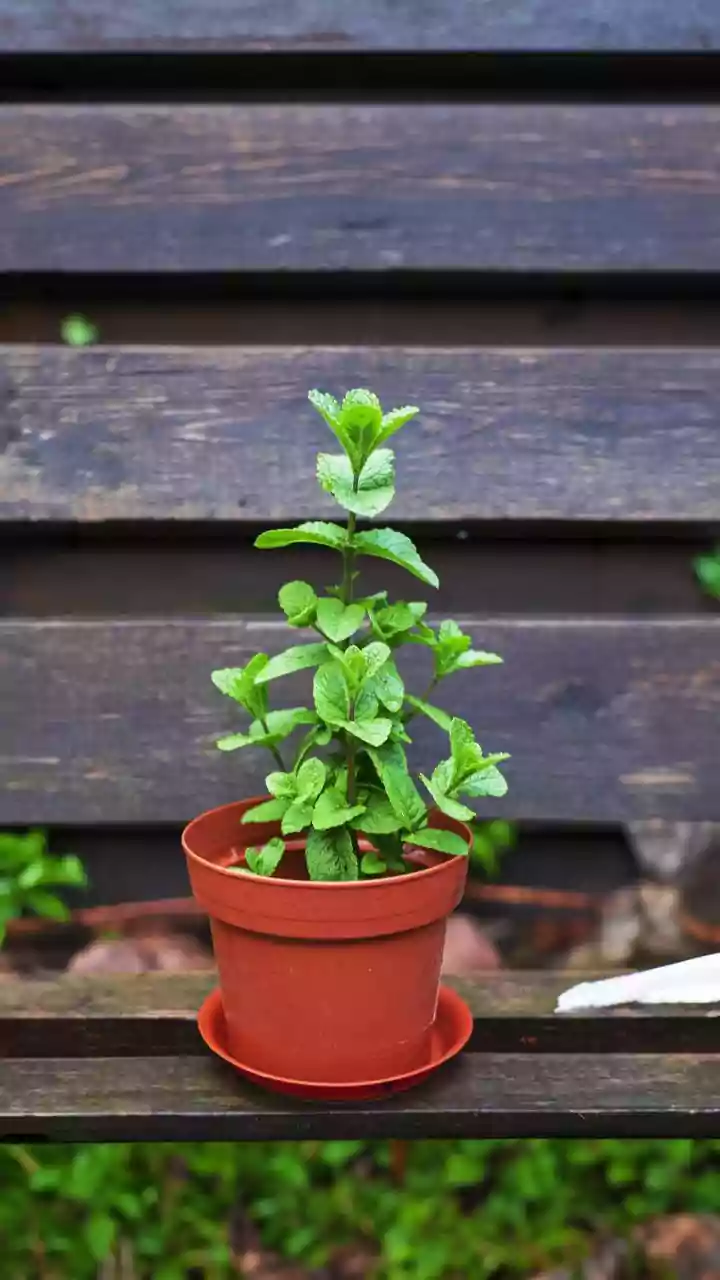
Mint is a hardy perennial and generally resilient, but potted mint requires some attention. It prefers consistently moist soil, but like other herbs, is prone to root rot if overwatered in winter. Reduce watering frequency, letting the top inch of soil dry out. Mint can tolerate partial shade better than many herbs, but it still needs a few hours of light to stay bushy and aromatic. Before winter sets in, you can prune the plant back to encourage fresh, compact growth. If stems become long and sparse, it's a sign it needs more light.
Coriander (Dhaniya) Tips
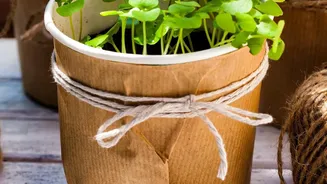
Coriander actually loves cool weather and is considered a winter-friendly herb in many parts of India. However, it dislikes being transplanted, so it's best to sow seeds directly into the pot you plan to use. For windowsill pots, ensure it gets around 4-6 hours of sunlight. The key to preventing coriander from 'bolting' (flowering prematurely) is to keep the soil consistently moist but not waterlogged. Dry soil can stress the plant and trigger flowering, which stops leaf production. Harvest the outer leaves regularly to encourage the plant to produce more foliage.
Pest and Disease Management
Indoor plants can sometimes attract pests like aphids and spider mites, especially when the air is dry from heaters. Regularly inspect the undersides of leaves for any signs of trouble. A simple spray of neem oil solution is an effective organic way to manage most common pests. Ensuring good air circulation around your plants can also help prevent fungal issues that thrive in damp, stagnant conditions.