





Why the Goan Dream is Now a Reality
The post-pandemic embrace of remote and hybrid work has fundamentally changed India's professional landscape. No longer tethered to office desks in metro cities, a wave of digital nomads, freelancers, and corporate employees are seeking a better quality
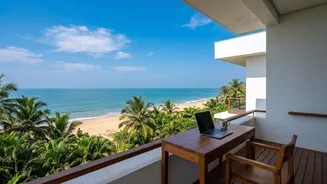
of life. Goa has emerged as the epicentre of this movement. The state offers a unique combination of 'susegad'—a local concept of relaxed, leisurely living—with a rapidly developing infrastructure catering to remote workers. From reliable internet in key areas to a vibrant community of like-minded individuals, Goa provides a compelling alternative to the urban grind, blending productivity with genuine well-being.
North vs. South: Choose Your Style
The first decision any aspiring Goa remote worker must make is choosing between its two distinct districts. North Goa is the energetic, social hub. Areas like Anjuna, Vagator, Assagao, and Morjim are teeming with trendy cafes, bustling co-working spaces, and a strong sense of community. It's the place to be if you thrive on social energy, networking opportunities, and having endless dining and nightlife options at your doorstep. In contrast, South Goa is the state's tranquil heartland. Beaches like Palolem, Agonda, and Colva are known for their pristine beauty, quieter atmosphere, and slower pace of life. It’s the ideal choice for those who want to disconnect, focus deeply on their work, and enjoy nature without the crowds. While the South has fewer dedicated co-working spaces, it offers unparalleled peace.
North Goa: Hubs for the Connected Creative
For those who need to stay connected, North Goa is the undisputed champion. Assagao has become a prime location, offering a perfect blend of quiet, leafy lanes and a high concentration of work-friendly cafes and creative communities. Nearby Anjuna and Vagator are famous for their vibrant, bohemian energy, attracting freelancers and entrepreneurs to spots like Artjuna and Babka, which offer reliable Wi-Fi alongside great food. Morjim and Ashwem are popular with international and long-stay nomads, offering beautiful beaches and a slightly more relaxed vibe than the Anjuna-Baga belt. Panjim, the state's capital, provides the most reliable infrastructure, making it a solid choice for professionals who need stable, high-speed internet for video conferences and demanding tasks.
South Goa: Havens for Deep Work and Serenity
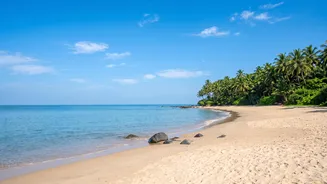
If your primary goal is to escape the noise, South Goa is your sanctuary. Palolem, with its stunning crescent-shaped beach, is perfect for long, relaxed stays where the focus is on a healthy work-life balance. Agonda offers even more seclusion and is known for its protected turtle-nesting sites and an atmosphere of profound quiet, making it ideal for writers, researchers, or anyone needing deep concentration. While the cafe and co-working scene is less developed here, many guesthouses and long-term rentals now offer reliable Wi-Fi. The trade-off is simple: you exchange the North's social buzz for the South's serene, uncluttered beauty and a more affordable cost of living.
The Practicalities of Paradise
Making the move requires some planning. Accommodation is the biggest variable in your budget. In North Goa, a decent one-bedroom apartment can range from ₹25,000 to ₹45,000 per month, while similar options in the South can be found for ₹15,000 to ₹25,000. Many remote workers find surprisingly affordable setups, with some sharing villas and spending around ₹15,000 on rent. A scooter is essential for getting around, typically costing ₹3,500 to ₹5,000 per month for a rental. While cafes with good Wi-Fi are plentiful in the north, it's always wise to confirm internet reliability with your landlord before signing a lease, especially if your work depends on stable video calls. Cooking at home can keep food costs down to around ₹6,000-₹8,000 a month, a stark contrast to the cafe lifestyle which can easily cost ₹15,000 or more.