



The Expanding World of Indian Tea
For generations, a robust cup of masala chai has been the nation's default brew. But today, the Indian tea landscape is blossoming. From delicate Darjeeling first flush to earthy Assam single malts and floral Nilgiri varieties, a new world of specialty
teas is now at our fingertips. This exciting variety brings new flavours and experiences, but also new questions. Moving beyond your standard blend means becoming a more conscious consumer. The first step is understanding what is actually in your cup, starting with two of the most important components: caffeine and sugar.
Decoding Your Daily Caffeine Intake
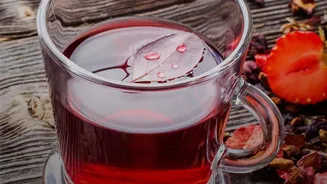
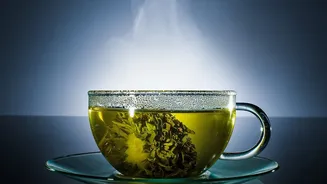
Caffeine is a natural stimulant found in the tea plant, Camellia sinensis. The amount in your cup, however, is not a simple matter. It's influenced by the type of tea, how it's processed, and how you brew it. Generally, black teas have the highest caffeine content, followed by oolong, green, and then white teas. A typical 8-ounce cup of black tea may contain 40-70 mg of caffeine, while green tea has around 20-45 mg. Contrary to popular belief, the colour and flavour are not perfect indicators of caffeine strength. Some delicate-tasting white teas can have more caffeine than you'd expect, and a strongly brewed green tea can have more punch than a lightly steeped black tea. Matcha, a powdered green tea where you consume the whole leaf, is a caffeine powerhouse, sometimes containing as much as a cup of coffee. On the other end of the spectrum, herbal teas or 'tisanes'—like chamomile, peppermint, and hibiscus—are made from herbs, flowers, and fruits, and are naturally caffeine-free.
Match Your Tea to the Moment
Understanding caffeine levels allows you to tailor your tea drinking to your day. Need a strong start to your morning? A robust Assam black tea or a bowl of matcha could be the perfect coffee alternative. Looking for a gentle afternoon lift without the jitters? A green or oolong tea is an excellent choice. Tea contains an amino acid called L-theanine, which works with caffeine to create a state of calm alertness, avoiding the sharp spike and crash often associated with coffee. As evening approaches, switching to a naturally caffeine-free herbal tea like chamomile or rooibos can help you wind down and prepare for a restful night's sleep. Even 'decaffeinated' black or green teas contain trace amounts of caffeine, so a true herbal tisane is the best option if you're avoiding it completely.
The Hidden Sweetness Trap
Many of the alluring specialty teas on the market, especially iced teas and fancy blends, come with a hidden downside: added sugar. While pure, unadulterated tea has no sugar, many commercially prepared beverages and flavoured loose-leaf blends are packed with sweeteners. Reading the ingredients list is crucial. Look for words like sucrose, glucose, high-fructose corn syrup, cane juice, or ingredients ending in '-ose', as these are all forms of added sugar. Even seemingly healthy options like fruit-flavoured green teas can have significant amounts of sugar or artificial sweeteners. These additions can mask the tea's natural flavour and add unnecessary calories. When buying flavoured teas, look for those that use real fruit pieces, spices, and botanicals for aroma and taste, rather than 'natural and artificial flavours' which can be a cover for sweeteners.
How to Be a Smarter Tea Shopper
Armed with this knowledge, you can approach specialty tea shopping with confidence. Start by deciding if you want a caffeinated or caffeine-free beverage. If you're exploring teas from the Camellia sinensis plant, be mindful of the type and its general caffeine range. When considering flavoured or blended teas, always check the ingredient list for added sugars and sweeteners. Don't be afraid to ask questions, whether you're at a dedicated tea shop or buying online. Reputable sellers should be able to tell you about the tea's origin, processing, and flavour profile. Whenever possible, buy small samples to try before committing to a larger quantity. This allows you to explore different tastes without a major investment. Prioritising high-quality, whole-leaf teas will often provide a more complex and satisfying flavour, reducing the desire for added sweetness.