




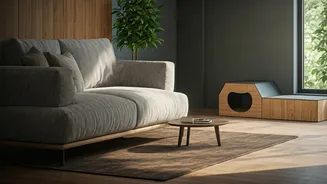


From Gadgets to Ambiance
Remember the era of the home theatre room? Giant recliners, a massive projector screen, and speakers that could shake the foundations. It was a status symbol built on hardware. That approach is starting to feel dated. The new aspiration isn't about owning
a collection of impressive gadgets; it's about curating an environment. The focus has shifted from conspicuous consumption to conspicuous curation. Instead of asking, 'How big is your screen?' the new question is, 'How does your home make you feel?' This transition marks a deeper understanding of technology's role in our lives. It’s no longer about simply automating tasks, but about enhancing our well-being and creating a sanctuary that is uniquely ours.
The Anatomy of a Personalised Space
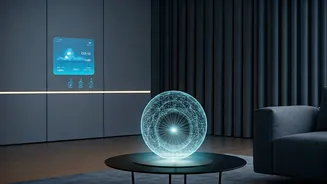
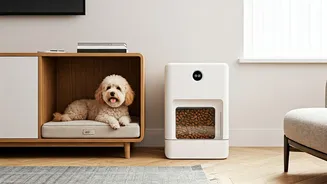
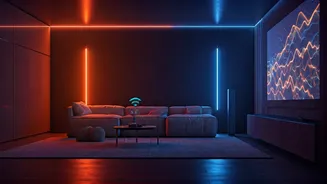
So, what does a 'personalised space' actually look like? It's less about a single device and more about an integrated ecosystem. Imagine waking up not to a jarring alarm, but to your blinds slowly rising to let in the morning sun, while your favourite calming playlist gently fades in. The lights in your bathroom automatically adjust to a soft, warm glow, and the coffee machine in the kitchen starts brewing your morning espresso. As you move from room to room, the music follows you seamlessly. This is the world of ambient computing—where technology is woven into the fabric of your home, working in the background to create perfect moments. It’s a system that anticipates your needs based on the time of day, your presence in a room, or even your biometric data.
The Invisible 'Wow' Factor
The ultimate flex in this new paradigm is technology that you don't even see. The 'wow' factor comes from the seamlessness of the experience, not the visibility of the hardware. Think speakers plastered invisibly into your walls, delivering crystal-clear audio that seems to emanate from nowhere. Or smart glass windows that can turn from transparent to opaque with a simple voice command, providing instant privacy. The control panel isn't a mess of remotes on the coffee table; it's a clean, minimalist keypad on the wall or an intuitive app that controls lighting, climate, security, and entertainment. This subtlety is the point. It suggests a level of design and planning that goes far beyond just buying the latest gadget off the shelf. It’s a quiet confidence that says the technology serves the home, not the other way around.
More Than Just Convenience
While convenience is a major benefit, the drive towards personalised spaces is rooted in something deeper: a desire for control over our personal environment and a focus on wellness. A home that adjusts its lighting to match your natural circadian rhythm can improve your sleep. A climate control system that maintains the perfect temperature and air quality can boost your health and focus. In a world that often feels chaotic and overwhelming, having a home that acts as a responsive, calming sanctuary is the ultimate luxury. It’s a flex of taste, foresight, and an investment in your own well-being. This demonstrates a shift in values from material wealth to experiential wealth, where the quality of one's daily life is the most important asset.
The Trend in India
This global trend is finding unique expression in modern Indian homes. For luxury apartments and villas in metro cities, integrated automation is becoming a standard offering. Architects and interior designers are increasingly working with tech integrators from the very beginning of a project. The focus is on creating multi-functional spaces that can adapt to the needs of a multi-generational family—a living room that can transform from a family movie den to a sophisticated space for entertaining with a single command. The aesthetic often blends traditional Indian design elements with discreet, cutting-edge technology, proving that a smart home doesn't have to look like a spaceship. It can be warm, inviting, and deeply personal.